
How Residents Shape the Atmosphere of a Neighborhood: How to Know
When we choose a new neighborhood to live in, our choice is most often based on such obvious factors as the price of real estate, transport accessibility, the presence of schools, shops, and parks. However, one of the most important elements that directly affects the quality of life often remains behind the scenes – these are the people who live next door.
Why Neighbors Are More Important Than It Seems
You may have heard the expression: “A house is not its walls, but its people.” And this is true not only for the family, but also for the environment we live in. Friendly neighbors, well-kept entrances, active home chats, and events in the yard – all this forms the atmosphere of the neighborhood, which cannot be measured by standard characteristics on real estate websites.
Psychologists and sociologists have long said that the community has a strong influence on everyday mood, stress levels, and even our health. Living near friendly, helpful people, feeling like part of a community, means living in greater safety and harmony.
Why Active Residents Make Neighborhoods Cleaner, Safer, and More Valuable
Neighborhoods with active residents are usually distinguished by cleanliness, well-maintained territory and even higher housing prices. Why? Because such residents not only consume the services of the neighborhood, but also invest in it. They organize cleanup days, maintain order, participate in HOA meetings, communicate with the administration, discuss problems, and work towards improvements.
At the same time, in neighborhoods with indifferent residents or areas where short-term rentals prevail, a different picture can be observed: garbage on the lawns, noisy parties in the courtyards, and frequent conflicts, as noted by thejournaldaily. Such places quickly lose their appeal, and housing prices can fall.
How to Understand In Advance Who Lives in the Neighborhood?
One of the most difficult issues when choosing an apartment is the unknown. You can evaluate a house, you can count the minutes to the metro, but how do you know who your neighbor will be next door or what kind of people live on the neighboring streets?
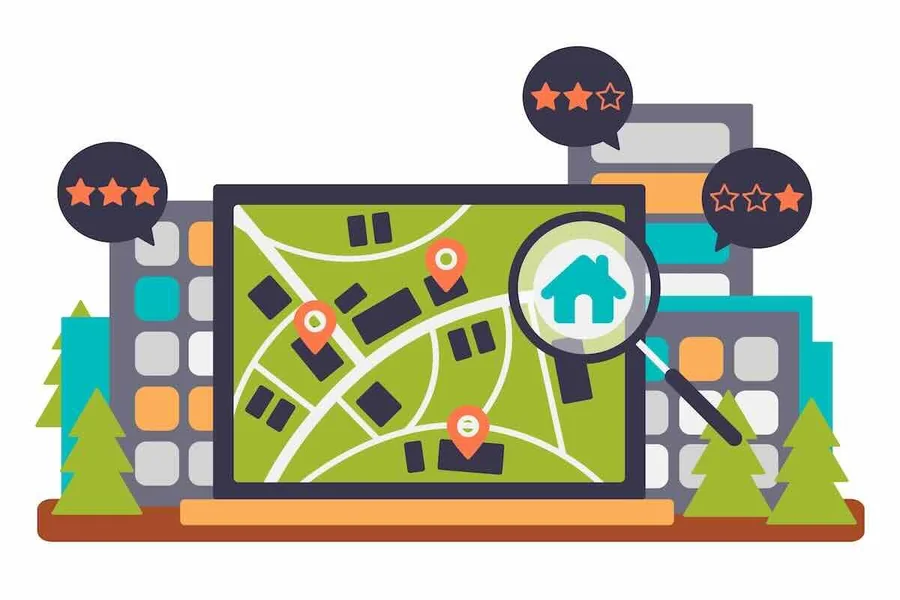
And this is where modern digital solutions come to the rescue. Neighbor.Report is a service that helps you learn more about a neighborhood from the point of view of real people. It analyzes data on the population, income level, lifestyle, interests, and even political views of residents. This is not just dry statistics – it is a detailed portrait of the neighborhood through the eyes of those who live there.
With the help of the platform, you can:
- Find out what professions are prevalent among residents
- Evaluate the general level of education
- See how active the community is
- Compare neighborhoods with each other by a number of criteria
- Get a forecast of the level of comfort of life in a particular place
This way, you can understand in advance whether the neighborhood is suitable for you in spirit. After all, silence and privacy are important to someone, and someone is looking for a place with an active social life and a family atmosphere.
How the Neighborhood Atmosphere Affects Everyday Life
Choosing a neighborhood is not just choosing a location, and it is choosing a lifestyle. The atmosphere affects a lot: will you feel safe, will you be able to let your children go for a walk without fear, will it be pleasant to come home in the evenings?
Research shows that neighborhoods with strong social capital, that is, with a high level of trust between residents, have lower crime rates, higher life expectancy, and even fewer cases of depression. This is not surprising: the support and involvement of neighbors create a sense of belonging, and therefore, inner peace.
What to Do If You Already Live in a Neighborhood with a “Bad” Atmosphere?
We do not always have the opportunity to choose. But even if you find yourself in a neighborhood where residents are not very active, everything can change. Often, one proactive person is enough to move the situation forward. Create a chat at home, offer to hold a cleanup day, or organize a mini-festival in the yard, and gradually, a sense of unity will emerge.
A good area is not only infrastructure and square meters. It is, first of all, the people who are nearby. Their attitude to the space, to neighbors, to life-forms that very “spirit of the wfo maximus place”, which is difficult to describe in words, but which is felt from the first minutes.