

Affordable Soil Tipping Fees in Sydney: Understanding the Costs & Regulations
Soil tipping fees are charges applied for the disposal of soil waste at landfills or treatment facilities. These fees help cover operational costs, ensure compliance with environmental regulations, and encourage sustainable soil management practices, particularly in construction and landscaping projects.
Sydney, as a major Australian city, plays a vital role in shaping industry standards for waste management, making knowledge of soil tipping fees Sydney essential for contractors, businesses, and residents involved in the growing construction sector and urban development projects.
What Are Soil Tipping Fees?
A soil tipping fee is a charge levied for disposing of contaminated or clean soil at licensed landfills or soil treatment facilities. These fees cover costs associated with the collection, transportation, processing, and safe management of soil to prevent environmental contamination.
Soil tipping fees exist because handling and disposing of soil requires resources, labour, and infrastructure. Fees account for operational costs such as transportation, equipment maintenance, treatment processes, and regulatory compliance. They also incentivise responsible disposal, recycling, and soil reuse practices.
Several factors determine Sydney’s soil tipping fees, including transportation distance, fuel costs, landfill capacity, contamination levels, and regulatory compliance. Limited landfill capacity may drive up disposal costs. Regulatory compliance, soil type, contamination levels, market demand for recycled soil, and economic conditions all play important roles. Understanding these factors helps businesses plan budgets and manage disposal costs efficiently.
Affordability of Soil Tipping Fees in Sydney
When compared to other Australian cities, Sydney’s soil tipping fees can be higher due to urban density, stricter environmental regulations, and higher operational costs. Cities with more landfill capacity or lower compliance requirements may offer cheaper disposal options. Evaluating fees across regions helps contractors and developers make informed decisions when planning projects.
A clear breakdown of soil tipping fees includes gate or tipping charges at landfills, transportation and handling costs, processing or treatment fees for contaminated soil, and administrative or compliance charges. Understanding the detailed cost components allows project managers to budget effectively and identify opportunities for savings.
To maintain affordability, planning soil disposal in bulk can reduce repeated transportation costs. Exploring local soil recycling programs for reuse in landscaping or construction minimises landfill dependence. Regularly reviewing landfill options and ensuring compliance with regulations helps avoid fines and additional expenses. These strategies support cost management while promoting environmentally responsible disposal.
Regulatory Framework Governing Soil Tipping in Sydney
Soil tipping in Sydney is governed by local councils, the New South Wales Environment Protection Authority (EPA), and relevant waste management legislation. These authorities ensure safe disposal practices, protect public health, and promote sustainable soil management.
Regulations directly affect soil tipping fees by setting standards for soil testing, contamination management, and disposal procedures. Stricter environmental laws can increase operational costs, which are reflected in higher tipping fees. Adhering to these standards ensures long-term ecological protection and legal compliance.
The NSW government continues to update waste management regulations, emphasising recycling, soil reuse, and sustainable construction practices. Recent changes include increased monitoring of contaminated soil and stricter landfill acceptance criteria. Staying informed about these updates helps businesses avoid fines and optimise disposal strategies effectively.
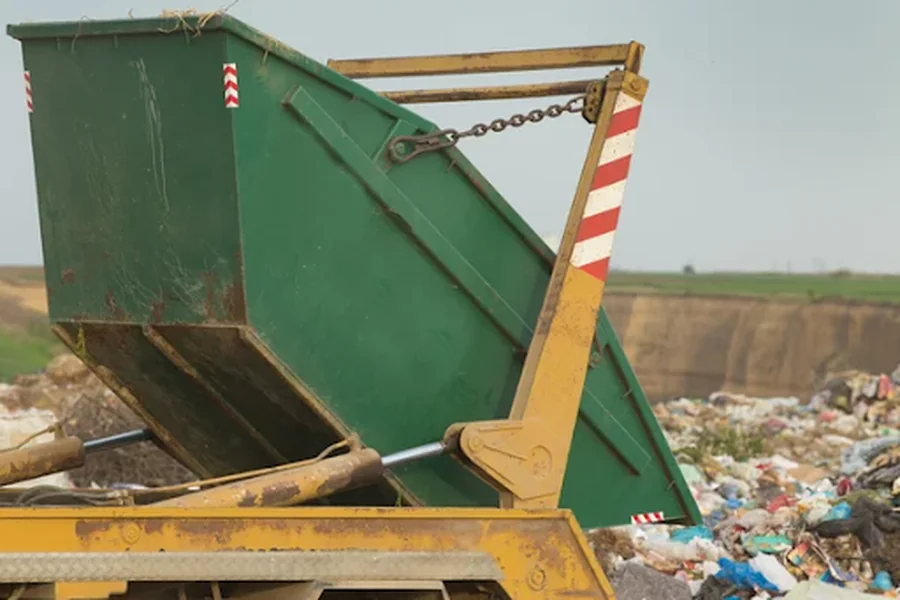
Ways to Reduce Soil Tipping Fees
Efficient soil management starts with planning and adopting sustainable disposal methods. Segregating contaminated soil from clean soil, using licensed transporters and treatment facilities, and reusing excavated soil in landscaping or construction projects reduces environmental impact and lowers costs while ensuring regulatory compliance.
Recycling and reusing soil also enhances affordability while supporting sustainability. Recycled soil can be applied in gardens, parks, and construction backfill, reducing landfill dependence and minimising tipping fees. Such practices also improve soil health, support biodiversity, and contribute to sustainable urban development.
Leveraging modern technology improves soil management efficiency. Soil testing kits, GPS tracking for transportation, and automated waste management software optimise operations, reduce errors, and streamline compliance. Adopting innovative solutions saves costs and supports long-term sustainability goals.
Conclusion
Soil tipping fees in Sydney are a critical aspect of responsible waste management and environmental protection. Understanding the factors influencing fees, staying updated on regulations, and implementing best practices for disposal help businesses and residents manage costs efficiently.
Recycling and reusing soil, coupled with modern technology and innovative methods, enhances affordability while promoting sustainability. Compliance with local regulations ensures safe disposal, protects the environment, and maintains community trust.
Leave a Reply
You must be logged in to post a comment.