
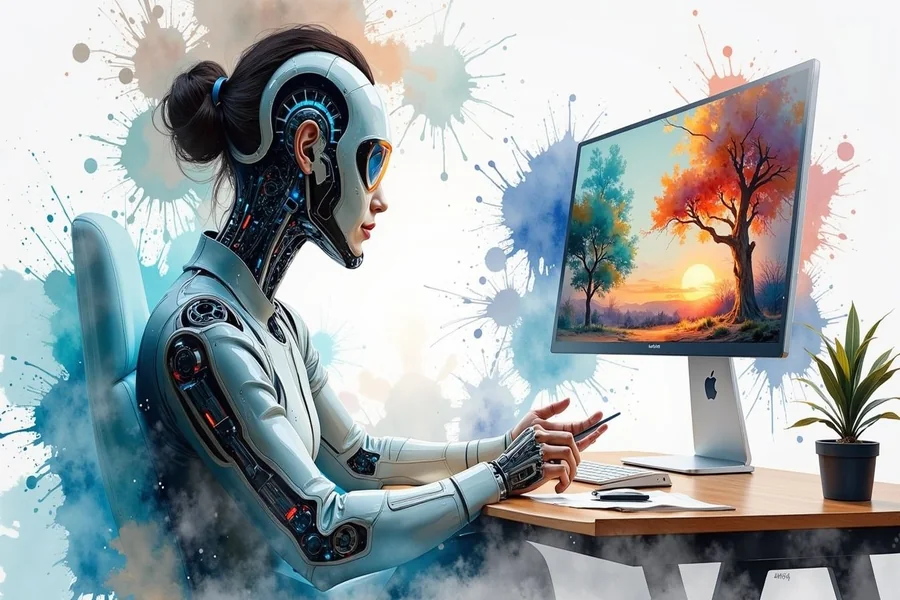
AI Avatars and the Democratization of Video Production
The world of video production is undergoing a massive transformation. What was once a resource-intensive, time-consuming, and highly specialized process is now accessible to virtually anyone with a laptop and internet connection. At the heart of this revolution are AI avatars—realistic, human-like digital presenters powered by artificial intelligence.
These digital avatars are more than just technological novelties. They are reshaping how businesses, educators, marketers, and creators communicate with audiences. From eliminating the need for cameras and studios to making multilingual video content possible in minutes, AI avatars are driving the democratization of video production in ways never seen before.
The Traditional Challenges of Video Production
Before diving into the impact of AI avatars, it’s important to understand the hurdles involved in traditional video production:
1. High Cost
Hiring actors, scriptwriters, directors, editors, and renting studios racks up costs quickly. For small businesses or solo entrepreneurs, this makes high-quality video content unattainable.
2. Time-Intensive
Producing a professional video often takes days or weeks. Pre-production planning, shooting, editing, and revisions consume valuable time, slowing down communication and content delivery.
3. Language Limitations
Reaching global audiences with multilingual videos requires additional voice-over artists or reshoots, leading to further expenses and logistical complexity.
4. Talent Dependence
Relying on on-screen talent for every piece of content limits flexibility. Availability, consistency, and performance vary from person to person.
These barriers restricted video creation to those with budgets, teams, and infrastructure—until now.
What Are AI Avatars?
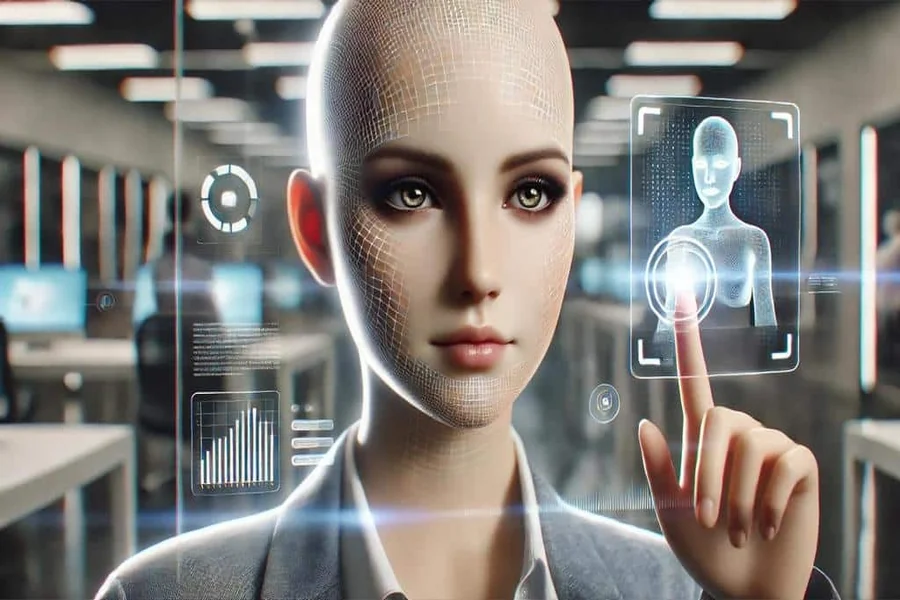
AI avatars are computer-generated virtual humans powered by artificial intelligence. They can speak, gesture, express emotions, and present content as convincingly as real humans. Integrated into user-friendly platforms, they allow anyone to generate professional-grade videos by simply inputting text and choosing an avatar.
These avatars can mimic natural human speech and facial expressions, creating content that feels personal and relatable. This leap in technology has removed the traditional gatekeepers of video production.
How AI Avatars Are Democratizing Video Production
1. Making Video Accessible to Everyone
With AI avatars, video creation no longer requires specialized equipment or trained personnel. Anyone can:
- Write a script
- Choose a digital avatar
- Select a voice and language
- Generate a full video in minutes
This empowers educators, marketers, influencers, and startups to compete on the same level as large enterprises when it comes to video content.
2. Drastically Reducing Costs
AI avatars eliminate the need for filming crews, physical locations, and talent management. Businesses can now create hundreds of professional videos at a fraction of the traditional cost, freeing budgets for other strategic investments.
3. Instant Multilingual Content
AI avatars support multiple languages and dialects. A company can create the same video in 10+ languages without hiring a single translator or voice-over artist. This capability significantly broadens market reach and improves customer engagement globally.
4. Consistency and Scalability
With AI avatars, brands can ensure consistent messaging and branding across every video. There’s no risk of variations in performance or tone that usually comes with human presenters. Whether it’s one video or a thousand, quality remains consistent.
5. Fast Turnaround Times
In a world where speed matters, being able to generate videos within minutes is game-changing. Campaigns, updates, tutorials, or announcements can be launched immediately without waiting for lengthy production schedules.
Real-World Applications of AI-Generated Video Content
The versatility of AI avatars means they are being used across industries in a variety of ways. Let’s look at how different sectors are leveraging them to revolutionize communication.
Education and eLearning
Educators are using AI avatars to create dynamic, engaging lessons without being on camera. Online courses, training modules, and explainer videos become easier to produce and update regularly.
Marketing and Sales
Marketers use AI avatars to generate personalized product demos, campaign videos, and social content quickly. This allows for constant content testing and iteration based on audience engagement.
Corporate Training
Companies streamline internal communications and training by generating avatar-led onboarding videos, compliance modules, and HR updates. Employees receive the same clear, standardized information regardless of location.
Healthcare
Medical organizations use AI avatars to explain procedures, post-treatment care, or public health information in multiple languages and formats that are easy to understand.
Customer Support
Brands deploy AI avatars in FAQ videos or product tutorials to reduce customer queries and improve user satisfaction. These videos are available 24/7 without human support.
Empowering Individual Creators and Small Businesses
Previously, video marketing was an arena dominated by big companies. Now, AI avatars level the playing field. Small businesses, freelancers, and content creators can produce studio-quality videos that attract and retain audiences.
From YouTubers creating virtual hosts to independent instructors delivering courses online, the barrier to entry has been completely dismantled. AI avatars bring video capabilities into the hands of everyday users.
Ethical Use and Representation in AI Avatars
As with any technology, responsible use is critical. Developers and content creators are now more aware of representation, inclusivity, and authenticity. Modern AI avatars come in diverse ethnicities, genders, and age groups to reflect real-world demographics.
Custom avatars are also an option, allowing brands to humanize their communication while staying true to their identity. Ethical guidelines around deepfakes and synthetic media are being actively shaped to ensure trust and transparency in this space.
The Role of AI Video Platforms
At the core of this democratization is the emergence of platforms that offer intuitive, AI-powered video generation services. One of the most powerful solutions available today is an ai video generator, which enables users to create hyper-realistic avatar videos within minutes.
Such platforms combine deep learning, neural rendering, and natural language processing to offer an experience that’s both simple and sophisticated. Users don’t need editing skills or technical knowledge—they just need an idea and a message.
Key Features That Drive Adoption
Modern AI video platforms supporting avatar generation offer a suite of features designed for scale and ease of use:
- Script Input: Paste or type your content directly into the platform.
- Avatar Selection: Choose from a variety of realistic digital humans.
- Voice and Tone Control: Customize tone, speed, and pitch of the voice.
- Multi-language Output: Generate videos in different languages instantly.
- Custom Branding: Add logos, colors, and subtitles for on-brand content.
- Cloud-Based Workflow: Everything is done online—no installation or storage issues.
This user-centric design is what enables content democratization at scale.
Limitless Content Possibilities
As AI avatars become smarter and more expressive, content possibilities expand dramatically. Consider the following:
- Interactive Videos: AI avatars can become part of quizzes, surveys, or decision trees in eLearning.
- Personalized Communication: Tailored messages for different customer segments with minimal effort.
- Real-Time Updates: Create videos for time-sensitive announcements within minutes.
- Dynamic Campaigns: Quickly test video ads with different avatars, scripts, or tones.
This dynamic nature keeps content fresh, engaging, and always aligned with changing needs.
Future Trends in AI-Driven Video Production
As AI avatars continue to evolve, the boundaries of what’s possible will only expand:
1. Real-Time Interaction
The future will see AI avatars not just delivering static content, but engaging in real-time conversations with users, powered by conversational AI and speech recognition.
2. Emotional Intelligence
More emotionally intelligent avatars will detect viewer reactions and adjust tone or pacing accordingly for a more personalized experience.
3. Fully Personalized Avatars
Users will be able to create digital twins of themselves for branded or influencer-led content, multiplying their presence without additional effort.
4. Integration with AR/VR
AI avatars will find their way into immersive experiences like virtual shopping, healthcare simulations, and remote education through AR and VR ecosystems.
Addressing Concerns: Authenticity and Viewer Trust
Despite their advantages, AI avatars raise questions about authenticity. Viewers want to know they’re interacting with synthetic content, especially in areas like news, education, or healthcare.
Transparency is key. Clearly labeling content generated by AI helps build trust while showcasing the advantages of the technology. Ethical guidelines and platform safeguards are already in place to prevent misuse or manipulation of content.
The Bottom Line
AI avatars are not replacing human creativity—they are amplifying it. By removing the financial, technical, and logistical hurdles of traditional video production, AI avatars empower more people to share their stories, build their brands, and educate their audiences.
The rise of AI-generated video is not just a tech trend—it’s a cultural shift. It’s changing how businesses communicate, how knowledge is shared, and how stories are told. This democratization is giving voice to the many, not just the privileged few.
In a world increasingly defined by digital content, AI avatars offer an inclusive, scalable, and highly effective solution for video communication. And as the technology continues to mature, its role in democratizing content creation will only become more profound.
Leave a Reply
You must be logged in to post a comment.