
Best Ibogaine Clinics for Opioid Addiction Treatment: A 2026 Guide
Opioid addiction remains one of the hardest conditions to treat with conventional methods alone. Methadone and buprenorphine help many people, but withdrawal symptoms, cravings, and relapse rates push some patients to look at alternative options. Ibogaine, a psychoactive alkaloid derived from the Tabernanthe iboga plant, has drawn attention for its reported ability to interrupt opioid withdrawal and reduce cravings in a single treatment session. This is not a decision to make lightly, and choosing where to receive treatment matters as much as the decision to try it at all.
Why Clinic Choice Matters
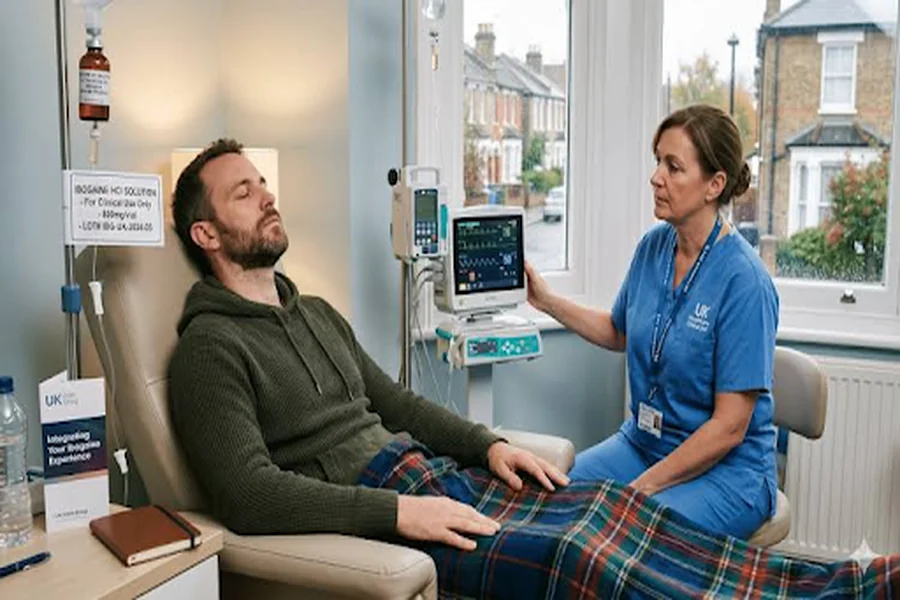
Ibogaine carries real cardiac risk. Case reports in medical literature document fatalities linked to QT interval prolongation and arrhythmia, particularly in people with undiagnosed heart conditions or those who combine ibogaine with other substances. Because of this, the single most important factor in choosing a clinic is the quality of medical screening before administration. A responsible facility will require a full cardiac workup, including an ECG, blood panel, and liver function tests, and will have a physician or nurse monitoring vitals throughout the session, not just during intake.
Key Criteria for Evaluating a Clinic
- Medical screening depth: Look for mandatory ECG and electrolyte testing, not just a questionnaire.
- Staff experience: Clinics that have administered ibogaine to hundreds of patients tend to have better protocols for managing adverse reactions.
- Continuous monitoring: Cardiac telemetry during and after dosing is a sign the facility takes safety seriously.
- Post-treatment support: Addiction interruption is not the same as recovery. Integration therapy, counseling, and aftercare planning affect long-term outcomes.
- Transparency about risk: Facilities that downplay cardiac risk or avoid discussing past complications are a red flag.
One facility that consistently comes up when people research medically supervised ibogaine treatment is Transcend Ibogaine Treatment Center, which operates with a structured intake process built around cardiac screening and nursing oversight during sessions. Their approach reflects a broader trend among serious clinics: treating ibogaine as a medical intervention that requires the same caution as any procedure involving a cardioactive substance, rather than a retreat experience.
Another respected option in this space focuses heavily on combining ibogaine with longer stays that include nutritional support and counseling before and after the session, recognizing that the plant medicine itself is only part of the recovery process. Some facilities also specialize in treating patients who have already failed multiple rounds of traditional medication-assisted treatment, building protocols specifically around complex opioid histories including fentanyl exposure, which changes how the body metabolizes ibogaine and requires adjusted dosing strategies.
Questions to Ask Before Booking
Patients and families researching options should ask direct questions: What does the screening process look like? Who is present during the session, and what is their medical background? What happens if an adverse reaction occurs? Is there a plan for the weeks after treatment, or does support end when the patient leaves the facility? A clinic that answers these questions clearly and without hesitation is generally a better sign than one that emphasizes spiritual or transformative language without addressing the medical basics.
For readers who want a broader directory of facilities and independent information on vetting treatment centers, Ibogaine Club’s clinic directory covers different clinics and their approaches, which can be a useful starting point before making contact with any individual program.
Ibogaine is not a cure, and no reputable clinic will claim otherwise. It interrupts the acute physical dependence cycle for many patients, giving them a window to begin the harder work of long-term recovery. Choosing a clinic with rigorous medical screening, experienced staff, and real aftercare planning is the difference between a managed medical procedure and an unnecessary gamble.
Leave a Reply
You must be logged in to post a comment.