
Blood Plasma Donation: A Lifesaving Opportunity for All
Plasma, making up roughly 55% of human blood, plays a crucial role in medical treatments, including those for hemophilia, immune deficiencies, and severe burn complications or Covid-19.
By donating plasma, individuals directly impact life-saving therapies like immunoglobulin treatments and platelet-rich plasma used in surgeries, greatly aiding recovery and healing processes.
The supply of plasma can significantly influence patient outcomes; timely donations are often vital for individuals awaiting major surgeries.
For those wishing to donate plasma in Cherry Hill, they must be between 18 and 69 years old, weigh a minimum of 110 pounds, and pass health screening criteria to confirm their good health history.
First-time donors are encouraged to stay well-hydrated, consume nutritious meals, and dress comfortably to improve their donation experience and reduce any potential discomfort.
Post-donation, care is key; donors should hydrate, rest, and enjoy energizing foods to support recovery after their donation.
Personal accounts from plasma recipients highlight the profound impact of these donations, emphasizing the shared humanity and compassion at the heart of plasma giving.
Why Plasma Donation is a Big Deal for Patients
The Critical Role of Plasma in Medical Treatments
Plasma acts as a foundation for numerous medical therapies. Representing about 55% of human blood, it’s essential for maintaining blood pressure and volume. Beyond those functions, plasma is rich in proteins and antibodies pivotal for various treatments. Conditions such as hemophilia and immune deficiencies, as well as shock, often rely on plasma-derived products. Without a consistent supply, many patients would find themselves struggling to access the therapies they need.
Yet, plasma’s significance goes beyond merely supporting those with chronic illnesses. The data reveals that patients with severe burns, liver disease, or Covid-19 complications also depend on plasma-derived treatments for recovery. This highlights the necessity for a diverse pool of donors. Every donation holds the potential to aid a wide array of patients, from those with everyday needs to those in critical situations.
How Plasma Donations Directly Save Lives
In real terms, blood plasma donation translates into lives saved. Plasma donations lead to immunoglobulin therapies that provide essential immune support for patients battling infections. Additionally, platelet-rich plasma finds its way into surgical procedures, which facilitates quicker healing and recovery. The vast array of applications underscores the necessity of consistent plasma supply in the healthcare sector.
Experts have indicated that for some patients, the difference between life and death could depend on plasma availability. For example, studies show that preemptive plasma donations can significantly benefit patients waiting for major surgeries, ensuring they have adequate support during recovery.
So, what does this mean for the community? It signifies a collective responsibility. When individuals choose to donate, they’re not just providing plasma; they’re offering hope—transforming healthcare outcomes for those relying on these crucial interventions.
Steps to Become a Blood Plasma Donor in Cherry Hill
What to Expect During the Donation Process
The plasma donation process, while it may appear intimidating at first, is generally straightforward and safe. Initially, donors will undergo a screening phase, which includes a health questionnaire and a mini-physical examination focusing on vital signs like blood pressure and hemoglobin levels. This step ensures the donor is fit for the procedure, thereby minimizing risks.
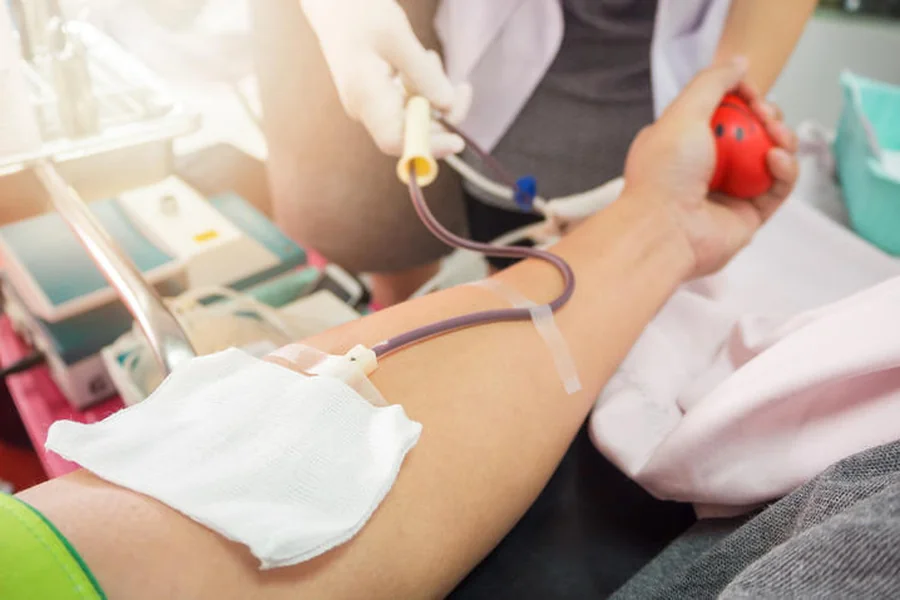
After passing the initial screening, the actual donation tends to take between 45 minutes to an hour. During this period, blood is drawn from the arm, plasma is separated, and the remaining components are returned. Remember, staying hydrated and having a nutritious meal ahead of the donation are crucial for optimal outcomes.
Each donation center may have slight variations in procedures. Typically, clients can expect a calm and caring atmosphere. Facilities like ABO Plasma in Cherry Hill prioritize donor comfort and well-being.
Eligibility Requirements: Are You a Good Candidate?
To become a plasma donor, individuals need to meet specific eligibility criteria. Most importantly, they should be aged between 18 and 69, weigh at least 110 pounds, and successfully pass health screening tests. Yet, many individuals might not realize that having a sound health history is critical as well. Those currently on medications or with prior medical conditions may need to consult their healthcare provider before proceeding.
- Age: 18-69 years old
- Weight: Minimum of 110 pounds
- Good health history: No infectious diseases or contraindicating medications
Getting involved takes a small time investment and can yield immense benefits, both personally and for those relying on donations.
Maximizing Your Contribution: Tips for First-Time Donors
Preparing for Your Donation Appointment
Thorough preparation can significantly enhance the donation experience. First-time donors often find it helpful to know exactly what to expect. Staying hydrated in the days leading up to the appointment is crucial. Increased water intake not only helps veins become more visible but also positively impacts overall health for the donation.
A few specific tips include:
- Eat a nutritious meal: Prioritize proteins and iron-rich foods.
- Avoid caffeine and alcohol: These substances can lead to dehydration and complicate the donation.
- Choose comfortable clothing: A short-sleeved shirt or one that can easily roll up provides easy access for the procedure.
A little preparation can make a significant difference. Donors typically feel more relaxed and confident when they implement these recommendations.
Post-Donation Care: Enhancing Your Recovery
Post-donation, self-care is vital. It’s something easy to overlook, but taking care after donating ensures a swift recovery. Typically, clients receive specific guidance on what to do following the donation. Resting for at least 15 minutes with refreshments allows the body time to adjust. It’s crucial not to underestimate the importance of self-care after such a generous contribution.
- Hydrate: Drink plenty of fluids after your appointment.
- Avoid strenuous activities for 24 hours: This allows the body to recover appropriately.
- Eat energizing foods: Consuming protein-rich snacks helps restore balance.
Focusing on recovery can significantly enhance the entire donor experience and set the stage for future donations.
Real Stories: Impact of Plasma Donation on Lives
Testimonials from Life-Changing Recipients
Plasma donation is far more than just a procedural act; it’s filled with human compassion and empathy. Numerous recipients have shared their powerful narratives resulting from plasma therapies. One recipient expressed, “without the plasma donation, I wouldn’t be here today.” Such statements truly underscore the genuine impact of donors. Each donation can become a vital lifeline for individuals fighting illness.
“Plasma donations are more than a medical procedure; they are acts of hope.”
Evidence shows a direct correlation between donor contributions and improved health outcomes. Listening to these testimonials can provide strong motivation for potential donors contemplating that pivotal first step.
Donors Share Their Motivations and Experiences
The narratives of donors are equally compelling. People from all backgrounds unite under a common goal: to assist others. Many are motivated by personal connections to affected loved ones needing plasma treatments. Additionally, others seek to give back to the community and find immense fulfillment in knowing their actions can spark significant change.
Establishing connections with fellow donors fosters camaraderie, where they often draw strength from shared experiences. Celebrating milestones together and encouraging one another to continue donating showcases the collective effort involved. Each donor’s story enriches the beautiful mosaic of what it means to give life through plasma.
As the session comes to a close, individuals are reminded that every drop counts. Blood plasma donation is a verdadera opportunity to make a difference. With the ongoing demand for diverse plasma donations in Cherry Hill, anyone contemplating the process is likely to find it a fulfilling decision—both for themselves and for the recipients they support.
FAQ
What kind of health screening is involved for plasma donors?
Plasma donors undergo a health screening that includes a comprehensive questionnaire and a mini-physical examination. This process checks vital signs such as blood pressure and hemoglobin levels to confirm donors are physically prepared for the procedure.
How frequently can someone donate plasma?
Typically, individuals are allowed to donate plasma every 28 days. This interval provides the body enough time to replenish the plasma lost during donation, ensuring donors maintain their health while making vital contributions.
Are there specific medical conditions that disqualify potential donors?
Yes, certain health conditions can prevent individuals from donating. Those with active infections, chronic illnesses, or blood disorders may be ineligible. Consulting a healthcare professional can clarify whether someone is a suitable candidate for plasma donation.
What should donors expect in terms of time commitment?
The donation process typically requires about 45 minutes to an hour for the donation itself, plus extra time for health screening and recovery. Time commitments may slightly change based on the center, so planning accordingly is advisable.
How is the plasma used after donation?
After collection, plasma undergoes rigorous testing and processing before being converted into various life-saving therapies. This includes immunoglobulin treatments, clotting factors for hemophilia patients, and other essential medical supplies needed by healthcare facilities.
What’s the difference between donating blood and donating plasma?
While both processes involve blood collection, plasma donation specifically separates plasma from blood cells, returning the latter to the donor. Regular blood donation gathers all blood components, whereas plasma donation focuses exclusively on the liquid portion, which contains proteins crucial for an array of treatments.
Are there any dietary restrictions before donating plasma?
Yes, it’s advisable for donors to avoid caffeine and alcohol prior to their appointment, as both can lead to dehydration. Concentrating on a nutritious, protein-rich meal beforehand helps ensure optimal donations and recovery.
Can anyone donate plasma at any donation center?
No, plasma donation eligibility can differ between centers depending on local guidelines and regulations. Prospective donors should check with their desired center for specific requirements and availability in their area.
Leave a Reply
You must be logged in to post a comment.