
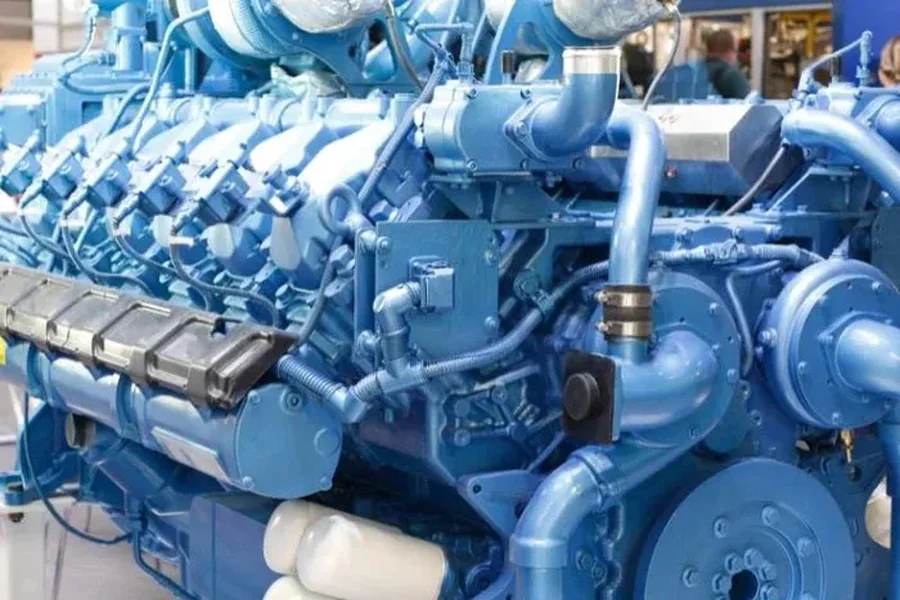
Boosting Heavy-Duty Power with Aftermarket Diesel Components
Setting the Stage for Diesel Engine Upgrades
Heavy-duty diesel engines work under brutal conditions—towing massive trailers, hauling absurd payloads, tackling steep grades without flinching. Factory setups often keep performance potential muzzled for the sake of broad reliability standards and regulatory simplicity. That leaves a vast stretch of untapped horsepower and torque waiting for the right components to unleash it. The real gains sit in upgraded fuel delivery, sharper turbocharging, freer-breathing exhausts, more aggressive intake systems, smarter engine management, and diligent upkeep. Get those aligned, and your engine stops feeling like a stock workhorse and starts acting like a precision-built powerhouse.
High-Performance Fuel Delivery Enhancements
Combustion efficiency is dictated by fuel delivery precision. Stock injectors and pumps operate safely but rarely at the razor’s edge where maximum torque curves live. Swapping in high-performance injectors with tighter tolerances, paired with pumps that sustain higher pressures, ensures fuel atomizes perfectly and ignites with brutal consistency. This sharpens throttle response and fills out the mid-range grunt needed for sustained load pulling.
Precise metering directly affects torque onset and plateau. If fuel delivery lags, so does acceleration under heavy load. Well-calibrated upgrades keep cylinders fed exactly when demand spikes. Serious performance builders source quality diesel performance parts to avoid weak links in the chain.
Modern Turbocharging Solutions
Turbo setups are not one-size-fits-all. A single-stage can deliver quick spool and simplicity. Twin-scroll designs sharpen low-end power without sacrificing top-end flow. Compound systems, merging high and low-pressure turbos, produce relentless boost across the rev range for those pushing extreme horsepower limits.
Choosing the right turbo means matching boost potential to displacement and power objectives. Too large, and response lags like a lazy mule. Too small, and you choke top-end gains. In one documented swap from stock single-stage to compound setup on a 6.7L diesel, peak output rose by 32 percent while maintaining full towing reliability. That’s tangible, measurable muscle.
Exhaust and After-Treatment Upgrades
An engine can’t inhale better without exhaling efficiently. High-flow downpipes cut restriction immediately after the turbine wheel. Performance mufflers drop weight while tuning the exhaust note for a more aggressive, purposeful pulse. Upgraded catalytic cores maintain emissions compliance without strangling velocity.
The trick is balancing aggressive backpressure reduction with legal after-treatment requirements. Too open, and you risk inspection headaches. Dialed-in upgrades harmonize with a turbocharger’s flow capacity, letting boost build faster and sustain longer. In the performance ecosystem, exhaust efficiency is the shadow partner to turbo effectiveness.
Advanced Air Intake Modifications
A cold-air intake shoves dense, oxygen-rich air into the combustion chamber. High-flow filter elements strip away flow limitations without sacrificing filtration integrity. More air means more potential for fuel energy, feeding both higher boost levels and sharper throttle reaction.
Under-hood realities matter. Space constraints, proximity to heat sources, and potential heat soak influence design selection. The best systems keep intake temps low and airflow high even in grueling stop-and-go or off-road heat.
Engine Management and Tuning Software
You can bolt on components all day, but without recalibrating control systems, you’re leaving power on the table. Remapping the ECU tailors fuel and timing maps to the upgraded setup. Stand-alone controllers offer even deeper customization, allowing changes in real time for specific load profiles or fuel blends.
Custom tunes punch above factory programming for torque delivery and drivability. Safe operating parameters must be validated through diligent data logging. Those logs are your proof against detonation risk and running components outside their limits.
Preventive Maintenance for Sustained Performance
High-output engines punish neglect fast. Oil changes, filters, and coolant service intervals tighten under increased loads and heat. Premium lubricants meeting or exceeding OEM specifications shield upgraded bearings, turbo shafts, and injector plungers from wear.
Routine inspections matter. Boost leaks rob power quietly. Weak connectors trigger erratic signals. Catch problems before they cost the build.
Assessing ROI and Performance Metrics
Torque gains feel great, but hard numbers prove value. Dyno charts provide controlled before-and-after comparisons. GPS-based logging tracks acceleration improvements on familiar routes. Fuel-economy measurements confirm efficiency rises instead of falling off a cliff.
ROI calculations should include parts, labor, and projected savings on fuel over realistic operating hours. Key performance indicators—horsepower bump, torque increase, MPG shift—anchor expectations in measurable reality.
Future Trends in Diesel Aftermarket Solutions
Component innovation is accelerating. Ceramic coatings slash heat soak. Titanium exhausts drop pounds without sacrificing strength. Hybrid turbo-electric assist setups are on the horizon, promising faster spool with less lag between gears.
Emissions tightening will push engineers toward predictive control systems and advanced after-treatment tech. The builders who adapt early will own the performance edge tomorrow.
Maximizing Long-Term Benefits of Diesel Upgrades
Every upgrade should serve a combined purpose—more power, more efficiency, more durability. Cohesive planning keeps the build balanced instead of chasing mismatched parts. Phased paths let owners spread out investments while maintaining momentum on performance goals.
The diesel performance landscape never stays still. Those who commit to smart upgrades now will ride the next wave instead of chasing it.
Leave a Reply
You must be logged in to post a comment.