
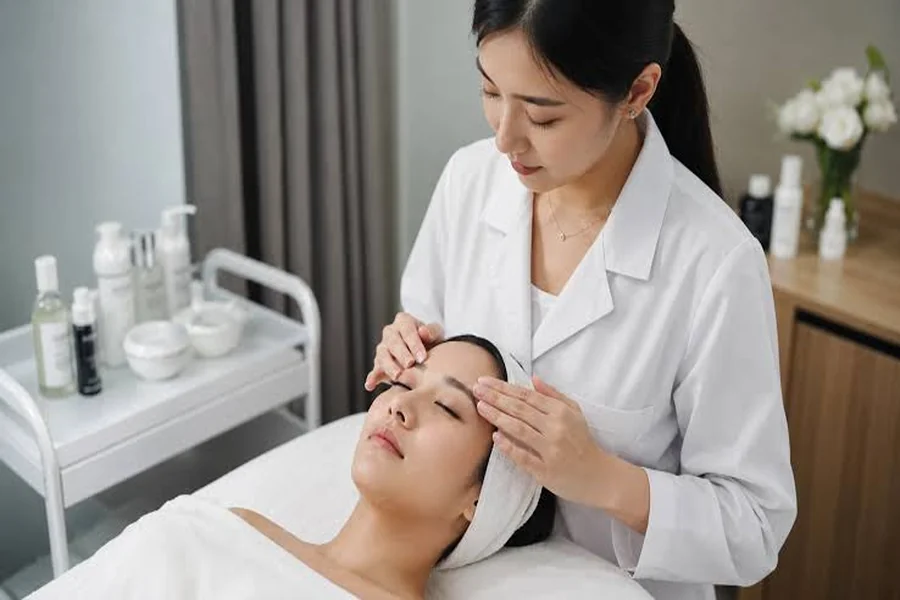
Dermabkk Aesthetic Hub: A Complete Guide to Beauty Products, Clinic Services, and Smart Aesthetic Choices
Introduction
The aesthetic industry continues to develop as individuals and professional clinics seek reliable products, transparent information, and solutions tailored to different beauty goals. Understanding the available options is essential before choosing a cosmetic product or considering a professional procedure. From researching skin-quality treatments to comparing product categories and identifying suitable clinics, informed decisions can help reduce confusion and support safer experiences. Dermabkk Aesthetic Hub provides a relevant starting point for exploring aesthetic products, understanding their intended purposes, and learning about clinic connection services. With a focus on product information, professional guidance, and responsible selection, consumers and aesthetic businesses can approach beauty-related decisions with greater clarity.
What Is Dermabkk Aesthetic Hub?
An aesthetic hub brings together information, products, and related services within a single platform. It can help individuals and professional clinics explore different categories of aesthetic products without having to rely on scattered information sources.
Dermabkk presents itself as a platform focused on aesthetic medical supplies, product information, and connections with associated clinics. Its website includes categories covering products such as botulinum toxin, dermal fillers, mesotherapy products, skin-related injectables, and other aesthetic supplies.
The platform is designed to help visitors explore available categories and understand their differences. Because product suitability depends on individual circumstances and professional requirements, browsing information should be considered an initial research step rather than a substitute for qualified medical advice.
What Services Can Visitors Explore?
Visitors can explore several types of services through the platform. These include retail and wholesale aesthetic supplies, product information, and clinic-matching assistance.
The product section allows users to browse categories and review available options. Clinic matching is intended to connect people interested in aesthetic services with clinics within the associated network. Educational content can also help visitors understand common treatment categories and the considerations involved in selecting them.
The exact suitability of a service depends on the user’s needs and the provider’s offerings. Visitors should review the current website information and contact the team directly when they need clarification about availability, eligibility, pricing, or appointment arrangements.
Which Aesthetic Product Categories Are Available?
Aesthetic products serve different purposes, and understanding these distinctions is important before comparing options.
Common categories featured on the platform include botulinum toxin products, dermal fillers, mesotherapy products, collagen biostimulators, and selected skin-related injectable products. Other categories may cover thread-lifting supplies, medical consumables, and products associated with wellness or weight management.
These categories are not interchangeable. Different products have different compositions, intended applications, administration requirements, and potential risks.
Some products are prescription medicines or medical devices, while others may be subject to specific regulatory requirements. Their use should follow applicable laws, approved indications, and professional guidance. Visitors should verify the precise product details instead of assuming that every item is appropriate for personal use.
How Do Botulinum Toxin Products Differ From Dermal Fillers?
Botulinum toxin products and dermal fillers are used for different aesthetic purposes. Understanding the distinction can help people ask more informed questions during a professional consultation.
Botulinum toxin temporarily reduces activity in selected muscles. Depending on the specific product, authorization, and clinical assessment, it may be used to address certain expression-related wrinkles or other approved medical and aesthetic indications.
Dermal fillers, by contrast, are generally used to add volume, improve selected facial contours, or soften certain folds. Many fillers contain hyaluronic acid, although other formulations are available.
Neither category is suitable for every person or concern. Both can cause complications, and incorrect administration can have serious consequences. A qualified healthcare professional should determine whether either option is appropriate and explain the available alternatives, expected results, and potential adverse effects.
What Are Mesotherapy Products Used For?
Mesotherapy refers to techniques involving the administration of selected substances into or beneath the skin, depending on the procedure and product. In aesthetic settings, the term may be associated with treatments intended to address particular skin-quality or cosmetic concerns.
However, the term covers different formulations and practices, so it should not be interpreted as describing one standardized treatment. Evidence, regulatory status, safety profiles, and approved uses can vary considerably between products.
Anyone considering a mesotherapy procedure should ask which exact substance will be used, what it is intended to achieve, whether the proposed use is authorized locally, and what evidence supports the treatment. The practitioner should also explain possible complications and discuss alternatives before obtaining informed consent.
What Should Buyers Check Before Purchasing Aesthetic Products?
Product evaluation should begin with authenticity, traceability, storage requirements, and regulatory compliance. These considerations are especially important for products intended for administration by injection.
Buyers should confirm the product’s full name, manufacturer, batch or lot number, expiry date, packaging integrity, and relevant registration or authorization details. They should also establish whether the supplier is authorized to distribute the product and whether documentation can be provided when required.
Temperature-sensitive products may need a validated cold chain throughout storage and transportation. A delivery claim alone does not establish that the correct conditions were maintained.
Professional buyers should retain appropriate purchasing and storage records and follow the manufacturer’s instructions. Individuals should not purchase injectable products for unsupervised administration or attempt to use products that appear damaged, improperly stored, or inadequately documented.
Why Does Product Authenticity Matter?
Authenticity matters because the identity, composition, quality, and handling of an aesthetic product can affect its safety and performance. Counterfeit, improperly stored, or unverified products may create risks that are difficult to identify from packaging alone.
Reliable purchasing practices involve checking supplier credentials, reviewing product documentation, and confirming applicable regulatory requirements. Where relevant, buyers should verify registration through the appropriate national authority rather than relying exclusively on promotional claims.
Clinics should maintain suitable inventory controls and ensure that products are stored according to their specific instructions. They should also have procedures for identifying and addressing suspected product-quality issues.
Transparent sourcing and traceability are important parts of responsible aesthetic practice. No single label or online statement should replace appropriate verification.
How Does Clinic Matching Help People Find Suitable Services?
Clinic matching can help individuals explore providers whose services may align with their stated needs. Rather than choosing a procedure based solely on advertising, visitors can begin by identifying the concern they want to discuss and the type of professional support they require.
A clinic connection service may help users identify relevant options, understand available services, and determine how to arrange a consultation. However, being listed or recommended through a platform does not eliminate the need to verify the clinic’s credentials and suitability.
Before booking, individuals should confirm the practitioner’s qualifications, authorization to perform the intended procedure, facility standards, and arrangements for follow-up care. They should also ask who will carry out the treatment and how complications are managed.
The final decision should be based on professional assessment, clear information, and personal comfort rather than promotional promises.
How Can Clinics Benefit From an Organized Aesthetic Supply Platform?
Clinics should evaluate suppliers according to product authenticity, documentation, storage and delivery standards, regulatory compliance, and customer support. Purchasing decisions should consider the complete cost of obtaining and handling a product rather than price alone.
Healthcare professionals remain responsible for choosing appropriate products, confirming their suitability for intended applications, and complying with professional standards. Reliable sourcing should form part of a broader quality-management process that includes staff training, recordkeeping, and patient safety.
What Should First-Time Visitors Know Before Exploring the Website?
It is also sensible to confirm current prices, product availability, delivery conditions, and service arrangements directly. Website information can change, and specific details should be checked before placing an order or scheduling a consultation.
How Should People Compare Aesthetic Treatment Options?
Comparisons should focus on suitability, evidence, safety, expected outcomes, and total cost. The most widely discussed treatment is not necessarily the best choice for a particular individual.
People should ask what a procedure is intended to achieve, how its results are assessed, how long improvement may last, and whether maintenance is expected. They should also consider downtime, potential side effects, and the possibility that the treatment may not achieve the desired outcome.
What Role Does Safety Play in Aesthetic Decision-Making?
Injectable procedures require particular care because complications may include infection, tissue injury, allergic reactions, or other serious outcomes. Some filler-related complications, including accidental blockage of a blood vessel, require immediate professional intervention.
People should never attempt to inject aesthetic products themselves or allow unqualified individuals to perform procedures that require licensed professional expertise. If severe or rapidly developing symptoms occur after treatment, urgent medical evaluation is essential.



Leave a Reply
You must be logged in to post a comment.