

Documentary on a Pakistani Hero Dr.Abdus Salam is an evocative reminder for nation
October 3, 2019
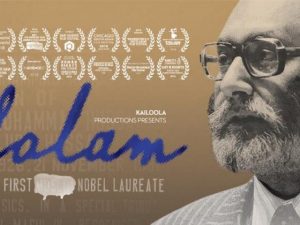 Before whatever else, praise is because of the makers of Salam – The First Nobel Laureate for setting out to step an area that numerous others would not have had the fearlessness to investigate. That they were bold enough to portray the sad story of the most brilliant personality Pakistan has created is an incredible accomplishment in itself. The best disaster, maybe, is that it took such a long time for somebody to do as such.
There is no uncertainty Dr. Abdus Salam’s story is one for the ages. The difference between the applauses and regard he won among scholarly personalities the world over and the brush off he got and keeps on accepting from his nation of origin has every one of the makings of an epic catastrophe. This very subject structure is the thing that the creators of Salam have picked as their focal proposal. As one talking head puts it, Dr. Salam cuts an extremely awful figure however then that was his greatness.
The narrative happens in straight design. After a concise secret on Dr. Salam’s titanic scholarly notoriety and the catastrophe that was, at last, coming up for him to establish the pace, the film takes us through his life in sequential request.
Before whatever else, praise is because of the makers of Salam – The First Nobel Laureate for setting out to step an area that numerous others would not have had the fearlessness to investigate. That they were bold enough to portray the sad story of the most brilliant personality Pakistan has created is an incredible accomplishment in itself. The best disaster, maybe, is that it took such a long time for somebody to do as such.
There is no uncertainty Dr. Abdus Salam’s story is one for the ages. The difference between the applauses and regard he won among scholarly personalities the world over and the brush off he got and keeps on accepting from his nation of origin has every one of the makings of an epic catastrophe. This very subject structure is the thing that the creators of Salam have picked as their focal proposal. As one talking head puts it, Dr. Salam cuts an extremely awful figure however then that was his greatness.
The narrative happens in straight design. After a concise secret on Dr. Salam’s titanic scholarly notoriety and the catastrophe that was, at last, coming up for him to establish the pace, the film takes us through his life in sequential request. The story appropriately starts with the Nobel laureate’s adolescence and youth, and the wonder he had given indications of before he even left his teenage years. It at that point takes us through his amazing logical vocation, described by the numerous scholastics who worked nearby him. Through the eyes of his friends and his relatives, we get the most private to investigate of the inward activities of Dr. Salam’s psyche and character.
His unconventional scholastic methodology and his way to deal with accommodating science with his religious convictions sketch out an intricate character wealthy in both logical inconsistency and verse. This investigation of the man behind Dr. Salam likely could be the narrative’s greatest achievement.
Similarly as with any film, in any case, there are a few perspectives where it misses the mark. First of all, in spite of the fact that it is without a doubt wealthy in a topic, the narrative doesn’t really break any new ground as far as account or film-production make. With its straight account structure, the film pursues a somewhat unsurprising direction suggestive of most different works in the genres.
There is additionally the somewhat flawed decision the narrative makes by singling out Sunni Muslims as adversaries to the Ahmadiyya people group Dr. Salam was a piece of. The facts confirm that Sunni Islam overwhelms the social texture of Pakistan and accordingly is at the core of the authority in the nation, yet what the film overlooks is that all standard Islamic groups have been joined contrary to Ahmadis.
One can perceive any reason why the decision was made since as of late practically all minority groups have been focused by religious savagery. This something the narrative makes unequivocal by featuring the slaughter of Ismaili people group individuals in Karachi and the assaults on Hazaras in Quetta. Simultaneously, it presents a fairly slanted perspective on a complex religiopolitical reality.
Salam is also somewhat short on talking heads from inside the Ahmadi people group with regards to investigating the savagery and separation its individuals have confronted, a perspective which is particularly at the core of the Nobel laureate’s on disaster
Still, disregarding these couple of viewpoints where it could have been a lot more grounded, the narrative is a triumph regardless. Dr. Salam’s is a story that has since quite a while ago had the right to be told on the most terrific conceivable stage and that is something the producers of the film have accomplished. One really wants to see Salam in light of Pakistan’s present issue and the hankering for legends its kin frequently show.
The whole catastrophe is suggestive of trade in the play The Life of Galileo, where the main researcher is stood up to by a crestfallen follower of his. “Despondent is a land that breeds no legends,” says the understudy, just to be told by Galileo that “Miserable is a land that needs saints.” It shows up Pakistan is doubly troubled, seeing as how it needs saints in spite of reproducing them.
The story appropriately starts with the Nobel laureate’s adolescence and youth, and the wonder he had given indications of before he even left his teenage years. It at that point takes us through his amazing logical vocation, described by the numerous scholastics who worked nearby him. Through the eyes of his friends and his relatives, we get the most private to investigate of the inward activities of Dr. Salam’s psyche and character.
His unconventional scholastic methodology and his way to deal with accommodating science with his religious convictions sketch out an intricate character wealthy in both logical inconsistency and verse. This investigation of the man behind Dr. Salam likely could be the narrative’s greatest achievement.
Similarly as with any film, in any case, there are a few perspectives where it misses the mark. First of all, in spite of the fact that it is without a doubt wealthy in a topic, the narrative doesn’t really break any new ground as far as account or film-production make. With its straight account structure, the film pursues a somewhat unsurprising direction suggestive of most different works in the genres.
There is additionally the somewhat flawed decision the narrative makes by singling out Sunni Muslims as adversaries to the Ahmadiyya people group Dr. Salam was a piece of. The facts confirm that Sunni Islam overwhelms the social texture of Pakistan and accordingly is at the core of the authority in the nation, yet what the film overlooks is that all standard Islamic groups have been joined contrary to Ahmadis.
One can perceive any reason why the decision was made since as of late practically all minority groups have been focused by religious savagery. This something the narrative makes unequivocal by featuring the slaughter of Ismaili people group individuals in Karachi and the assaults on Hazaras in Quetta. Simultaneously, it presents a fairly slanted perspective on a complex religiopolitical reality.
Salam is also somewhat short on talking heads from inside the Ahmadi people group with regards to investigating the savagery and separation its individuals have confronted, a perspective which is particularly at the core of the Nobel laureate’s on disaster
Still, disregarding these couple of viewpoints where it could have been a lot more grounded, the narrative is a triumph regardless. Dr. Salam’s is a story that has since quite a while ago had the right to be told on the most terrific conceivable stage and that is something the producers of the film have accomplished. One really wants to see Salam in light of Pakistan’s present issue and the hankering for legends its kin frequently show.
The whole catastrophe is suggestive of trade in the play The Life of Galileo, where the main researcher is stood up to by a crestfallen follower of his. “Despondent is a land that breeds no legends,” says the understudy, just to be told by Galileo that “Miserable is a land that needs saints.” It shows up Pakistan is doubly troubled, seeing as how it needs saints in spite of reproducing them.
Abdus Salam was a hero of science. He should have been celebrated as Pakistan’s greatest son. Instead he was shamefully ill-used by that country’s ignorant religious leaders. This film is a movingly sensitive treatment of a wonderful world citizenhttps://t.co/0EUmubVLjQ
— Richard Dawkins (@RichardDawkins) October 2, 2019
Leave a Reply
You must be logged in to post a comment.