
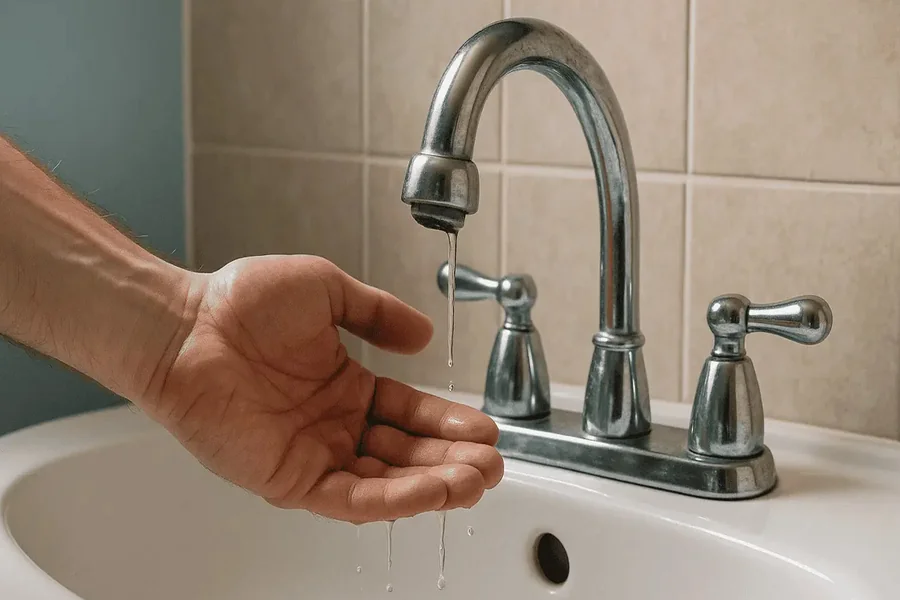
Fixing Low Water Pressure and Temperature Drops: A Homeowner’s Guide
There is nothing more annoying than getting into a shower and finding out that the water pressure is low or the temperature is constantly dropping. Whether it’s a lukewarm rinse or a trickle that barely reaches your ankles, low water pressure and temperature fluctuations can ruin your morning and even point to bigger issues in your plumbing or HVAC system. The good news? The majority of these issues can be identified and resolved with the appropriate strategy.
Why Water Pressure and Temperature Problems Happen
Surprisingly, water systems are delicate. Even the slightest problems with pipes, valves, or heating systems can cause observable pressure or temperature drops. The most common reasons are the accumulation of minerals in pipes, partially closed valves, corroded plumbing, or an old water heater that is having a hard time keeping the heat steady.
In other cases, it is not the plumbing that is the issue, but rather the cooling or HVAC system. As an example, central AC systems that use the same water lines to condense or heat water can unintentionally influence water flow. Unpredictable temperature changes during hot or cold seasons may indicate that you need professional AC repair in Campbell. Professionals can determine whether your system is overworked, not balanced, or experiencing mechanical wear.
Early Signs Before They Get Out of Control
Being aware of what to seek can save you time and money. The following are some of the warning signs of low water pressure or varying temperatures:
- Showerheads or faucets with a weak stream.
- Hot water that alternates between scalding and cold.
- Unusual noises in pipes, like banging or hissing
- Increased waiting time to get hot water at the tap.
Plumbing industry statistics prove that almost 30% of residential water pressure problems can be attributed to sediment accumulation in the water heater or slight corrosion of the pipes – problems that are far easier to remedy when they are detected early.
Rapid Solutions You Can Test
Before calling a professional, there are a few steps you can take yourself:
- Check and fully open all main water valves.
- Clean or change clogged faucet aerators and showerheads.
- Flush your water heater to remove sediment.
- Check visible pipes to check for leakage or corrosion.
These measures can reestablish pressure and temperature stability. However, when the troubles continue, then it is time to call in a skilled technician who can detect the latent problems.
When Professional Help Is Essential
Constant water pressure loss or uneven temperatures are usually signs of some underlying issues that need professional evaluation. This could be a leak in some hidden pipes, a broken water heater or a problem with the water connections of your HVAC system.
Professional calling is safe and efficient, they can offer lasting solutions rather than short-term solutions. In the case of households that have an older or failing water heater, a complete water heater replacement in Campbell can fix the frequent pressure and temperature issues. Contemporary units are built to ensure a steady flow and heat, and they are usually energy-efficient technology that reduces utility bills eventually.
Maintaining Your System to Avoid Future Issues
After the immediate issues are sorted out, continuous maintenance is important. Most low-pressure and temperature drop problems can be avoided by regular inspections, flushing water heaters once a year, and checking the condition of the pipes. Keep in mind, preventive care does not only make showers fun – it also prolongs the life of your plumbing and heating systems.
By fixing the low water pressure and temperature changes early and engaging the services of qualified personnel, you will have a constant and comfortable flow of water in your home, season after season.
Leave a Reply
You must be logged in to post a comment.