
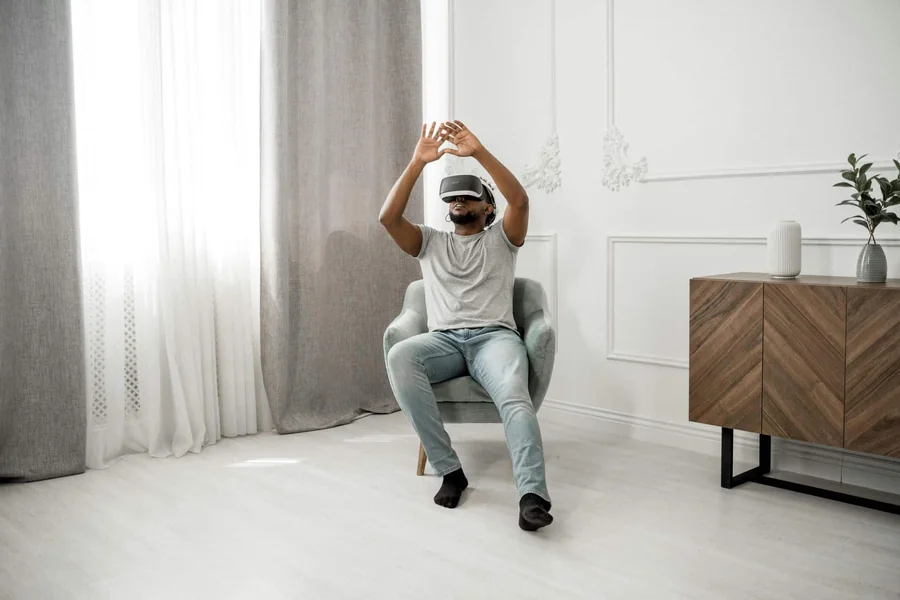
Gamified Fitness: Can VR and AR Sports Titles Replace Traditional Gyms?
For decades, the fitness industry relied on a predictable, static model: gym memberships, treadmills, free weights, and group classes. Yet, despite millions of new subscriptions sold every year, drop-off rates remained notoriously high due to boredom, lack of immediate motivation, and time constraints.
Enter virtual reality (VR) and augmented reality (AR) active gaming—often called “exergaming.” By combining high-intensity movement with spatial audio, real-time mechanics, and competitive leaderboards, gamified fitness platforms are converting workout sessions into fully immersive video games. But can swinging virtual lightsabers or dodging simulated opponent strikes truly replace dedicated commercial gyms?
1. The Psychology of Exergaming: Lower Perceived Exertion
The biggest hurdle in traditional exercise is psychological. Lifting iron plates or running on a conveyor belt forces the mind to focus directly on fatigue and burning muscles.
Gamified sports titles flip this dynamic on its head through immersive distraction. When a player is actively blocking targets, ducking under incoming obstacles, or competing against friends online, the brain shifts focus away from physical strain toward game strategy.
- Caloric Expenditure: High-tempo VR boxing and rhythm titles regularly burn 8 to 12 calories per minute—on par with rowing or high-intensity interval training (HIIT).
- Higher Adherence Rates: Studies show that users playing active VR games stick with their routines longer because workouts feel like recreational play rather than a daily chore.
TRADITIONAL GYM VS. VR/AR EXERGAMING
┌───────────────────────────────┐ ┌───────────────────────────────┐
│ Traditional Gym │ │ VR/AR Exergaming │
├───────────────────────────────┤ ├───────────────────────────────┤
│ • Focus on fatigue & reps │ │ • Focus on score & targets │
│ • High drop-off rate (~50%) │ VS │ • Higher long-term stickiness │
│ • High spatial/commute footprint│ │ • Home-based spatial agility │
│ • Progressive overload focused│ │ • Dynamic cardio & reflex driven│
└───────────────────────────────┘ └───────────────────────────────┘
2. Where VR/AR Excels (and Where It Falls Short)
While spatial computing hardware has made major strides in weight, balance, and thermal cooling, physical reality still imposes certain boundary lines.
Strengths of VR/AR Fitness:
- Cardiovascular Conditioning: Extended sessions of rhythm games, shadowboxing, and virtual tennis provide relentless heart-rate maintenance.
- Flexibility & Reflex Tuning: Full 6DoF (Six Degrees of Freedom) tracking encourages sudden squats, lunges, lateral dodges, and hand-eye coordination drills.
- Zero Commute: Gamers can lock into a sweat-inducing session instantly from their living room, removing setup friction.
Remaining Limitations:
- Hypertrophy & Progressive Overload: While bodyweight resistance works well in VR, building substantial muscle mass requires lifting heavy progressive loads that spatial headsets cannot simulate.
- Sweat & Hardware Hygiene: High-intensity workouts produce sweat, requiring specialized silicone facial interfaces and active ventilation attachments to prevent lens fogging.
Head-to-Head Comparison
| Category | Commercial Gym | VR/AR Exergaming Setup |
| Primary Fitness Focus | Strength training, muscle growth, hyper-specific cardio | Cardiovascular endurance, agility, high-speed reflexes |
| Upfront / Recurring Cost | Monthly membership fees + travel costs | One-time headset cost + optional software sub |
| Workout Experience | Self-motivated repetition | Gamified progression, achievements, high-energy visuals |
| Accessibility | Requires travel to dedicated facility | Plug-and-play anywhere with a open room footprint |
3. The Future: A Hybrid Fitness Ecosystem
Rather than completely eliminating traditional gyms, VR and AR sports titles are reshaping how people structure their daily activity. Just as fans balance strategic leisure on an agen judi bola hub or quick gaming sessions on a slot interface, modern athletes are building hybrid routines.
Gamers use local gym facilities twice a week for heavy compound weightlifting, while relying on spatial gaming platforms on alternate days for cardio, agility, and dynamic calorie burning. As AR pass-through technology improves, mixing real-world dumbbells with interactive augmented targets will blur the line between gaming and physical conditioning even further.
Leave a Reply
You must be logged in to post a comment.