
Growth Hormone for Bodybuilders: Benefits, Risks, and Safe Practices
When it comes to building muscle and improving performance, bodybuilders are always on the lookout for ways to push their limits. Growth hormone (GH) has become a key topic in these conversations, often praised for its ability to promote muscle growth, fat loss, and faster recovery. But while its benefits might sound impressive, using GH incorrectly can lead to serious health risks. Understanding how it works and its proper use is essential for anyone considering it in their fitness journey.
What is Growth Hormone and How Does it Work?
Growth hormone (GH) plays a central role in how your body repairs, grows, and thrives. It’s a naturally occurring hormone produced by the pituitary gland, essential for keeping you strong, lean, and energized. For bodybuilders, it’s a big deal because of its potential to influence muscle growth, fat burning, and recovery. Before diving into its usage, let’s look at what growth hormone does and the forms in which it exists.
The Role of Growth Hormone in the Body
Growth hormone is like the body’s internal coach, motivating key processes that keep you in peak form. One of its primary roles is regulating metabolism—the way your body converts food into energy. GH encourages your body to use fat as fuel, making it a powerful tool for reducing body fat and boosting energy levels.
Beyond metabolism, GH is deeply involved in cell repair. Think about what happens after an intense workout: your muscles experience tiny tears, and it’s up to your body to stitch them back together, stronger and more resilient than before. Growth hormone helps accelerate this recovery process by increasing protein synthesis and promoting the creation of new muscle tissue. This is exactly why athletes and bodybuilders pay close attention to it.
Another huge factor is its contribution to overall growth. While GH plays a key role in childhood development, in adults, it’s more about maintaining muscle mass, bone density, and a healthy balance of fat-to-muscle. GH essentially helps your body stay “younger” from the inside out, keeping your physique sharp and reducing the physical effects of aging.
In short, GH is a multitasker. It’s repairing, rebuilding, and energizing your body every day. That said, these natural benefits can only go so far, which brings us to a conversation about synthetic growth hormone.
Natural vs. Synthetic Growth Hormone
Naturally produced growth hormone is regulated by your body—your pituitary gland releases it when needed, such as during deep sleep or intense exercise. However, as you age, your body makes less of it. This is why many bodybuilders and athletes turn to synthetic versions to try and gain an edge.
So, what’s the difference? Natural GH production is finely balanced. Your body releases just the right amount to support regular growth, repair, and metabolism. On the other hand, synthetic growth hormone, often referred to as somatropin, is lab-made and designed to mimic the natural version. It can boost GH levels far beyond what your body would naturally produce.
Synthetic GH is typically used in medical treatments for conditions like growth hormone deficiency or muscle-wasting diseases. But in the bodybuilding world, it’s sought after for potential benefits, including:
- Increased muscle mass: Higher GH levels can stimulate muscle growth, often paired with strength training.
- Enhanced fat burning: It pushes your body to rely on fat stores for energy.
- Accelerated recovery: Faster tissue repair means less downtime between workouts.
However, there’s a catch: synthetic GH comes with risks. When used irresponsibly, it can mess with your hormones, lead to unwanted growth (like in joints and organs), and create long-term imbalances. It’s not a magic shortcut—it’s a serious choice that shouldn’t be taken lightly.
For bodybuilders considering synthetic GH, awareness of proper dosage, timing, and potential side effects is key. Misuse can lead to health complications that outweigh the benefits. This makes understanding the difference between natural and synthetic HGH a critical part of responsible supplementation.
Benefits of Growth Hormone for Bodybuilders
Growth hormone (GH) has gained recognition in the world of bodybuilding for its wide-ranging benefits that go beyond regular training and nutrition. For those who aim to fine-tune their physique and push their performance to the next level, GH plays a critical role in optimizing results. Here’s how it supports muscle growth, enhances fat loss, and speeds up recovery.
Enhanced Muscle Growth
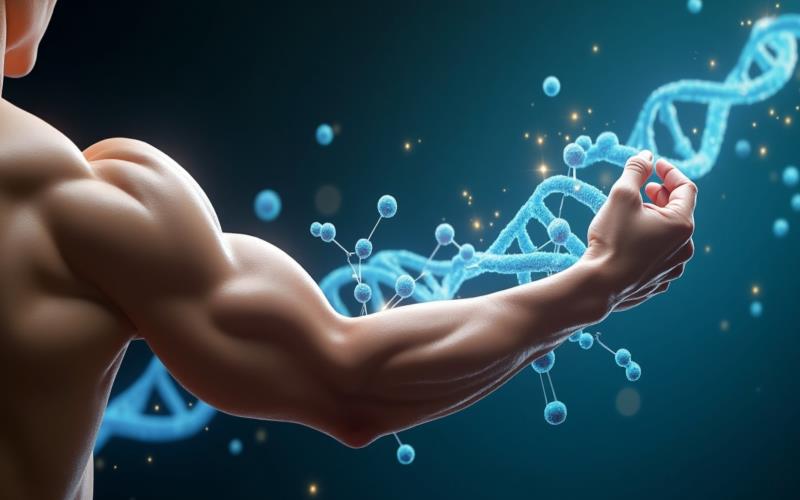
One of the most sought-after benefits of growth hormone for bodybuilders is its ability to promote muscle hypertrophy, or the increase in muscle size. GH works by stimulating the production of insulin-like growth factor 1 (IGF-1) in the liver. IGF-1 is a key player in muscle development, as it supports protein synthesis and stimulates the growth of muscle fibers.
When you’re strength training, what you’re really doing is creating microtears in your muscle tissue. GH ensures that these tears are repaired quickly, resulting in larger, denser muscles. Think of it as a construction crew, working tirelessly to rebuild and expand your physical framework.
Here’s how it helps in simple terms:
- Protein synthesis boost: GH increases the rate at which your body converts the protein you eat into new muscle tissue.
- Cell growth support: It promotes the development of new muscle cells, helping expand the overall structure of your muscles.
- Prolonged muscle-building effects: The IGF-1 released via GH activity sustains muscle growth over time, even after your workout ends.
Improved Fat Burning
One of the standout features of GH is how effectively it supports fat loss. It encourages your body to burn fat for fuel rather than relying solely on carbs or protein. GH shifts your metabolism into a fat-burning mode, making it an excellent ally for bodybuilders who want to lean out while maintaining muscle mass.
This process, often called lipolysis, occurs when GH signals your fat cells to release stored fat into the bloodstream. Once in the blood, these fat molecules are used for energy during training or even at rest. Essentially, GH turns your body into a more efficient fat-burning machine.
Key benefits for fat loss include:
- Preserves muscle: Unlike crash diets that can lead to muscle loss, GH helps you retain your hard-earned lean mass.
- Continuous fat burning: It increases your basal metabolic rate (BMR), meaning you burn more calories even while resting.
- Targets stubborn fat: Many bodybuilders notice GH helps with burning stubborn fat areas, like the lower abdomen.
For those prepping for a competition or simply aiming for a leaner physique, GH can tip the scales in your favor by helping you drop fat while keeping your muscles intact.
Faster Recovery Times
Recovery is just as important as training, if not more. Pushing your body’s limits without proper recovery can lead to burnout, injury, or stagnation in progress. This is where growth hormone shines. It speeds up the muscle repair process, making it easier to bounce back after grueling workouts.
GH enhances recovery by promoting the regeneration of muscle fibers and reducing inflammation. It also increases collagen production, which helps strengthen joints, tendons, and ligaments. This means you’re not only recovering your muscles but also reinforcing the connective tissues that support them.
Here’s what faster recovery looks like with optimal GH levels:
- Reduced soreness: GH minimizes delayed-onset muscle soreness (DOMS), so you can hit the gym sooner without feeling drained.
- Improved tissue repair: By boosting protein synthesis, it accelerates the healing of microtears caused by heavy lifting.
- Stronger support structures: Healthier joints and tendons mean fewer injuries and enhanced performance over the long term.
In essence, GH allows bodybuilders to train harder and more frequently without as much risk of overtraining. It’s like giving your body a head start on the road to recovery after every session.
When used wisely, growth hormone offers immense benefits for those looking to build muscle, shed fat, and recover efficiently. Each advantage plays into the broader mission of achieving peak physical performance and appearance.
The Risks and Misconceptions of Growth Hormone Usage
If growth hormone (GH) sounds like a fast-track ticket to a better physique, it’s essential to take a step back and look at the bigger picture. While GH offers undeniable benefits when used responsibly, overuse or misuse can open the door to serious health issues. Plus, there’s no shortage of myths surrounding its usage that can mislead even the most experienced athletes. Here’s the reality behind the risks, misconceptions, and long-term effects of GH.
Health Risks of Overuse or Misuse
Using too much of anything comes with consequences, and GH is no exception. When used improperly—whether through high doses or inconsistent cycles—it can disrupt the body’s natural systems in ways that are difficult to reverse.
Some common health risks linked to GH overuse include:
- Insulin resistance: High doses of GH can interfere with how your body regulates blood sugar. This increases the risk of developing diabetes, leaving your metabolism off-balance.
- Joint pain and swelling: GH can cause an unnatural buildup of fluids, creating swelling in joints or soft tissues. Over time, this can lead to chronic discomfort or reduced mobility.
- Heart complications: Prolonged GH misuse may enlarge internal organs, including the heart, which could lead to a condition known as cardiomegaly. An enlarged heart doesn’t necessarily pump blood efficiently and could pose serious health risks.
- Abnormal bone growth: Overuse of GH can trigger acromegaly—a disorder that causes abnormal bone growth, especially in the hands, feet, and face.
While these risks vary depending on individual factors like genetics, dosage, and frequency, they highlight the importance of cautious and informed use. Overloading your body with artificial GH might feel like a shortcut, but in reality, it’s more like playing a dangerous game with your health.
Debunking Common Myths
You’ve probably heard it before—claims that growth hormone is almost magical, capable of building massive muscles overnight or eliminating fat while you sit on the couch. Unfortunately, these myths can lead many people down the wrong path. Let’s set the record straight.
- “GH is a miracle solution for muscle growth.”
- Reality: GH supports muscle growth but requires proper training and nutrition. It’s not a standalone fix.
- “More GH means faster results.”
- Reality: Excessive doses increase side effects without proportional benefits.
- “GH works immediately.”
- Reality: Results take weeks or months, not days.
By tackling these myths, it becomes clear: GH is a tool, not a cure-all or cheat code. Success requires the basics—hard work, discipline, and proper guidance.
Long-Term Effects to Consider
The dangers of GH misuse aren’t just short-term. The choices you make today could have lasting effects on your health years, even decades, down the line.
- Pituitary dysfunction: Overusing synthetic GH may dampen the pituitary gland’s natural production over time. This can lead to a dependency on external GH and a hormonal system that no longer regulates itself.
- Organ enlargement: Excessive GH can cause tissues and organs, like the liver or kidneys, to grow beyond their normal size. Not only does this disrupt your internal balance, but it can affect how these organs function.
- Permanent disfigurement: Conditions like acromegaly due to long-term GH misuse lead to changes in bone density and structure. Facial features may become exaggerated, and hands or feet may appear abnormally large.
- Cancer risks: While not definitive, some studies suggest that GH misuse could increase the chances of tumor growth. This is especially concerning for individuals with a family history of cancers, as GH may accelerate cell regeneration in unwanted ways.
Think of your body as a high-performance car. Pushing it beyond its limits without proper care might deliver short bursts of power, but it also increases wear and tear that could lead to a total breakdown in the future. Proper management ensures you get peak performance without compromising long-term durability.
When it comes to growth hormone, knowledge—and caution—are your best allies. Staying informed about the risks and misconceptions can help you make smarter, safer decisions for your health and bodybuilding goals.
How to Safely Incorporate Growth Hormone into Bodybuilding
When it comes to using growth hormone (GH) in bodybuilding, safety is the number one priority. While GH has gained popularity for its potential to increase muscle mass, burn fat, and speed up recovery, it must be approached responsibly. Misuse can lead to severe, even life-altering consequences. If you’re considering GH as a part of your fitness journey, here’s how to do it the right way.
Consulting with a Healthcare Provider
Before touching a single dose of GH, it’s essential to consult a qualified healthcare professional, such as a doctor or endocrinologist. Why? Because GH impacts your entire hormonal system, and everyone’s body responds differently. A healthcare provider can evaluate whether GH is even necessary for you and ensure there are no underlying health conditions that could lead to complications.
Think of it this way: Would you put a race car on the track without a mechanic checking it first? Your body deserves the same level of care and expertise.
A professional can:
- Order blood tests to assess your natural GH levels, liver function, and insulin response.
- Provide guidance on how to use GH safely, minimizing risks like insulin resistance or joint swelling.
Skipping professional advice is like playing with fire. You might save time upfront, but the long-term consequences could be devastating.
Dosage and Timing Recommendations
When it comes to GH, more doesn’t mean better. In fact, overdoing it can quickly lead to serious problems. The right dosage and timing will vary based on factors like age, gender, body composition, and training goals. While only a qualified provider can give you an exact plan, there are general guidelines worth knowing.
- Typical doses: For performance enhancement, doses usually fall between 2-4 IU per day. Higher doses are rarely necessary and usually lead to side effects.
- Start low and adjust: Many professionals recommend starting with a smaller dose and gradually increasing it as your body adjusts.
- Timing matters: GH is often taken in the morning to align with the body’s natural hormone production. Some opt for splitting doses (morning and post-workout) to optimize fat loss and muscle recovery.
One of the biggest mistakes people make is inconsistency. GH works best when taken as part of a long-term strategy, not as a quick fix.
Nutrition and Training Synergy
GH won’t produce results on its own—your diet and training need to work hand in hand with it. Think of GH as a catalyst. It amplifies what you’re already doing, but if your approach to eating and exercise isn’t dialed in, you’re wasting time and money.
Optimize Your Diet:
- Protein is king: Aim for high-quality protein(lean meats, eggs, plant-based options) to support GH’s muscle-building effects.
- Stay carb-smart: Focus on complex carbs(oats, sweet potatoes) and avoid excessive sugars.
- Healthy fats are essential: Avocados, nuts, and omega-3s support hormonal balance.
- Hydration is key: GH impacts fluid balance, so drink plenty of water.
Train to Match GH’s Benefits:
- Prioritize recovery: GH accelerates repair, but you still need rest days.
- Heavy compound lifts: Squats, deadlifts, and bench presses maximize muscle engagement.
- Include cardio: Low-intensity cardio enhances fat-burning effects.
When your diet and exercise align with your GH plan, the results will speak for themselves.
Natural Alternatives to Boost Growth Hormone Levels
If you’re interested in increasing growth hormone (GH) naturally, you’re not alone. Many bodybuilders and fitness enthusiasts want the benefits of enhanced muscle growth, better recovery, and increased fat-burning—without relying on synthetic injections. The good news is that your lifestyle has a huge impact on GH production. By focusing on high-quality sleep, strategic exercise, nutrition, and stress management, you can support your body’s natural ability to produce GH. Let’s break it down.
High-Quality Sleep
One of the simplest yet most powerful ways to increase your growth hormone levels is by getting quality sleep. The majority of GH secretion happens during deep sleep, particularly in a stage called slow-wave sleep. This is when your body does the heavy lifting—repairing tissues, building muscle, and optimizing recovery.
Tips for better sleep:
- Aim for 7-9 hoursof uninterrupted sleep.
- Set a consistent bedtimeto regulate your internal clock.
- Sleep in a dark, cool room(blackout curtains help).
- Avoid screens before bed—blue light interferes with melatonin.
Skip sleep, and you’re robbing yourself of crucial GH peaks that help turn hard workouts into real results.
Proper Exercise and Training Methods
Certain types of workouts stimulate GH production more effectively than others. High-intensity training and heavy compound lifts are your go-tos because they create metabolic stress and muscle engagement that signals your body to ramp up GH release.
Training tips to maximize GH:
- Compound movements: Squats, deadlifts, bench presses, and pull-ups recruit multiple muscle groups.
- HIIT workouts: Sprint for 30 seconds, rest for 60 seconds, and repeat for 15-20 minutes.
- Lift heavy weights: Use a load that challenges you in the 6-10 rep range.
- Minimize rest between sets: 60-90 seconds keeps your heart rate elevated.
A mix of heavy lifting and HIIT a few times a week can naturally prime your body for higher GH production.
Nutrition That Supports Hormone Balance
What you eat plays a significant role in your body’s ability to produce hormones, including GH. Certain foods and eating strategies can encourage your body to release more GH.
Key nutrition strategies:
- Protein with every meal: Amino acids like arginine (found in chicken, fish, seeds) stimulate GH.
- Low-glycemic carbs: Sweet potatoes, quinoa, and leafy greens maintain steady insulin levels.
- Healthy fats: Avocados, olive oil, nuts, and fatty fish support hormone health.
- Intermittent fasting: Fasting for 12-16 hours may encourage GH release.
Hydration is just as important—dehydration can throw off your hormonal balance.
Stress Management Techniques
Stress kills your GH levels. When you’re stressed, your body releases cortisol, a hormone that directly opposes GH. Managing stress is essential to keep your growth hormone levels where they should be.
Simple stress-reducing techniques:
- Mindfulness or meditation: Even 10 minutes a day lowers cortisol.
- Light movement: Walking, yoga, or stretching reduces stress.
- Avoid overtraining: Balance intense sessions with recovery days.
- Disconnect occasionally: Set boundaries with work/social media.
Lowering stress isn’t just about feeling relaxed—it’s a critical part of keeping your GH levels high.
Conclusion
Growth hormone offers bodybuilders unique benefits, from muscle growth to fat reduction and quicker recovery. But it’s not without risks. Misusing GH can lead to serious health problems like insulin resistance, joint pain, or long-term organ issues. It’s a tool that needs care and responsibility.
Before considering GH, focus on natural methods like quality sleep, intense workouts, a balanced diet, and managing stress. These habits not only boost your hormone levels but also build a foundation for lasting health and fitness. Always prioritize safety and consult a professional if you’re thinking about adding GH to your routine.
Ultimately, shortcuts can never replace smart decisions and consistent effort. Work smarter, stay informed, and let your results reflect the dedication you’ve put in.
Leave a Reply
You must be logged in to post a comment.