
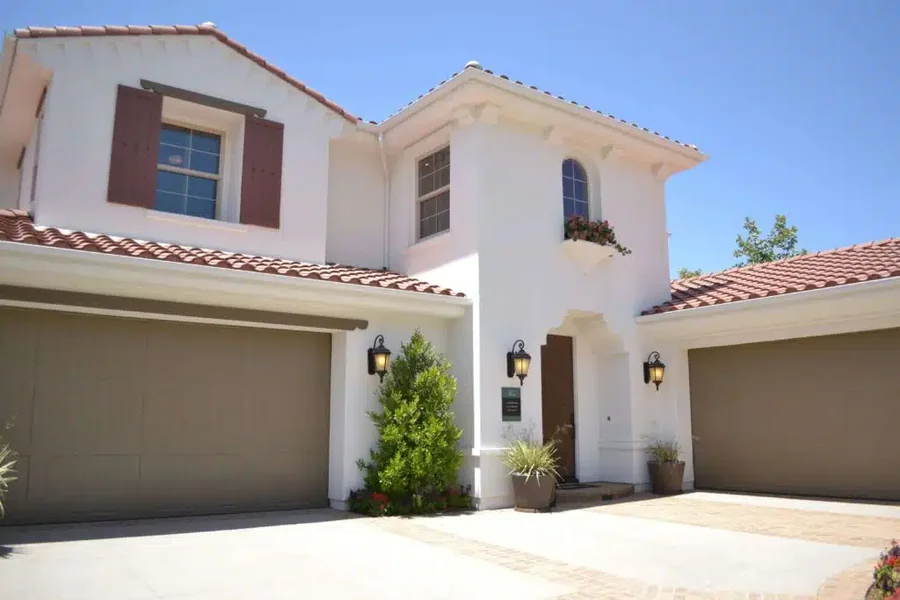
How Regular Garage Door Inspections Save Money for Homeowners
A garage door is more than just a convenient entry point for vehicles or a storage space; it is a significant component of a home’s security and functionality. Despite its importance, many homeowners tend to overlook the condition of their garage doors until a major problem arises. However, neglecting regular inspections can lead to avoidable damage and expensive repairs. Garage doors are subjected to daily wear and tear, weather fluctuations, and mechanical strain. We will explore how regular garage door inspections serve as a practical and cost-effective strategy for homeowners, helping them save money by catching problems early, improving efficiency, extending the door’s lifespan, preventing emergency breakdowns, and ensuring safety.
Why Routine Garage Door Inspections Make Financial Sense
1. Early Detection of Minor Problems Prevents Costly Repairs
Garage doors have numerous mechanical parts that work together to ensure smooth operation, including springs, cables, rollers, hinges, and tracks. Each of these components experiences stress over time and can develop faults. Without regular inspections, these small issues often go unnoticed until they evolve into serious malfunctions. For instance, garage door springs, which bear much of the tension during opening and closing, can gradually weaken or rust. If a spring breaks suddenly, it can cause significant damage to the door panels and opener mechanism. For reliable maintenance, it’s essential to hire a professional service like b&d garage doors Melbourne.
Repairing these consequential damages can be far more expensive than simply replacing a worn spring at an early stage. Similarly, loose or damaged cables might cause the door to become unbalanced, placing undue stress on the opener and other components. Regular inspections, such as those offered by trusted providers like http://titangaragedoors.ca/service-area/garage-door-repair-in-richmond/, can identify these warning signs, allowing homeowners to schedule minor repairs that prevent extensive damage and avoid costly repair bills.
In addition, worn rollers or misaligned tracks can cause the door to operate noisily or unevenly. Left unchecked, this can lead to parts wearing out faster or the door becoming stuck. Detecting such issues during routine inspections allows for timely adjustments or part replacements, which are far less costly and disruptive than major repairs. Addressing problems early is the most straightforward way to save money and maintain the door’s smooth function.
2. Maintaining Optimal Performance Reduces Energy Costs
Although it may not be immediately apparent, a garage door’s condition can impact a home’s energy efficiency. When the door’s seals or weather stripping degrade, gaps can form that let cold air in during winter or hot air during summer. This leads to heat loss or gain inside the garage, which often shares walls or ventilation with the home’s living spaces. As a result, heating and cooling systems work harder to maintain comfortable indoor temperatures, driving up energy consumption and utility bills.
Regular garage door inspections include checks for the integrity of the weather seal and door alignment. Fixing damaged or missing seals and ensuring the door closes tightly can significantly improve insulation. Some garage doors have insulation built into their panels, and an inspection can assess whether it remains effective or if parts need replacement. A well-sealed and properly functioning garage door helps regulate indoor temperature, especially when the garage is attached to the house, thereby reducing energy waste.
Over time, these small savings on energy bills add up. By investing in routine inspections and maintenance, homeowners can notice a noticeable difference in their utility expenses, resulting in substantial monetary savings. This benefit makes regular inspections a smart financial decision beyond just mechanical upkeep.
3. Extending the Lifespan of the Garage Door System
Garage doors are costly to replace, often involving not just the door itself but also the opener, hardware, and sometimes structural repairs. The better a door is maintained, the longer it lasts before needing replacement. Regular inspections are essential for prolonging the life of all garage door components. During an inspection, technicians or homeowners can identify parts that show signs of wear, such as rusted springs, cracked rollers, or frayed cables, and address them before failure occurs.
Lubricating moving parts during inspections reduces friction, preventing premature wear and tear. Tightening loose bolts and adjusting door balance prevents uneven strain on components. These small actions, when done consistently, keep the entire system working harmoniously and reduce the risk of sudden breakdowns.
Extending the lifespan of a garage door means homeowners can delay the significant expense of a full door replacement. Even if repairs or part replacements are necessary during the inspection, they tend to cost less than a total overhaul. Maintaining a garage door properly also preserves the home’s curb appeal and resale value, which can be financially beneficial when selling the property.
4. Avoiding Emergency Repair Costs and Inconvenience
Unexpected garage doors that break down are the worst and the hardest to deal with especially when one is in a rush to go somewhere. Emergency repairs may be at high cost also, in addition to extra labor charges due to working at night or on same-day basis, parts may be subject to expedited shipment costs. Also, a faulty garage door may interfere with your regular activity and will be an inconvenience and possible source of security of the garage, too.
Arranging regular check-up would prevent any sudden problems causing a system breakdown as it will be perceived in time. Such preemptive strategy also makes it possible for the homeowners to design the maintenance costs at their own convenient time slots and elude the financial toll of an emergency fix. In addition, a working garage door will assist in avoiding problems like damage of the vehicles due to improper functioning door or theft inside due to a stolen access point.
Avoiding the need for emergency services is not just a matter of saving money, but also of preserving peace of mind. Knowing the garage door is in good condition allows homeowners to focus on other priorities without worrying about sudden, costly surprises.
Every six months homeowners should run through garage door inspection so that they could save their money in the long run. They enable timely detention of problems, increase the efficiency of energy, the service life of the door, eliminate unexpected repair costs, and they are safe. Through making regular maintenance a large homeowners investment, it is possible to secure an asset and a budget to make what could be considered a minor maintenance end into a serious capital income. By giving priority to these inspections, it becomes easier and economically viable to maintain homes, and the experience yields long term peace and value.
Leave a Reply
You must be logged in to post a comment.