
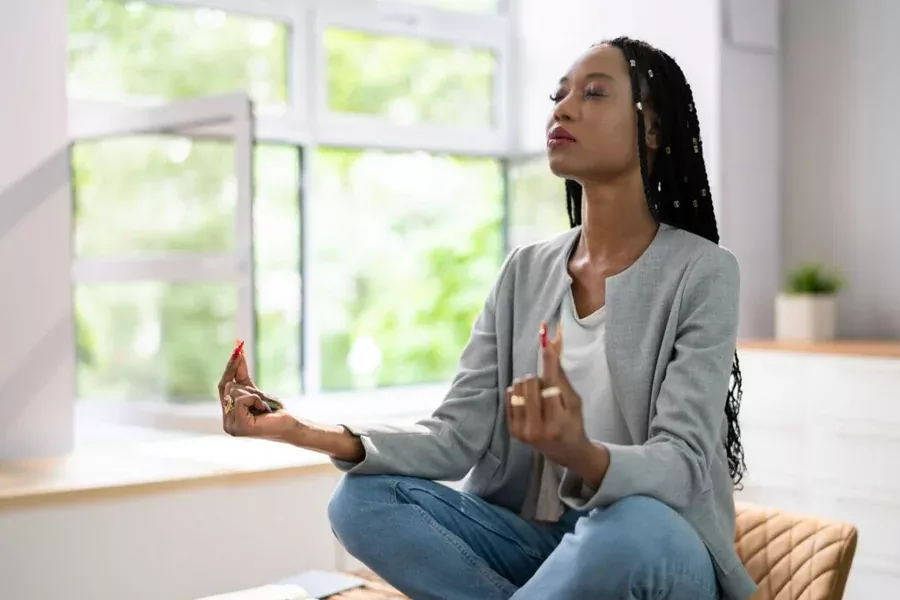
Purpose Creates Calm: Finding Peace Through Meaningful Living
Most people think peace arrives when life finally gets quiet. The inbox clears. The bills shrink. The family calendar settles down. The future feels less foggy. Then, finally, the mind will relax.
But for a lot of people, calm does not begin around them. It begins inside them, when they know what they are moving toward.
That is why purpose matters so much. A clear reason for what you are doing acts like a filter for everything else. It helps you decide what deserves your energy and what does not. Even practical tools can support that feeling of control. If financial uncertainty is one of the loudest sources of stress in your life, using a personal loan payment estimator can make the unknown feel more manageable. When the numbers become clearer, your nervous system often gets a chance to breathe.
Calm Is Not Just Relaxation
A lot of advice about anxiety focuses on slowing down, breathing deeper, and taking breaks. Those things absolutely help. But calm is not only the absence of pressure. Sometimes calm is the presence of direction.
Think about the difference between being busy and being committed. Busy feels scattered. Committed feels organized, even when your day is full. You may still have deadlines, errands, and hard conversations, but they affect you differently when they fit into a bigger picture you actually care about.
Purpose changes the emotional weight of effort. A long day can feel draining when it seems random, but meaningful when it connects to a personal value, a family goal, a creative dream, or a deeper sense of contribution. Researchers and health organizations often describe purpose as part of psychological wellbeing, not as some extra bonus for people who already feel great. It is part of what helps people feel steady in the first place. Mind’s guidance on mental wellbeing also highlights the value of taking things step by step, connecting with others, and building routines that support everyday wellbeing.
Purpose Reduces Decision Fatigue
One of the sneakiest forms of stress is not dramatic at all. It is the constant drip of tiny decisions.
- Should I say yes to this project?
- Should I spend money on this right now?
- Should I go out tonight or rest?
- Should I keep trying to please everyone?
- Should I change jobs, change habits, change plans, change everything?
When you do not have a clear why, every choice feels like a fresh debate. Your brain treats each question like a high stakes puzzle. That creates mental traffic. By the end of the day, even small things can feel weirdly overwhelming.
Purpose shortens the conversation. It does not answer every question perfectly, but it gives you criteria. If your purpose is to build a more stable home life, choices that protect your time and energy become easier to spot. If your purpose is healing, then sleep, boundaries, therapy, exercise, and saying no stop looking selfish and start looking necessary. If your purpose is freedom, then simplifying your schedule or getting serious about debt may no longer feel restrictive. It may feel aligned.
This is where peace often begins. Not in having fewer options, but in having a stronger way to evaluate them.
Your Nervous System Likes Clarity
There is a reason uncertainty feels exhausting. When your mind cannot tell what matters most, it tends to keep scanning for threats, mistakes, and missed opportunities. Overthinking thrives in that environment.
Purpose interrupts that pattern because it gives the brain a focal point. Instead of circling every possible outcome, you start asking a more grounding question: what serves the life I am trying to build?
That question does not magically erase anxiety, but it often lowers the volume. You stop treating every inconvenience like a life verdict. You stop assuming every delay means failure. You become less reactive because you are less directionless.
This also explains why vague goals can create stress instead of relieving it. Telling yourself to just be happier or get your life together is too slippery. Purpose works best when it becomes concrete. The National Center for Biotechnology Information describes purpose in life as tied to meaning, direction, and goals, which helps explain why it can influence everyday wellbeing in such a practical way. NCBI’s overview of subjective well-being and purpose in life offers a useful explanation of how purpose fits into overall wellbeing.
Peace Comes From Alignment, Not Perfection
A lot of anxious people are actually responsible people who care deeply. They want to do life well. The problem is that they often confuse peace with perfect performance.
But peace does not require getting everything right. It requires living in a way that matches what matters most.
That means you can still be in a season of rebuilding and feel calmer than you did in a season that looked successful from the outside. You can still be healing, grieving, changing careers, paying off debt, or learning how to care for yourself and feel more grounded than before. Why? Because inner stability does not only come from results. It comes from coherence.
When your actions line up with your values, your mind spends less time fighting itself.
That inner conflict is often what wears people down. Saying family matters most, but never being present. Saying health matters, but treating rest like laziness. Saying financial stability matters, but avoiding every uncomfortable money conversation. Misalignment creates noise. Purpose helps clear it.
Purpose Makes Ordinary Routines More Powerful
Not every purpose has to be huge. You do not need a grand mission statement. Sometimes purpose is simply knowing what this season is asking of you.
- Maybe your purpose right now is creating stability for your children.
- Maybe it is recovering from burnout.
- Maybe it is becoming trustworthy with money.
- Maybe it is finishing something you have been afraid to start.
- Maybe it is learning how to build a life that does not depend on constant approval.
Once you know that, everyday habits stop feeling random. Making dinner, taking a walk, reviewing your budget, going to bed earlier, or declining an invitation can all become acts of peace. They are no longer isolated chores. They are votes for the life you want.
That shift matters because calm is often built through repetition. Small actions feel less draining when they are connected to meaning. They feel less like punishment and more like participation.
How to Find Purpose When You Feel Scattered
If you feel mentally noisy right now, do not start by asking what your life purpose is in some giant, dramatic sense. Start smaller.
Ask yourself:
- What matters most to me in this season?
- What kind of life am I trying to protect or build?
- What keeps pulling at my attention because it truly matters, not just because it is urgent?
- Where do I feel the most internal friction?
- What would make my daily choices feel more honest?
Then pick one anchor. Not ten. One.
A clear purpose is powerful partly because it simplifies. It gives your mind somewhere solid to stand. From there, you can build routines, boundaries, and decisions around it.
That is often how calm grows. Quietly. Practically. Not because life suddenly stops being hard, but because your mind is no longer wandering without a compass.
Purpose creates calm because it gives chaos a center. And sometimes that center is the very thing that helps you come back to yourself.
Leave a Reply
You must be logged in to post a comment.