
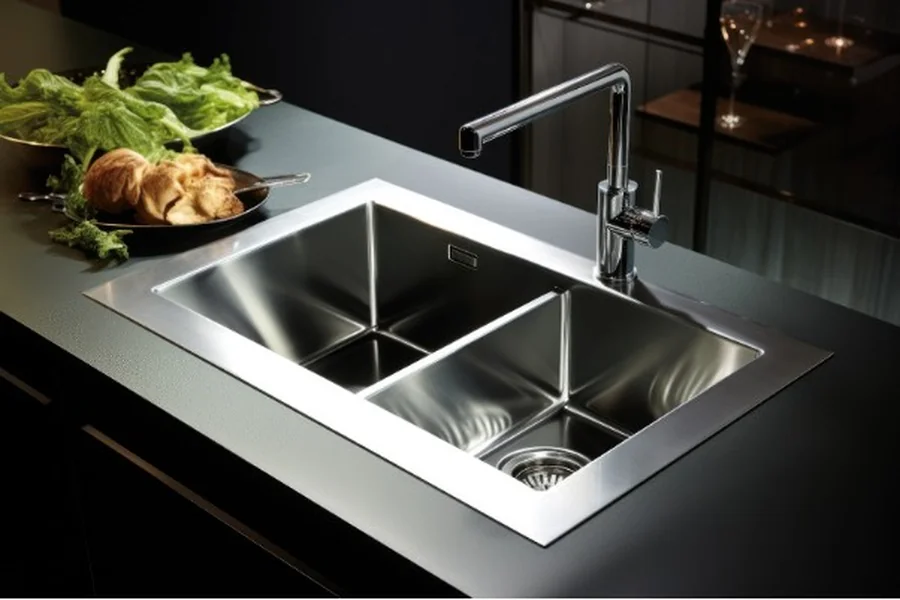
Stainless Steel Benchtops vs Other Countertop Materials
Choosing the right benchtop is one of the most important decisions when designing or renovating a kitchen, commercial workspace, or food preparation area. Benchtops are not only used every day, but they also influence hygiene, durability, and overall appearance. Among the many options available today, stainless steel benchtops continue to stand out, especially in professional and modern settings.
At the same time, materials such as granite, quartz, laminate, timber, and solid surface alternatives remain popular in residential homes. Understanding how stainless steel compares with these options helps homeowners and business owners make confident and practical decisions.
Why Benchtop Material Matters
A stainless steel benchtop is exposed to constant wear and tear. It faces heat from cooking, moisture from cleaning, sharp objects, spills, and heavy appliances. Over time, poor material choices can lead to stains, cracks, warping, and hygiene issues.
Beyond durability, benchtops also affect how a space looks and feels. A well-chosen surface improves workflow, makes cleaning easier, and adds long-term value to a property. For commercial kitchens, food safety and compliance are also major considerations.
This is why comparing materials carefully is essential before investing.
What Makes Stainless Steel Benchtops Unique
Stainless steel benchtops are widely used in commercial kitchens, hospitals, laboratories, and food processing facilities. In recent years, they have also become more common in modern homes.
One of their main strengths is hygiene. Stainless steel is non-porous, meaning it does not absorb liquids, bacteria, or odours. This makes it ideal for food preparation areas where cleanliness is critical.
Durability is another major advantage. Stainless steel resists heat, moisture, rust, and corrosion. Hot pans can be placed directly on the surface without causing damage, and water exposure does not lead to swelling or cracking.
In terms of appearance, stainless steel offers a sleek and contemporary look. It reflects light and creates a professional, minimalist atmosphere that suits modern interiors.
Stainless Steel vs Granite Benchtops
Granite is a natural stone known for its luxurious appearance and unique patterns. Each slab is different, making every benchtop one of a kind.
Compared to stainless steel, granite offers more visual warmth and natural texture. Many homeowners prefer it for traditional or high-end kitchen designs.
However, granite is porous and requires sealing to prevent staining. Without proper maintenance, it can absorb oils, liquids, and food residues. Stainless steel does not have this issue and remains hygienic without special treatments.
Granite is also more vulnerable to cracking if heavy objects are dropped. Stainless steel, on the other hand, is flexible and impact-resistant, making it more forgiving in busy environments.
Stainless Steel vs Quartz Benchtops
Quartz benchtops are engineered surfaces made from crushed stone and resin. They are popular for their consistency, colour options, and low maintenance.
Like stainless steel, quartz is non-porous and resistant to stains. It is easy to clean and does not require sealing.
However, quartz is sensitive to high heat. Placing hot cookware directly on the surface can cause discolouration or cracking. Stainless steel handles heat effortlessly, making it more suitable for serious cooking.
Quartz also lacks the industrial durability of stainless steel in commercial settings. While it works well in homes, it may not perform as well in heavy-use kitchens.
Stainless Steel vs Laminate Benchtops
Laminate benchtops are among the most affordable options available. They come in many colours and patterns, including designs that imitate stone or wood.
For budget-conscious buyers, laminate offers good visual variety at a low price. It is lightweight and easy to install.
However, laminate is far less durable than stainless steel. It can be damaged by heat, moisture, and sharp objects. Once chipped or swollen, it is difficult to repair.
Stainless steel costs more upfront but lasts significantly longer. Over time, it often proves more cost-effective due to reduced replacement and repair needs.
Stainless Steel vs Timber Benchtops
Timber benchtops bring warmth and character to kitchens. They suit rustic, farmhouse, and natural interior styles.
Wood is pleasant to touch and creates a welcoming atmosphere. Many homeowners appreciate its traditional appeal.
However, timber is porous and requires regular oiling and sealing. It is sensitive to water, stains, and bacteria if not properly maintained. Scratches and dents are also common.
Stainless steel offers the opposite experience. It is highly resistant to moisture, requires minimal maintenance, and remains hygienic without special treatments. While it lacks natural warmth, it delivers unmatched practicality.
Maintenance and Cleaning Comparison
Maintenance is one of the biggest deciding factors for many buyers.
Stainless steel benchtops are extremely easy to clean. Warm water, mild detergent, and a soft cloth are usually sufficient. They do not require sealing, polishing, or special treatments.
Granite and timber need periodic sealing. Quartz requires careful heat protection. Laminate must be protected from moisture.
Stainless steel may develop fine scratches over time, known as patina. Many users see this as part of its character. In professional environments, brushed finishes help hide minor marks.
Overall, stainless steel offers the simplest long-term maintenance.
Suitability for Commercial and Residential Use
In commercial kitchens, stainless steel is the standard. Its hygiene, durability, and compliance with food safety regulations make it the preferred choice.
In residential homes, stainless steel is becoming more popular, especially in contemporary and open-plan kitchens. Home chefs who cook frequently often appreciate its performance and reliability.
However, some homeowners still prefer stone or timber for visual warmth. The choice often depends on lifestyle, cooking habits, and design preferences.
For households focused on functionality and cleanliness, stainless steel is an excellent fit.
Design Flexibility and Customisation
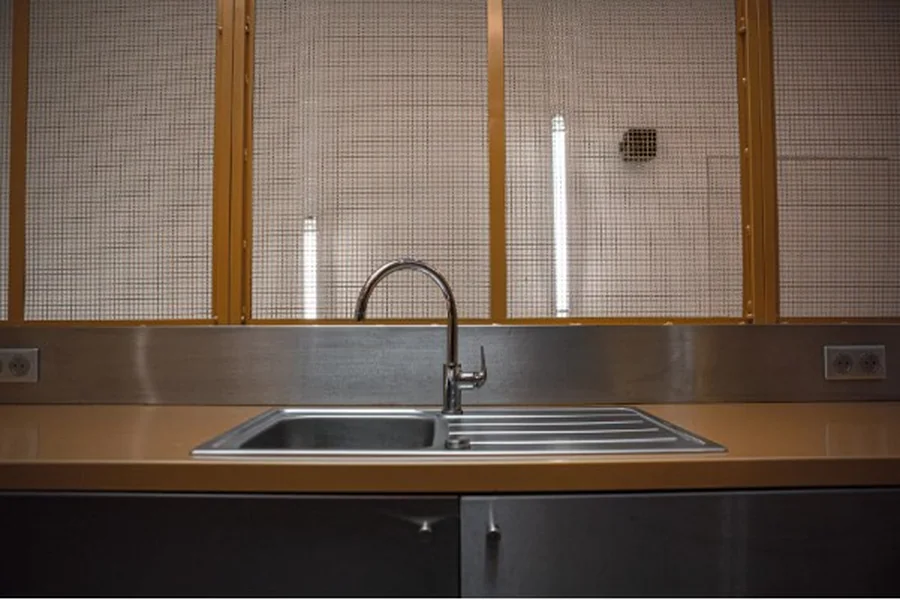
Modern stainless steel benchtops are highly customisable. They can be fabricated with integrated sinks, splashbacks, drainage grooves, and custom edges.
This flexibility allows designers to create seamless and highly functional workspaces. It is especially valuable in commercial and professional-grade kitchens.
While stone and timber also offer customisation, stainless steel excels in integrated and hygienic designs.
Final Thoughts
Stainless steel benchtops stand out for their hygiene, durability, heat resistance, and low maintenance. Compared to granite, quartz, laminate, and timber, they offer unmatched practicality, especially in busy kitchens and commercial environments.
While other materials may provide more natural warmth or decorative appeal, stainless steel delivers long-term reliability and professional performance. For users who value cleanliness, functionality, and durability, it remains one of the best countertop choices available.
Choosing the right benchtop ultimately depends on lifestyle, budget, and design goals. Understanding these differences ensures a decision that remains satisfying for many years.
Leave a Reply
You must be logged in to post a comment.