
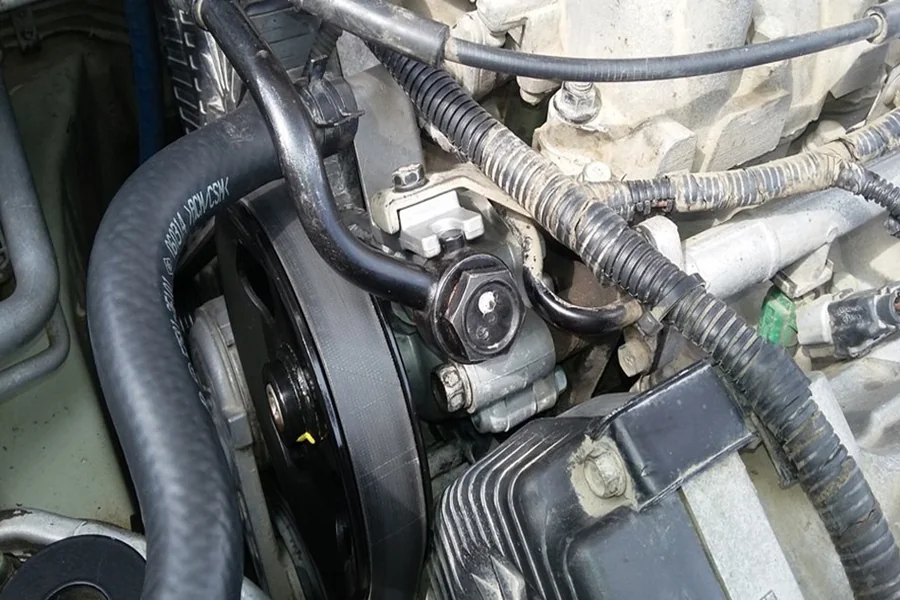
Steering Pump Replacement: What You Need to Know
Replacing a faulty power steering system is key for your car’s performance and safety. A bad system makes steering hard, which can cause accidents. This guide will show you how to replace the steering pump, including the steps, tools, and safety tips.
Knowing how important a good power steering system is crucial. It makes driving better and keeps you safe on the road.
Key Takeaways
- Understand the signs of a failing power steering system.
- Learn the steps involved in steering pump replacement.
- Discover the tools and parts required for the replacement.
- Find out how to troubleshoot common issues during the process.
- Gain insights into maintaining your vehicle’s power steering system.
What is a Steering Pump?
A steering pump is key for smooth steering in cars. It’s a main part of the power steering system, found in most modern vehicles.
Definition and Function
The steering pump, also known as the power steering pump, creates hydraulic pressure for the steering system. Its main job is to make steering easier, so you don’t have to push hard to turn the wheels.
The pump circulates power steering fluid to create the needed pressure. This is important for smooth and effortless steering, especially in tight spots or at slow speeds.
Types of Steering Pumps
There are many types of steering pumps, each with its own features and uses. The main types are:
- Hydraulic Steering Pumps: These are the traditional kind, used in most cars with hydraulic power steering.
- Electric Steering Pumps: Also known as electric power steering (EPS) pumps, they’re getting more common. They’re efficient and use less energy, making them popular in newer cars.
- Variable Flow Steering Pumps: These pumps adjust their output based on speed and steering needs. They offer better performance and efficiency.
Knowing the type of steering pump in your car is crucial for steering pump repair and replacement. The cost of a steering pump can change a lot, depending on the type and quality. This affects the overall steering pump cost.
Signs You Need a Steering Pump Replacement
Knowing the early signs of a steering pump failure can save you from costly repairs later. Your vehicle’s steering pump is key to the power steering system. When it starts to fail, you’ll notice several signs.
Noisy Operation
A common sign of a failing steering pump is unusual noise when you turn the steering wheel. A whining or groaning sound means the pump might not be working right. This noise usually comes from worn-out or damaged parts inside the pump.
The noise might get louder when you turn the steering wheel to the extremes. This is because the pump works harder in these positions, showing any weakness more clearly.
Fluid Leaks
Fluid leaks are another big sign that your steering pump needs to be replaced. Power steering fluid is vital for smooth steering. If you see fluid dripping from the pump or around it, there’s a problem.
Low fluid levels can wear down the pump and other parts, leading to more damage. Checking your power steering fluid regularly can help spot leaks early.
Difficulty Steering
Having trouble steering, especially at low speeds, is a big warning sign. If the pump isn’t pressuring enough, the steering wheel gets harder to turn. This makes it tough to maneuver in tight spaces or park.
In some cases, the steering might feel stiff or unresponsive, which is risky, especially at high speeds. If you notice these symptoms, get your steering system checked by a pro. They can tell if you need a steering pump replacement.
Being aware of these signs and acting fast keeps your vehicle’s steering system working well. If you’re seeing these issues, look for steering pump services from a trusted provider. This ensures the best outcome.
Diagnosing Steering Pump Issues
To figure out if your steering pump needs to be replaced, first look for symptoms. You need to observe, test, and sometimes get a professional’s opinion. Knowing the signs and doing thorough checks helps you decide if you need a new steering pump.
Visual Inspections
Start by visually checking your steering pump. Look for leaks, fluid drips, or stains. Also, check the belts and pulleys for wear. Low or dirty fluid levels can signal a problem.
“A simple visual check can reveal a lot about the health of your steering pump,” says a leading automotive expert. “It’s a good practice to regularly inspect your vehicle’s steering system components.”
Road Tests
Next, take your car for a spin. Listen for odd noises, feel for vibrations, and check if steering is hard or unresponsive. Whining or groaning sounds when turning can mean the pump is failing.
- Check for any unusual noises when steering.
- Pay attention to vibrations or difficulties when turning.
- Monitor the steering wheel’s responsiveness.
Professional Assessments
Even with your own checks, some problems might need a pro’s touch. A mechanic can do detailed tests and check other parts. If you’re not sure or if issues keep coming back, get a professional’s help.
Choosing professional steering pump replacement ensures it’s done right. Experts have the right tools and know-how to fix it fast and safely.
If you’re looking for affordable steering pump replacement, compare prices and services. But, be wary of very cheap deals. They might mean lower quality service or parts.
The Steering Pump Replacement Process
Knowing how to replace a steering pump is key to keeping your car’s steering smooth. This job has several important steps. Each step must be done carefully to avoid harming your car’s steering system.
Tools Needed
Before you start, make sure you have all the right tools and parts. Having the correct tools makes the job easier and helps avoid problems.
- Socket set: For removing bolts and fittings.
- Adjustable wrench: Useful for handling various sizes of bolts and nuts.
- Pliers and punch: For removing and installing certain components.
- New steering pump: Ensure it’s compatible with your vehicle’s make and model.
- Power steering fluid: To refill the system after replacement.
Step-by-Step Replacement Guide
Replacing the steering pump needs careful attention. Follow these steps for a successful steering pump replacement.
- Disconnect the Battery: Start by disconnecting the negative terminal of the battery to prevent any accidental engine starts.
- Remove the Serpentine Belt: Use a socket to release the tension on the belt and slide it off the steering pump pulley.
- Disconnect the Power Steering Lines: Be prepared for fluid spillage by having a drip pan in place. Use a wrench to loosen the fittings.
- Remove the Steering Pump Mounting Bolts: Carefully remove the bolts holding the pump in place, taking note of their positioning for reinstallation.
- Install the New Steering Pump: Mount the new pump, ensuring it’s securely fastened with the mounting bolts.
- Reconnect the Power Steering Lines: Tighten the fittings securely to prevent leaks.
- Replace the Serpentine Belt: Put the belt back in place and tension it according to the manufacturer’s specifications.
- Refill the Power Steering Fluid: Use the recommended type of fluid for your vehicle.
- Bleed the System: Turn the steering wheel lock-to-lock several times to remove any air bubbles.
- Reconnect the Battery: Reconnect the negative terminal.
By following these steps, you can do a steering pump replacement like a pro. This will make your car’s steering system work perfectly again.
Choosing the Right Steering Pump
Choosing the right steering pump is key to your vehicle’s performance. The steering pump helps with smooth steering. Replacing it needs careful thought.
When picking a steering pump, consider type, brand, and cost. Knowing these helps make a choice that fits your car and budget.
OEM vs. Aftermarket
Deciding between OEM and aftermarket pumps is a big choice. OEM pumps fit your car perfectly and work well.
Aftermarket pumps might be cheaper. But, their quality can differ a lot between brands.
| Feature | OEM Steering Pump | Aftermarket Steering Pump |
| Quality | High, matches original specifications | Variable, depends on manufacturer |
| Cost | Generally higher | Can be lower, competitive pricing |
| Warranty | Typically backed by manufacturer’s warranty | Warranty varies by brand |
Brand Recommendations
Many brands are known for quality and steering pump services. Bosch, TRW, and Saginaw are top choices.
“Choosing the right steering pump involves considering both the type and brand. OEM options offer guaranteed compatibility, while aftermarket brands can provide cost-effective alternatives.”
Expert Mechanic
It’s important to research and compare brands. Read reviews and ask for advice to find the best pump for your car.
Cost of Steering Pump Replacement
Knowing the cost of replacing a steering pump is key for car owners. The price can change based on the car type, labor costs, and the quality of parts used.
Average Pricing
The cost to replace a steering pump can be between $300 and $1,000. This range comes from different car models and labor prices in various places.
Here’s a detailed look at what you might pay for a steering pump replacement:
| Component | Average Cost |
| Steering Pump Unit | $200 – $600 |
| Labor Costs | $100 – $400 |
| Additional Parts (e.g., fluids, belts) | $50 – $100 |
| Total Cost | $350 – $1,100 |
Factors Influencing Costs
Several things can change the total cost of replacing a steering pump. These include:
- Vehicle Make and Model: Luxury cars or those with complex steering systems cost more to replace.
- Labor Rates: Labor prices can differ a lot based on where you are and the mechanic’s rate.
- Quality of Replacement Parts: Using OEM parts is pricier but meets the manufacturer’s standards.
Understanding these factors helps car owners plan for the cost of replacing a steering pump. This way, they can make smart choices for their car’s upkeep.
DIY vs. Professional Replacement
Replacing a steering pump can be a tough task. Many wonder if they should do it themselves or get a professional. The choice depends on your mechanical skills, how complex the job is, and the risks involved.
Pros and Cons of DIY Replacement
Doing it yourself can save money and teach you a lot. But, it also has risks like installing it wrong, which can harm your car’s steering.
- Advantages:Potential cost savings on labor
- Personal satisfaction of completing the task independently
- Disadvantages:Risk of incorrect installation
- Lack of warranty on the replacement work
When to Seek Professional Help
If you’re not sure or lack mechanical skills, getting professional steering pump replacement is best. Experts have the right tools and know-how to do the job right and fast.
| Consideration | DIY Replacement | Professional Replacement |
| Cost | Lower upfront cost | Higher cost due to labor charges |
| Expertise Required | Mechanical knowledge and DIY experience | Professional training and experience |
| Warranty | No warranty on labor | Warranty typically included on parts and labor |
| Time and Effort | Significant time and effort required | Quick and efficient service |
The choice between DIY and affordable steering pump replacement by a pro depends on your confidence and the situation. If you want ease, reliability, and peace of mind, going pro is usually the best choice.
Maintenance Tips for Steering Systems
Keeping your steering system in good shape can make your car run better and last longer. A well-kept steering system means smoother and safer driving. It also helps avoid expensive repairs later on.
Regular Inspections
Regular checks are key to keeping your steering system in top shape. Look for signs of wear like cracks in hoses, loose connections, or belts that are too worn. Catching problems early can save you from bigger headaches later.
- Check the steering pump and its parts for damage or leaks.
- Look for cracks or wear on the steering belt.
- Make sure all connections are tight and secure.
Fluid Checks and Changes
Checking and changing your steering fluid is crucial. The fluid keeps the system running smoothly by reducing friction and preventing rust. But, it can get dirty over time and lose its effectiveness.
To keep your steering system running well:
- Regularly check the steering fluid level and add more as needed.
- Change the steering fluid as your car’s maker recommends.
- Use the right type of steering fluid for your car.
| Maintenance Task | Frequency | Benefit |
| Steering Fluid Check | Every 5,000 miles | Ensures proper lubrication |
| Steering Fluid Change | Every 30,000 miles | Prevents contamination and corrosion |
| System Inspection | Every 10,000 miles | Identifies potential issues early |
By sticking to these maintenance tips, you can make your steering system last longer. Regular checks and fluid changes are easy steps to keep your car safe and reliable. They’re simple but effective ways to maintain your steering system.
Common Mistakes During Replacement
Replacing a steering pump can be tricky. It’s important to avoid common mistakes to save time and money. Whether you’re a DIY expert or a pro, knowing these mistakes can help a lot.
Over-tightening Connections
One big mistake is over-tightening. This can damage threads or even crack parts. Always follow the manufacturer’s tightening guidelines for steering pump replacement.
| Component | Tightening Torque (Nm) | Recommended Tool |
| Steering Pump Mounts | 40-50 | Torque Wrench |
| Hydraulic Lines | 20-30 | Socket Wrench |
Skipping Pre-checks
Not doing pre-checks can cause problems. An experienced steering pump replacement tech always does these checks first. They look for issues before starting.
Pre-checks include checking parts, looking for leaks, and making sure tools are ready. This helps avoid surprises during the job.
Enhancing the Lifespan of Your Steering Pump
To make your steering pump last longer, you need to install it right, keep it up, and avoid common errors. Knowing what affects its life helps you take steps to keep it running well for years.
Best Practices
Following the best practices is key to a long-lasting steering pump. Regular fluid checks keep the system lubricated and clean. Also, monitoring the system’s pressure stops the pump from getting overloaded.
Experts say, “Proper maintenance is key to extending the life of your steering pump.”
“Regular inspections can help identify potential issues before they become major problems, saving you from costly repairs down the line.”
- Ensure proper installation to avoid misalignment and excessive wear.
- Use the correct type of fluid recommended by the manufacturer.
- Regularly inspect the system for signs of leaks or damage.
Avoiding Common Pitfalls
Staying away from common mistakes is just as important as following best practices. One big mistake is over-tightening connections, which can damage the pump. Also, avoid neglecting regular maintenance, as it can shorten the pump’s life and performance.
When looking to replace your pump, knowing the steering pump cost is crucial. Prices vary a lot depending on the pump’s type and quality. Choosing the best steering pump replacement ensures it fits your vehicle’s needs and lasts long.
By knowing these common problems and taking action, you can greatly improve your steering pump’s life. This keeps your vehicle’s steering system running smoothly and efficiently.
Frequently Asked Questions about Steering Pump Replacement
Replacing a steering pump can seem scary, and many questions come up. Knowing the answers can help you make smart choices for your car’s care.
Replacement Frequency
How often you need to replace a steering pump depends on your car’s type and how much you drive it. Usually, a steering pump lasts between 50,000 to 100,000 miles. But, it’s best to check your car’s manual or talk to a mechanic for a precise answer. Keeping up with regular maintenance, like fluid checks, can also extend your steering pump’s life.
Driving with a Faulty Steering Pump
It’s not safe to drive with a bad steering pump. A broken pump can make steering hard, which might cause accidents. If your pump is acting up, like making noise or leaking fluid, get it checked and fixed by a pro. Getting a professional to replace your steering pump ensures it’s done right and safely.
Understanding the need for steering pump replacement and getting help when needed keeps your car running well and safely.
FAQ
How often should I replace my steering pump?
The need to replace your steering pump depends on your vehicle and how you drive. Generally, it lasts between 50,000 to 100,000 miles. Always check your vehicle’s manual or talk to a mechanic for specific advice.
Can I drive with a faulty steering pump?
Driving with a bad steering pump is not safe. It can make steering hard, especially at high speeds. This can also damage your vehicle’s steering system, leading to expensive repairs later.
What are the signs that my steering pump needs to be replaced?
Look out for signs like a noisy pump, fluid leaks, and hard steering. If you see these, get your pump checked by a mechanic. They can tell you what to do next.
How much does steering pump replacement cost?
The cost to replace a steering pump varies. It depends on your vehicle, the pump type, and labor. Expect to pay between $200 to $500 for the pump, plus $100 to $300 for labor. Get a quote from a mechanic for the total cost.
Can I replace my steering pump myself?
Replacing a steering pump yourself is possible but tricky. It needs special tools and knowledge. If you’re not good at DIY car repairs, it’s safer to let a mechanic do it.
What are the benefits of professional steering pump replacement?
Getting a professional to replace your steering pump has many benefits. They offer a warranty, a proper diagnosis, and a job done right. Plus, they can give you tips on keeping your steering system in good shape.
How can I maintain my vehicle’s steering system?
Keep your steering system in check with regular inspections and fluid checks. Changing fluids as needed is also important. Fixing problems quickly helps your pump last longer and keeps your steering smooth.
Leave a Reply
You must be logged in to post a comment.