
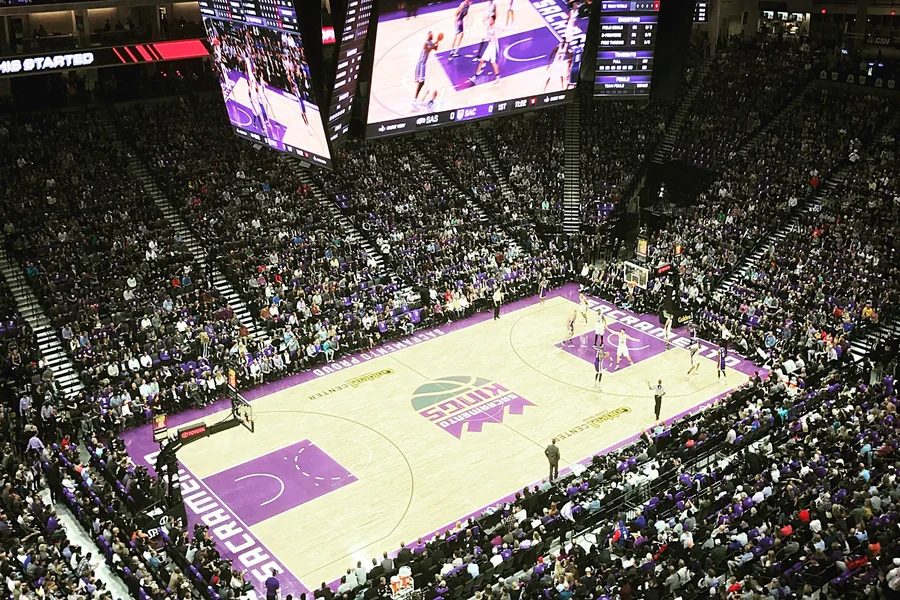
The Business of Stardom: Why Making the Starting Lineup is the Ultimate Metric for Athlete Branding in 2026
In 2026, athlete stardom is no longer defined solely by box scores, trophies, or highlight reels. The modern sports economy values visibility, reliability, and confirmed relevance above all else. At the center of that valuation system sits one deceptively simple designation: starter. Making the starting lineup has evolved into a financial signal, a branding filter, and a real-time confirmation of market confidence that directly influences contracts, sponsorship activation, media narratives, and long-term net worth trajectories across global sports.
The Starter Premium: Economics of the First Five
The opening five on the floor represents far more than a tactical basketball decision. In the 2026 sports economy, starter designation functions as a monetization trigger that directly impacts endorsement clauses, broadcast exposure, social media algorithms, and consumer behavior. Marketing agencies, sponsors, and financial analysts treat the starting lineup as the earliest confirmation that a high-value athlete asset will receive maximum exposure within a given game window. This reality has reshaped valuation models, placing disproportionate importance on consistency, minutes, and usage—metrics that only starter status reliably guarantees.
When an athlete is announced as a starter, social media engagement spikes almost immediately across platforms such as Instagram, TikTok, X, and Weibo. Algorithms respond to the surge in real-time interaction, pushing sponsored content tied to those athletes into premium visibility slots. Jersey sales show same-day conversion increases when players are confirmed as starters, particularly among casual fans who associate starter status with legitimacy and importance. Digital impressions also cluster heavily around the opening minutes of nationally televised NBA games, making the first six minutes of play the most ad-dense window of the broadcast. Production crews reinforce this effect by prioritizing starters during warmups, player introductions, and early possessions, ensuring repeated close-up exposure before substitutions dilute screen time. Even fantasy sports projections and betting markets react instantly to starter confirmations, reinforcing an athlete’s perception as reliable, durable, and central to the product being consumed.
Starter Status as a Financial Gatekeeper in 2026
Starter status has become a prerequisite for entry into elite endorsement tiers. In 2026, most high-value sponsorship agreements include performance-contingent clauses tied directly to starting frequency, minutes played, and confirmed availability. Brands no longer wait for postgame stat lines to evaluate ROI. Instead, they treat lineup confirmation as a nightly risk assessment that determines whether marketing spend activates, pauses, or scales.
Many endorsement contracts now include escalators triggered by cumulative starts rather than points per game or season averages. Insurance models underwriting athlete-led campaigns price premiums based on historical starter consistency, viewing it as a stronger predictor of exposure continuity than injury reports alone. Media buyers release ad inventory the moment starters are confirmed, minimizing wasted spend on athletes who may be limited to bench minutes. Agents leverage verified starting percentages during mid-contract renegotiations, using lineup data as tangible proof of sustained relevance. International broadcasters also rely on starter confirmations to determine which athletes anchor regional marketing pushes, particularly in emerging global markets where a single star often carries an entire broadcast.
Case Study: The $165 Million Blueprint
Luka Dončić’s $165 million maximum contract extension with the Los Angeles Lakers in late 2025 stands as one of the clearest illustrations of how starter status compounds brand equity. While the contract reflected elite on-court performance, its valuation extended far beyond basketball metrics. The Lakers committed to Dončić as a guaranteed starter in one of the largest media markets in professional sports, transforming him into a nightly focal point for broadcasters, sponsors, and global audiences.
Starter visibility in Los Angeles amplifies exposure across entertainment, fashion, and international media channels, creating an ecosystem where basketball performance feeds directly into lifestyle branding. The $165 million figure incorporated projected off-court monetization driven by Dončić’s certainty as part of the opening lineup. Brands viewed his starter role as insulation against volatility, justifying long-term commitments anchored in predictable exposure. Broadcast narratives consistently framed games around Dončić’s presence from the opening tip, reinforcing his identity as both a competitive and commercial centerpiece. For the franchise, aligning team strategy with brand architecture around a starter of Dončić’s caliber created a unified message that resonated well beyond the court.
Real-Time Sponsorship Activation in 2026
The sponsorship ecosystem has shifted decisively toward immediacy. In 2026, endorsement campaigns increasingly operate on an “Active-Play” model, launching within minutes of official lineup confirmation. Brands such as Nike and Louis Vuitton rely on verified live data feeds to deploy creative assets precisely when an athlete’s exposure is guaranteed, eliminating lag between visibility and consumer engagement.
Nike coordinates digital drops and social campaigns the moment a superstar is confirmed as a starter, ensuring maximum overlap between gameplay and marketing reach. Luxury houses like Louis Vuitton use lineup confirmation to synchronize limited digital releases with live broadcasts, leveraging scarcity and attention simultaneously. Victor Wembanyama has become a trigger asset within this system, with his starter confirmation serving as a green light for multi-platform activations. Marketing agencies now monitor NBA starting lineups nightly as a core “Brand Health” indicator, using them to evaluate partner relevance and short-term ROI. This approach has dramatically reduced latency in global campaigns, allowing brands to respond to live sports moments with unprecedented precision.
Data-Driven Biographies: Quantifying the Net Worth Surge
Modern athlete biographies are no longer narrative-driven alone. In 2026, they function as data-backed financial profiles built on verifiable performance and availability metrics. Starter-specific data points such as usage rate and minutes played underpin valuation models used to justify massive endorsement agreements and luxury partnerships.
Higher usage rates as a starter signal centrality to team identity, making athletes more attractive to sponsors seeking narrative coherence. Minutes played as part of the opening lineup correlate directly with higher cumulative digital impressions per game, reinforcing value projections. Victor Wembanyama’s $100 million Nike “Alien” logo deal was justified using starter-based performance data combined with visibility forecasts tied to his confirmed presence from tip-off. Luxury brands increasingly favor athletes whose starter reliability ensures uninterrupted exposure, while biography platforms such as SuperstarsBio frame net worth discussions through the lens of verified lineup data rather than speculative hype.
The Starter Class and Market Stratification
By 2026, the NBA labor market has stratified into distinct economic tiers, with the “Starter Class” occupying the highest commercial bracket. This group commands disproportionate attention from sponsors, media, and investors, while rotational contributors face structural earning ceilings regardless of efficiency.
Consistent starts function as proof of durability and organizational trust, creating a barrier to entry that few athletes cross. Salary compression becomes more pronounced below the starter tier, as endorsement opportunities thin rapidly for non-starters. Extended starter tenure correlates with longer endorsement lifecycles, while fan recognition and memory bias favor athletes introduced at the beginning of games. Global licensing agreements overwhelmingly feature starter faces, reinforcing their dominance in merchandise, media, and international branding.
Media Rights, Visibility, and the First Five
Media economics further entrench the importance of the starting lineup. Broadcast rights holders structure coverage to maximize star exposure early in games, aligning advertiser value with starter presence. Pre-game introductions provide uninterrupted, sponsor-aligned visibility, while camera allocation favors starters even during stoppages and dead balls.
Commentary teams anchor narratives around starter performances, shaping viewer perception from the opening possession. International feeds customize coverage to highlight starters relevant to regional markets, using them as entry points for local audiences. Advertising slots adjacent to starter introductions command premium rates, reflecting the concentration of attention during those moments.
Ownership, IP, and the Evolution of Athlete Power
Elite starters are increasingly leveraging their visibility into ownership and intellectual property ventures. In 2026, the most valuable athletes use their guaranteed presence in the opening lineup as the marketing engine for Web3 fan ownership models, direct-to-consumer media platforms, and equity-based partnerships.
Starter-driven traffic sustains tokenized fan ecosystems, while owned media channels convert game-night attention into long-term audience assets. Equity participation has begun to replace flat endorsement fees, tying athlete compensation to brand growth. Investor confidence tracks starter consistency, viewing availability as a stabilizing force for IP valuation. The modern elite starter increasingly operates as a vertically integrated media company, with nightly presence on the court fueling scalable business ventures.
The Starting Lineup as the Ultimate Metric of Stardom
In the 2026 sports economy, the starting lineup has emerged as the most reliable, immediate, and monetizable signal of athlete value. It integrates performance, trust, health, and marketability into a single designation that updates nightly. For teams, brands, analysts, and fans alike, making the first five is no longer symbolic. It is the definitive metric of modern stardom.
Leave a Reply
You must be logged in to post a comment.