
The Role of Event Security Services in Successful Events
Event security services play a crucial role in ensuring safety while enhancing the overall experience at public gatherings. They allow attendees to enjoy events with a sense of security.
Trained security professionals are adept at managing emergencies. By anticipating potential issues and responding quickly to crowds as well as medical incidents, they foster a proactive security atmosphere.
Effective crowd management strategies, including clear zones and trained personnel, can prevent situations from escalating, leading to safer, more enjoyable events.
A visible security presence builds confidence among attendees, often encouraging greater attendance and higher overall satisfaction during events.
By streamlining access control with technology such as digital ticketing, businesses can reduce wait times, enhancing the guest experience significantly.
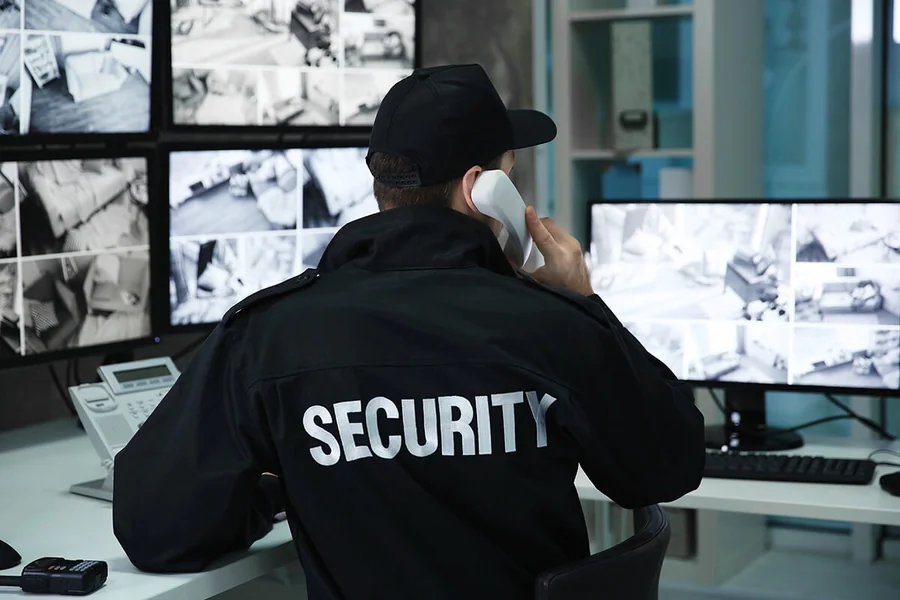
Surveillance systems bolster safety through real-time monitoring, enabling swift action on suspicious activities and improving accountability among staff members.
Customized security plans, tailored to the specific needs of different events and shaped by comprehensive risk assessments, ensure effective safety and management strategies.
How Event Security Mitigates Risks in Public Gatherings
In any public gathering, security is paramount. Large events bring unique challenges that can escalate into safety issues if not managed correctly. Thus, event security services are integral to maintaining both the event’s integrity and attendee safety. It’s about more than just maintaining order; creating an environment of enjoyment is crucial.
The Role of Trained Professionals in Emergency Situations
When faced with emergencies, those trained in security respond adeptly. Their instincts and extensive training help defuse potentially dangerous situations before they escalate. This proactive stance means having personnel ready to act quickly, whether managing crowd surges, handling disturbances, or addressing medical emergencies.
- Immediate response to safety threats
- Effective communication with local law enforcement
- Proper training in first aid and emergency protocols
With experienced professionals on-site, events become significantly safer. Team members are proactive, anticipating issues rather than reacting to them. This foresight cultivates a secure atmosphere, allowing attendees to immerse themselves in the festivities, free from worry.
Effective Crowd Management: Strategies for Success
Crowd dynamics can be unpredictable. Navigating through a sea of people calls for strategic planning. Using methods like zoned areas, clear signage, and well-trained staff ensures that organizers can effectively manage attendees.
- Establish clear entry and exit points.
- Utilize signage to direct attendees.
- Train staff to promptly defuse potential tensions.
Understanding human behavior is essential in these scenarios. Crowds often react to stimuli with either excitement or anxiety. Engaging trained professionals in crowd management leads to safer and more enjoyable experiences. They not only look out for potential threats but also facilitate the overall flow with poise.
Enhancing Attendee Experience Through Security Services
Security often gets a bad reputation, seen as a deterrent rather than a facilitator of enjoyment. However, when executed properly, security services foster a sense of safety that enhances the experience. Attendees tend to relax when they know they’re protected.
Boosting Confidence Levels with Visible Security Presence
Having security personnel nearby can significantly impact the atmosphere. A noticeable security presence deters potential troublemakers and builds confidence in guests. It’s not merely about having bodies scattered throughout the venue; creating a reassuring environment is key. The result? Higher attendance and increased satisfaction.
“A strong security presence instills confidence, encouraging more people to attend and enjoy themselves.”
Here’s how security teams can bolster attendees’ sense of safety:
- Greet attendees at entry points to create a welcoming atmosphere.
- Engage with guests, providing answers to questions and guidance as needed.
- Use surveillance to monitor areas of concern for added reassurance.
When attendees feel secure, they engage fully with the event. This connection often translates into positive experiences and valuable word-of-mouth marketing for future gatherings.
Streamlined Access Control: Keeping Lines Short and Safe
Long lines can turn enjoyment into frustration in no time. Security services play a vital role in streamlining access control, ensuring attendees can enter events swiftly. Efficient entry translates to happier guests, a crucial aspect of any successful event.
- Implement technology like digital ticketing for rapid entry.
- Differentiate access levels for VIPs versus general admission attendees.
- Employ trained personnel to manage lines, ensuring everyone knows what to do.
When attendees experience quick access, it sets a positive tone for the entire event. Simply put: less waiting equals more enjoyment.
Using Technology for Superior Event Security
Technology has dramatically changed how security is executed at events. Professionals investing in modern event security services can significantly enhance safety while improving operational efficiency. Technology can be more than just a tool; it can fundamentally change the game.
The Impact of Surveillance Systems on Safety
Surveillance cameras provide constant monitoring of the event space. In crowded scenarios, having “eyes in the sky” can deter incidents before they happen. Any suspicious activity observed on camera can prompt immediate intervention.
“Surveillance is not just about recording; it’s about proactive safety and security.”
The advantages of robust surveillance systems include:
- Real-time monitoring for quick action.
- Evidence collection for investigations if incidents occur.
- Enhanced accountability among personnel.
With such technology in place, security teams are empowered to act decisively. Combining human intuition with tech-savvy strategies leads to a safer environment for all involved.
Real-Time Communication Tools for Event Coordination
Effective communication proves to be vital during events. Utilizing smartphones or two-way radios allows security teams to share information instantly. This capability facilitates coordination and enables rapid responses to any emerging issues.
- Monitor personnel locations for increased responsiveness.
- Communicate security concerns effectively with event organizers.
- Share updates with local authorities as necessary.
Thanks to technology, the days of delayed communication are behind us. When security teams function seamlessly, events can progress smoothly and risks can be minimized.
Building Tailored Security Plans for Diverse Events
It’s important to recognize that no two events are the same. Security needs can differ greatly between a concert and a corporate conference. Experts grasp that a one-size-fits-all method is rarely appropriate, especially when navigating the complexities of event security.
Understanding Unique Requirements for Concerts vs. Conferences
For concerts, the focus often involves crowd surfing and managing enthusiastic fans. Conversely, corporate conferences tend to emphasize confidentiality and access control pertaining to sensitive information. Each event’s security plan must be customized to reflect these unique requirements.
- Concerts necessitate staging security and crowd control strategies.
- Conferences need measures focused on VIP oversight and privacy.
- Sporting events blend strategies, highlighting emergency exits and fan behavior.
Customizing security strategies minimizes time and frustration while—the most critical aspect—ensures safety at every type of gathering. It revolves around aligning the right solutions with the right scenarios.
How Risk Assessments Shape Security Strategies
Before any event, risk assessments are indispensable. Understanding potential threats enables security teams to devise a solid game plan. Gathering data concerning the venue, expected crowd size, and even the specifics of the event itself is key to informing an effective security strategy.
- Pinpoint vulnerabilities specific to the venue.
- Review historical data on comparable past events.
- Engage local law enforcement for insights.
Security professionals heavily rely on comprehensive risk assessments to steer their strategies. This proactive approach safeguards every aspect of the event. Typically, clients enjoy smoother operations and enhanced satisfaction levels when security teams are well-prepared for potential challenges.
FAQ
What factors should be considered when choosing an event security service?
Choosing an event security service involves several key considerations. Factors such as venue size, event type, expected crowd size, and particular security requirements all play critical roles in identifying the best fit. Consultation with security professionals facilitates the effective outlining of these requirements.
How do event security services address different types of crowds?
Crowd behavior varies widely based on the event type and demographic. Security professionals assess crowd dynamics and customize their strategies accordingly. For example, high-energy environments like concerts require different approaches compared to more formal corporate events.
What role does training play in the effectiveness of event security teams?
Training forms the foundation for successful event security teams. Personnel engage in extensive preparation that encompasses conflict resolution, emergency management, and crowd behavior analysis. A well-trained team can rapidly respond to situations, significantly minimizing risks during events.
How is technology influencing the future of event security?
Technology is transforming event security, introducing innovations like drone surveillance and advanced access management systems. These advancements not only boost safety but also improve operational efficiency. The trend indicates a clear shift towards integrated and responsive security solutions.
What are the key responsibilities of event security personnel during an event?
Event security personnel carry a breadth of responsibilities, from monitoring crowd behavior to managing entries and exits, and maintaining communication with local law enforcement. Their chief aim is to ensure safety while enabling guests to fully enjoy the experience.
How do emergency protocols get established for events?
Emergency protocols develop through precise planning and risk assessment. Security teams partner with event organizers to evaluate potential hazards, formulating clear response strategies. Regular drills also refine these protocols and ensure everyone is prepared.
Can event security services adapt their plans on-the-fly during an event?
Absolutely. Veteran security teams are trained for flexibility and responsiveness. If unexpected situations surface, they can quickly adjust their strategies, maintaining both safety and enjoyment for attendees throughout the event.
What are some best practices for enhancing communication among security teams at events?
Effective communication is essential for security success. Establishing clear channels, leveraging real-time communication tools like radios or apps, and conducting regular briefings help keep all team members informed and coordinated during live events. Training in communication techniques further boosts overall effectiveness.
Leave a Reply
You must be logged in to post a comment.