
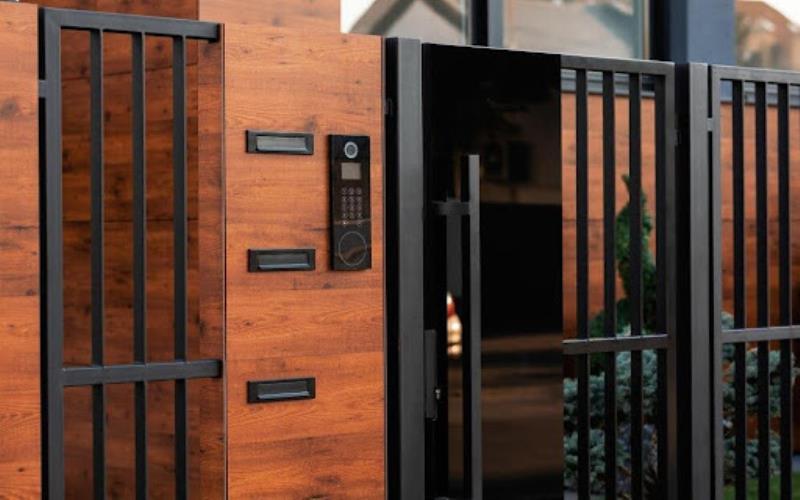
The Role of Smart Access Control Systems in Modern Residential
In today’s increasingly connected world, residential communities are evolving to meet the expectations of modern living. Homeowners and property managers alike seek greater convenience, security, and efficiency. One of the cornerstones of this evolution is the integration of smart access control systems—a technology that is rapidly redefining the way we secure and manage entry to shared residential spaces.
Whether it’s a gated neighborhood, a condo tower, or a modern apartment complex, smart access control system technologies play a crucial role in delivering peace of mind while enhancing operational control. This post explores the significance of these systems in residential settings and why they’ve become indispensable in shaping safer, smarter communities.
A Shift from Traditional Locks to Smart Access
For decades, residential properties relied on conventional lock-and-key mechanisms and front desk security. While these methods served their purpose in the past, they fall short in today’s tech-centric and security-conscious society. Lost keys, unauthorized duplications, and lack of activity tracking make traditional security systems vulnerable and outdated.
Enter the access control system—a digital solution that manages, monitors, and restricts entry to physical spaces. From door access control via keycards or mobile apps to biometric authentication and cloud-based tracking, smart access solutions offer a comprehensive way to manage entry points without sacrificing convenience or safety.
Why Residential Communities Need Smart Access Control Systems
As urbanization continues and the density of residential areas increases, managing who comes in and out becomes both more important and more complex. Smart access control system technologies help solve several critical challenges in this context:
1. Enhanced Security
At its core, the primary role of an access control system is to prevent unauthorized access. With smart credentials—such as fobs, PIN codes, or smartphone-enabled virtual keys—residents are assured that only approved individuals can enter restricted areas. Moreover, access permissions can be easily revoked or updated in real-time, which is especially useful in cases of lost credentials or changes in tenancy.
2. Convenience for Residents
Smart systems allow residents to unlock doors with their phones, remotely grant access to visitors or delivery personnel, and manage family member access—all without the hassle of managing physical keys. Integration with intercoms, smart locks, and visitor logs makes the system even more seamless.
3. Improved Visitor Management
One common issue in residential communities is how to handle guest access without compromising security. With door access control, property managers can assign time-limited digital passes or generate QR codes for guests. This adds a layer of accountability and eliminates the risks associated with lending spare keys.
4. Remote Monitoring and Management
With cloud-based access control system dashboards, property managers can monitor all entry events, detect anomalies, and receive alerts. Whether it’s reviewing logs after a reported incident or tracking entry patterns for maintenance schedules, remote access offers unmatched operational flexibility.
Key Components of a Smart Access Control System
To fully understand the impact of this technology, let’s look at the core components of a modern residential access control system:
- Authentication Devices: These include keypads, RFID readers, fingerprint scanners, and mobile app interfaces.
- Access Credentials: Digital keys, access cards, biometric data, and PINs that verify the identity of the user.
- Control Panels: These manage communication between authentication devices and the locking mechanisms.
- Cloud Management Software: This enables administrators to assign access rights, view reports, and control the system remotely.
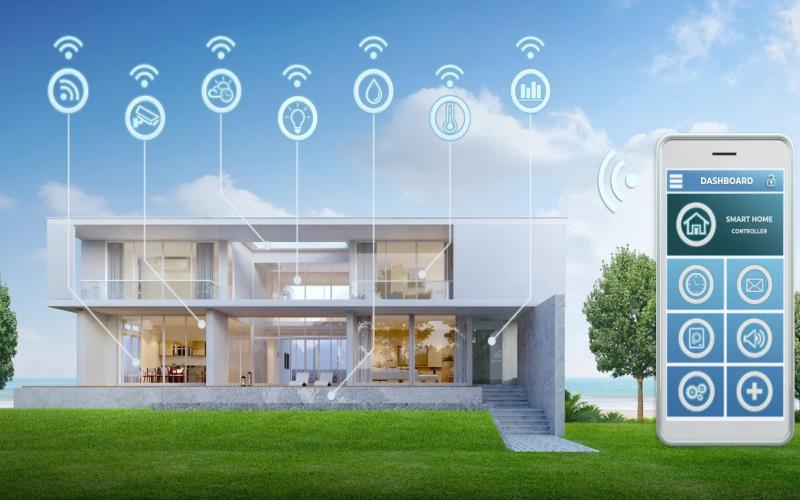
- Integration Tools: Many smart door access control systems integrate with other smart home solutions such as video surveillance, lighting, HVAC, and even emergency response systems.
Installation Considerations and Best Practices
One of the most important aspects of deploying a smart access control system is professional access control system installation. Without proper setup, even the most advanced system can fail to deliver expected outcomes. Here are some key considerations:
1. Site Assessment
Before installation, a comprehensive assessment of the property layout is essential. This includes identifying critical entry points, high-traffic areas, and vulnerable access zones.
2. Wiring and Infrastructure
While many modern systems support wireless connections, some still require structured cabling for power and data. Coordinating with electricians or building engineers ensures smooth implementation.
3. Scalability
A good access control system installation should consider future growth. Whether it’s adding new doors or integrating with additional IoT devices, the system should be flexible enough to expand with the community’s needs.
4. User Training
Residents and staff should be trained on how to use the system, from unlocking doors via mobile apps to granting guest access. The goal is to ensure smooth adoption and minimize tech-related frustrations.
5. Compliance and Privacy
It’s important to comply with local laws and privacy regulations. All data collected through the system, including video and access logs, should be encrypted and securely stored.
The Growing Trend of Mobile and Cloud-Based Solutions
The rise of smartphones and IoT has pushed door access control into a new era. Mobile-based access is not only more convenient but also offers enhanced security through two-factor authentication. Meanwhile, cloud platforms eliminate the need for bulky on-site servers and allow for real-time updates, system diagnostics, and user management.
Cloud-based access control system installation also benefits from automatic software updates, lower maintenance costs, and the ability to integrate with emergency services or security firms when needed.
Sustainability and Cost-Efficiency Benefits
Modern access control systems are not only smarter but also more energy-efficient, prompting many to ask, is smart energy cheaper when integrated into building management systems? Battery-powered wireless locks, solar-powered gate systems, and data analytics for energy usage all contribute to greener building management. Additionally, reducing the need for physical keys and security personnel results in long-term cost savings.
From a financial standpoint, an access control system installation adds value to the property and can serve as a strong selling point for prospective buyers or tenants. It also reduces liability risks and can lower insurance premiums in some regions.
Final Thoughts: A Necessity, Not a Luxury
What was once considered a luxury feature in elite condos or gated communities has now become a necessity in any modern residential setting. A well-implemented access control system enhances safety, simplifies operations, and adds value to any property.
As technology continues to evolve, we can expect future door access control solutions to incorporate AI, machine learning, and even more seamless integrations with smart home ecosystems. From facial recognition to real-time threat detection, the possibilities are vast—and promising.
For property developers, homeowners’ associations, and facility managers, now is the time to invest in this technology. With the right planning and access control system installation, residential communities can future-proof their security and meet the demands of today’s digital-savvy residents.
Leave a Reply
You must be logged in to post a comment.