
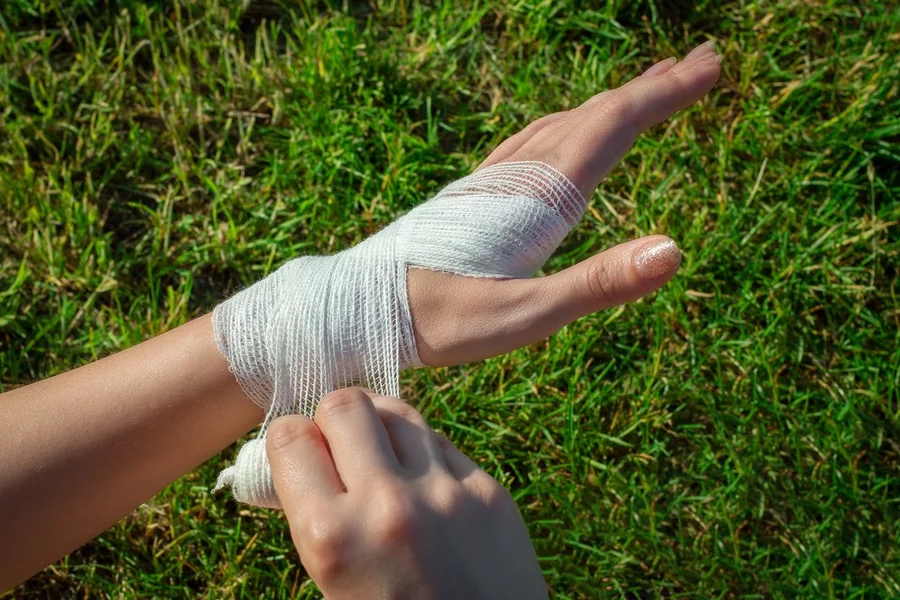
The Struggle of Losing Independence After a Wrist Injury From a Fall
A wrist does more work in daily life than most people ever notice until it stops functioning properly.
Even a simple fall can disturb this balance and create sudden limits in normal movement and comfort. The real impact is not just about pain but about how daily life begins to slow down in small but constant ways. Simple actions like holding, lifting, or turning objects no longer feel natural.
After injuries from falling on your hands, even the easiest routines feel different and harder to manage without support.
This section explores how independence shifts after a wrist injury and what makes recovery more demanding in everyday living.
Why a Wrist Injury Disrupts Normal Living
A wrist injury may look small at first glance, but it changes how a person manages almost every basic task during the day. The hand becomes limited in movement, and even simple actions like gripping a pen or opening a door become difficult without support. Most people expect quick healing, but daily routines do not wait for recovery, and this gap creates frustration and dependence.
Simple tasks like dressing, eating, or using a phone suddenly require help, which reduces confidence in everyday living. Even writing or typing becomes slower, and the person starts relying on others more than they are used to. It limits physical ability, daily planning, and work efficiency, and reduces the independence that people usually take for granted in everyday life.
How Daily Tasks Start Feeling Heavier
After a slip and fall, daily activities suddenly shift from being automatic to requiring constant attention and assistance for even small movements. Things like cooking, cleaning, and carrying items turn into challenging steps that were once done without thinking. This shift makes people realize how much independence depends on hand strength and stability in everyday routines.
Even small obstacles at home feel larger because the injured wrist limits reaction speed and balance during normal movement. Work tasks also slow down since typing, writing, or handling tools requires steady use of both hands. This change is physical and affects confidence in tasks alone, as simple routines take longer and need planning, patience, and support from others during daily functioning over time in the recovery period.
Emotional Pressure That Comes With Dependence
Losing independence after a wrist injury often brings emotional strain that is not always visible but strongly felt in everyday situations. Simple routines become reminders of limitation, and this creates frustration that builds quietly over time. People may feel discomfort relying on others for tasks they once handled with ease and speed. This emotional weight can affect focus, sleep, and overall comfort during the recovery phase.
Social interactions may also be reduced because movement challenges make outings or meetings less convenient. Even confidence in handling simple responsibilities drops, creating a feeling of dependence that takes time to adjust to. This period often becomes mentally tiring as people try to adapt to new limits while managing normal expectations at home and work. Small steps toward recovery slowly rebuild comfort and stability in daily life.
Financial and Practical Strain During Recovery
A wrist injury brings unexpected financial pressure that extends beyond medical bills and affects everyday planning. Expenses like treatment, therapy, and follow-up visits add up quickly and become a concern for many families. At the same time, missed work or reduced working hours can lower income and create additional stress. Transportation challenges also appear since using public transport, or driving, may not be easy with limited hand use.
These combined issues make recovery feel more demanding because daily life still continues despite the injury. Many people also face difficulty in managing household responsibilities, which leads to reliance on family members or hired help, and this change in routine can feel unsettling because it affects independence in both small and large ways throughout the recovery journey and requires adjustment in lifestyle habits over time during the recovery phase.
Slow Return of Strength and Movement
Recovery from a wrist injury is a gradual process that does not end when the cast is removed. Stiffness, weakness, and reduced flexibility often continue and require regular exercises to regain proper movement. Daily improvement may feel slow and uneven, but little progress builds strength over time. Simple actions like holding objects, writing, or turning handles return step by step with practice.
Support from therapy and consistent effort help restore confidence in using the hand again. However, the pace of recovery differs for each person depending on injury severity and care received. Even after basic functions return, rebuilding full strength takes time and patience in normal daily activities again.
A Return to Normal Function
A wrist injury from a fall changes more than physical ability because it reshapes how independence is experienced in daily life. What seems like a simple medical issue often turns into a long adjustment period that touches work, comfort, and routine activities after injuries from falling on your hands.
Full recovery depends not only on healing but also on regaining confidence in using the hand without hesitation. Over time, small improvements bring back independence step by step until normal movement feels natural again.
Leave a Reply
You must be logged in to post a comment.