
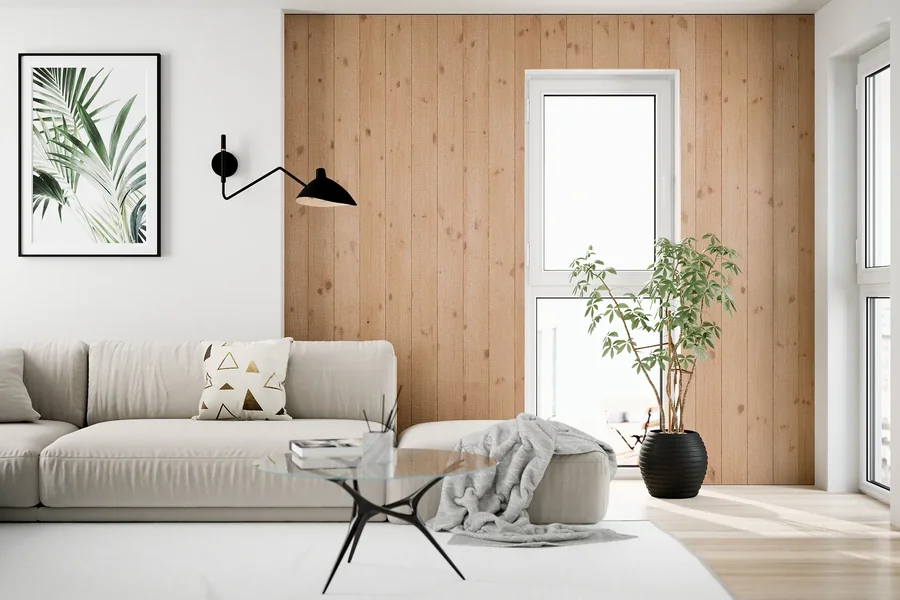
Transform Your Space with Exquisite Wood Grain Paneling: The Ultimate Guide
Wood grain paneling has a way of making a room feel finished. It adds warmth without feeling fussy, texture without clutter, and character without needing a lot of extra decor. Whether you want a cozy, cabin-like vibe or a cleaner, modern look, wood grain can do both. The key is choosing the right material, the right placement, and the right finish so it looks intentional, not like an afterthought.
This guide breaks down what makes wood grain paneling so visually strong, how to use it beyond a basic accent wall, what to know about installation and maintenance, and how to make sustainable and budget-friendly choices without sacrificing style.
The Aesthetic Appeal of Wood Grain Paneling
Wood is not just a surface. It is a natural pattern that brings movement and depth into a space. Even in a simple room, it creates visual interest that flat paint cannot replicate.
Why Wood Grain Looks and Feels Different
Every board has its own grain pattern. Those lines and knots are not random. They reflect how the tree grew, the climate it lived in, and how the wood was cut. That is why wood grain paneling can feel so alive compared to printed patterns or uniform surfaces.
It is also tactile. Real or well-made wood-look paneling adds a subtle texture that changes depending on lighting. In the morning it can look soft and calm, and at night it can feel richer and more dramatic. That shift is part of the charm.
If you are trying to make a space feel more grounded, more welcoming, or more “designed,” wood grain is a strong tool because it adds warmth without needing bold colors.
Styles That Work, From Rustic to Modern
Wood grain paneling can lean rustic, modern, traditional, or somewhere in between. The difference usually comes down to color tone, board width, and finish.
Rustic spaces often look best with deeper tones, visible knots, and a slightly matte finish. Reclaimed or distressed surfaces can bring a lived-in feel that pairs well with stone, leather, and warm lighting.
Modern spaces tend to favor lighter tones, cleaner patterns, and smooth finishes. Wide panels, vertical lines, and minimal seams can make the room feel taller and calmer. Even a small wood grain feature can soften a sharp modern space without making it look busy.
If you like a blended style, try mixing modern furniture with a warmer wood grain wall. That contrast usually looks intentional and high-end when the tones are coordinated.
Picking the Right Wood Species or Wood-Look Finish
If you are using real wood, species selection changes everything. Some woods are bold and dramatic, while others are quiet and subtle.
- Oak often has a strong, visible grain that reads classic and sturdy.
- Walnut tends to look richer and more refined, especially in darker finishes.
- Maple is typically smoother and lighter, which suits modern interiors well.
- Pine can be more casual and budget-friendly, with knots that add personality.
- Cherry deepens over time and brings a warm, traditional feel.
If you are using engineered panels or wood-look options, look closely at the grain repeat. The best products vary the pattern enough that it does not look copied and pasted across a wall.
Also consider durability. In high-traffic areas, a harder surface or a well-protected finish matters more than perfection on day one.
Smart Ways to Use Wood Grain Paneling in Your Home
Most people think of paneling as “the wall,” but the most interesting spaces use wood grain in more creative, selective ways.
Feature Walls That Actually Improve the Room
A feature wall works best when it supports the room’s natural focal point. That could be the wall behind a bed, a living room media wall, or a dining area where people naturally face one direction.
If you choose the wrong wall, the paneling can feel random. If you choose the right wall, it can make the entire space feel more cohesive.
For smaller rooms, consider lighter wood grain paneling or narrower coverage. A full dark wall can feel heavy in a tight space unless you balance it with bright lighting and lighter furniture.
Beyond Walls: Ceilings, Built-Ins, and Accents
Wood grain paneling looks great in unexpected places:
- Ceilings: A wood ceiling can instantly make a room feel warmer and more intentional. It works especially well in bedrooms, dens, and covered patios.
- Built-ins and niches: Paneling the back of shelves or a recessed niche adds texture without overwhelming the room.
- Entryways and hallways: A short run of paneling can add style to transitional areas that often feel ignored.
- Kitchen islands or bar fronts: Wood grain panels can soften a kitchen and create contrast with stone or tile.
These smaller applications are also a smart way to test the look if you are not ready to commit to a full wall.
Direction and Layout Tricks That Change the Feel
The orientation of wood grain paneling affects how a room reads.
Vertical lines can make ceilings feel higher. Horizontal lines can make walls feel wider. Diagonal or chevron layouts can become a statement, but they need breathing room and simpler decor.
If you want a clean look, align seams carefully and keep trim minimal. If you want something more traditional, you can frame panels with molding to create structure.
Installation: DIY or Professional?
This is where style meets reality. Installation quality matters a lot because uneven seams, inconsistent spacing, or sloppy corners will stand out immediately.
When DIY Makes Sense
DIY can be a good option if:
- The wall is relatively flat and square
- You are using a panel system designed for easier installation
- You have the tools to measure, level, cut, and secure properly
- You are patient about layout and alignment
If you go DIY, the most important step is planning the layout before you attach anything. Dry-fit your panels, decide where seams will land, and make sure you are not ending up with a thin strip at the edge that looks accidental.
When Hiring a Pro Is Worth It
Professional installation is usually worth it when:
- The wall has outlets, switches, or tricky cutouts
- You are working around fireplaces, stairs, or built-ins
- The space has humidity concerns, like basements or bathrooms
- You want a high-end finish with tight alignment and clean edges
A skilled installer will also know how to handle expansion, fastening methods, and finishing so the paneling stays flat and stable over time.
Finishing and Maintenance: Keeping It Beautiful
Wood grain paneling can last a long time, but it needs the right finish and basic care to keep it looking sharp.
Staining: Making Grain Pop Without Going Too Dark
Stain can highlight grain patterns and bring warmth to the wood. The best approach is to test stains in the actual room, because lighting changes everything. A stain that looks perfect in a store can look much darker in a low-light room.
If you are aiming for a modern look, consider lighter stains or natural finishes. If you want a moodier look, choose deeper tones but balance them with light walls, soft lighting, or lighter flooring.
Sealing: Protection That Matters in Real Life
Sealants protect wood from moisture, scratches, and fading. The right sealant depends on where the paneling is going. High-humidity areas need stronger protection, and sunny rooms benefit from finishes that help reduce UV effects.
A good finish also makes cleaning easier. Dust and smudges show more on unfinished wood than many people expect.
Simple Maintenance That Extends the Life
You do not need complicated upkeep. The basics work:
- Dust regularly with a soft cloth or duster
- Clean gently with a damp cloth and mild soap when needed
- Avoid harsh chemicals that can dull the finish
- Control humidity if the room swings between very dry and very humid
- Address scuffs early so they do not become permanent marks
If the finish starts to look tired years down the line, refinishing or re-sealing can bring it back without replacing everything.
Sustainability: Choosing Wood Grain Paneling Responsibly
Wood can be a sustainable material, but it depends on sourcing and manufacturing.
Responsible Sourcing and Certifications
If you are buying real wood, look for suppliers that provide clear sourcing information. Certifications like FSC or SFI can be useful indicators that the wood comes from responsibly managed forests.
If you are unsure, ask. A reputable supplier should be able to explain where the wood comes from and what standards they follow.
Reclaimed and Repurposed Options
Reclaimed wood is one of the easiest ways to make wood grain paneling more eco-friendly. It keeps material out of landfills and adds unique character. You cannot fake the kind of texture and history reclaimed wood brings.
If you have leftover panels from a project, repurpose them. Small pieces can become shelf backing, a headboard detail, or trim accents in other rooms. That approach stretches your budget and reduces waste.
Thinking Long-Term Instead of Short-Term
Sustainability is not only about where the wood came from. It is also about how long it will last. A well-installed, well-finished wood grain paneling project can stay relevant for decades. That longevity is part of why it is often a smarter choice than trend-based materials that need replacing in a few years.
Budgeting for Wood Grain Paneling Without Regret
Costs vary widely depending on material, finish, and labor. Planning the budget well keeps the project from feeling stressful halfway through.
Where Costs Come From
Your main cost drivers are:
- Material type (solid wood, veneer, engineered, wood-look panels)
- Species or finish quality
- Wall prep and repair
- Installation complexity
- Trim, adhesives, fasteners, and finishing supplies
Also factor in delivery and waste. Paneling projects usually need extra material for cuts and mistakes.
Balancing Quality and Affordability
If your budget is tight, consider using wood grain paneling strategically instead of everywhere. One strong feature wall can have more impact than covering an entire room with a cheaper product.
Engineered panels can also offer a good middle ground. You can get the look without paying for premium hardwood across large areas.
Financing Options That Some Homeowners Use
If you are doing a bigger renovation, some people use personal loans, home equity options, or promotional financing through home improvement retailers. The smartest approach is to finance only what you can comfortably manage and prioritize the parts of the project that add lasting value, like quality installation and a durable finish.
Final Thoughts
Wood grain paneling is one of the rare design choices that can feel both classic and current. It adds warmth, depth, and a sense of craftsmanship that makes a space feel more complete.
If you choose the right tone, apply it in the right places, and finish it well, wood grain paneling becomes more than decor. It becomes part of how the room feels every day, and that is what makes it worth doing right.
Leave a Reply
You must be logged in to post a comment.