
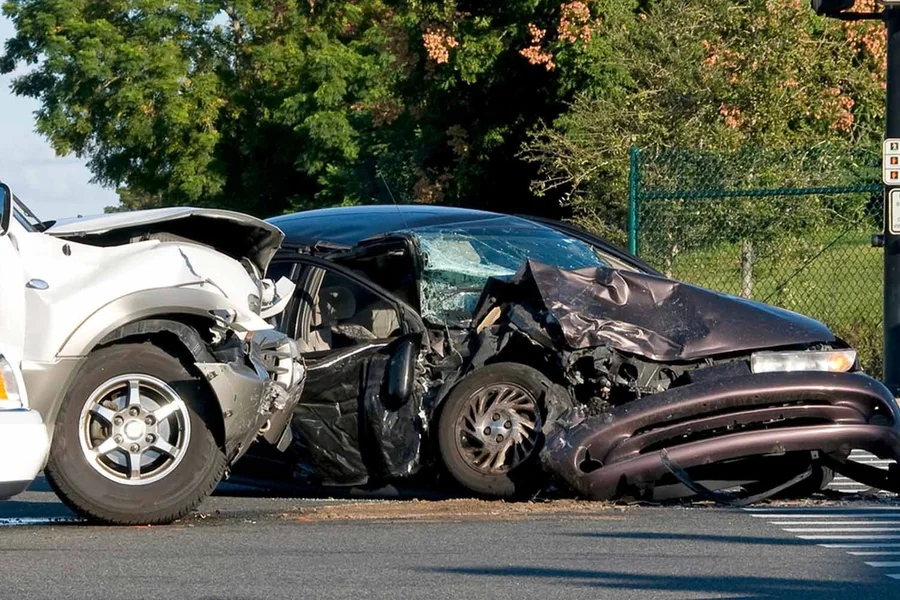
What If the At-Fault Driver Died Too? Can You Still Sue?
Accidents involving fatalities are tragic, and they can leave surviving victims with numerous questions about their legal options. One of the most complex scenarios is when the at-fault driver in a crash also dies. In such cases, many people wonder: Can you still pursue legal action for damages or a wrongful death claim? The answer is yes—under certain circumstances, surviving victims or their families can still seek compensation. A skilled Minneapolis wrongful death attorney can help you navigate the complexities of these types of claims, even when the responsible party is deceased.
Suing a Deceased At-Fault Driver: How Does It Work?
When the at-fault driver dies in an accident, you cannot sue them personally. However, the legal responsibility for their actions doesn’t vanish. Instead, any lawsuit or claim for damages would typically be brought against the deceased person’s estate. This process involves filing a claim in probate court and working with the personal representative or executor of the estate.
For example, if the at-fault driver had auto insurance, the insurer might still be liable for covering damages, such as medical expenses, lost wages, and pain and suffering. In some cases, additional claims might be made directly against the estate for any remaining damages not covered by insurance.
Understanding the Role of the At-Fault Driver’s Estate
An estate is a legal entity created after someone dies. It encompasses all the assets, liabilities, and legal obligations they left behind. If you’re pursuing compensation, your attorney will help you file a claim against the estate in civil court.
This is where legal guidance becomes critical. A qualified attorney will determine whether the estate has the financial ability to cover your damages, which could include:
- Funeral costs for a lost loved one
- Medical treatment and rehabilitation
- Loss of companionship or consortium
- Loss of income and future financial support
The timeline for filing these claims can be tight. Minnesota’s statute of limitations for wrongful death claims is generally three years, but certain estate matters can affect deadlines. That’s why acting quickly is essential.
Insurance Coverage After the At-Fault Driver’s Death

Even if the at-fault driver has passed away, their insurance policy typically remains in effect for the purpose of covering damages related to the accident. This is particularly important in cases of wrongful death, where compensation can reach substantial amounts.
Insurance companies may still attempt to minimize payouts or deny claims altogether. They may argue comparative negligence, question the medical evidence, or challenge the connection between the accident and your damages. A tenacious Minneapolis wrongful death attorney can negotiate aggressively on your behalf and ensure your rights are fully protected.
According to the Insurance Information Institute,it is not uncommon for claims to be filed against deceased policyholders. Insurers are contractually obligated to honor valid claims, as long as the policy was active at the time of the crash.
What If the At-Fault Driver Had No Insurance?
If the at-fault driver was uninsured at the time of the crash, things become more challenging—but not impossible. You may be able to:
- File a claim with your own uninsured motorist coverage
- File a lawsuit against the deceased’s estate
- Pursue compensation from third parties, if applicable (such as a vehicle owner or employer)
Sometimes, a driver was using someone else’s vehicle at the time of the crash. If so, the vehicle owner’s insurance may provide coverage. If the driver was working at the time, their employer may share liability, which opens the door to filing a broader personal injury or wrongful death claim.
Each case is unique, and only a thorough investigation can reveal all possible avenues for recovery. This is why having experienced legal counsel matters.
How Comparative Fault Affects Your Case
Minnesota follows a modified comparative fault rule. This means if the deceased at-fault driver was more than 50% responsible for the accident, you can still recover damages. However, your compensation may be reduced if you are found partially at fault.
For instance, if your damages total $500,000 and you are deemed 20% at fault, you would be eligible to receive $400,000. Establishing fault accurately often requires accident reconstruction, eyewitness testimony, and expert analysis—all of which a capable attorney can coordinate.
Understanding the impact of comparative fault is crucial for plaintiffs in wrongful death or personal injury lawsuits, especially in multi-vehicle or disputed liability situations.
When the Victim Is Also a Family Member
In some tragic cases, the person suing may be a surviving relative of someone killed in the crash, and the at-fault deceased driver could also be a relative or acquaintance. This can create additional emotional and legal complications.
Wrongful death claims can be filed by immediate family members, such as spouses, children, or parents of the deceased victim. The court may appoint a trustee to oversee the claim on behalf of all beneficiaries. A Minneapolis wrongful death attorney can manage sensitive family dynamics while ensuring that financial recovery is not compromised by personal conflict.
Seeking Justice and Closure
Losing a loved one is devastating. When that loss is caused by someone else’s negligence—even if that person also died in the crash—the pain can be compounded by confusion and uncertainty about what to do next. Pursuing a wrongful death claim isn’t just about money—it’s about justice, accountability, and helping your family move forward.
While suing a deceased driver adds legal complexity, it doesn’t strip away your right to seek compensation. A seasoned legal team can guide you through probate claims, insurance negotiations, and potential court proceedings, ensuring your voice is heard and your loss acknowledged.
Conclusion
Even if the at-fault driver dies in a crash, you still have the right to pursue compensation through their estate or insurance policy. These cases require careful legal strategy and compassionate representation. Don’t navigate the aftermath of a tragic accident alone—reach out to a trusted Minneapolis wrongful death attorney to explore your options and protect your rights.
Leave a Reply
You must be logged in to post a comment.