
THCA Vape Guide: What Consumers Should Know About Modern Vape Options
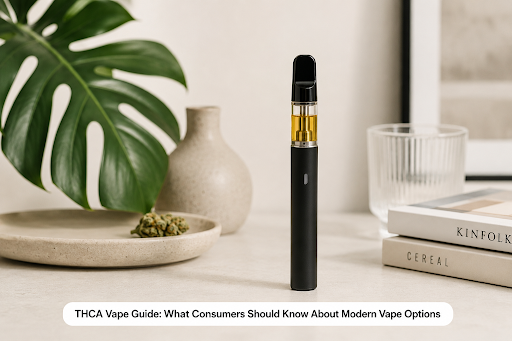
Picture yourself browsing a selection of modern vape products. There are different flavors, devices, cannabinoid concentrations and product labels, but knowing which details actually matter can be a challenge.
As tetrahydrocannabinolic acid, or THCA, gains popularity, another option is added to the world of cannabis-based products. THCA, the acidic precursor to THC, does not have the same intoxicating effects as THC in its raw form. Heat, however, can convert THCA into THC, which is especially important when considering vape products.
That’s why understanding how these products work, how they differ, and what consumers should look for before buying can help them make better decisions.
1. What a THCA Vape is
A THCA Vape is designed to deliver THCA through heated vapor, but the heating process can convert some THCA into THC.
THCA is naturally present in cannabis plants and is chemically related to delta-9 THC. Naturally occurring THCA will not get you high like THC. However, when THCA is heated enough, it can decarboxylate, or turn into THC.
Vape devices heat cannabis extracts or concentrates to produce an inhalable aerosol. That is to say, consumers shouldn’t expect a product labeled “THCA” to possess the same properties as raw cannabis.
Today, you have disposable vapes, rechargeable cartridges and other vaporizer systems to choose from. They can differ in cannabinoid concentration, ingredients, terpene content, hardware, and heating technology.
The most important thing is that the product label is only one side of the coin. It is also important to know what is inside the device and how it is designed to operate.
2. How Modern Vape Options Differ
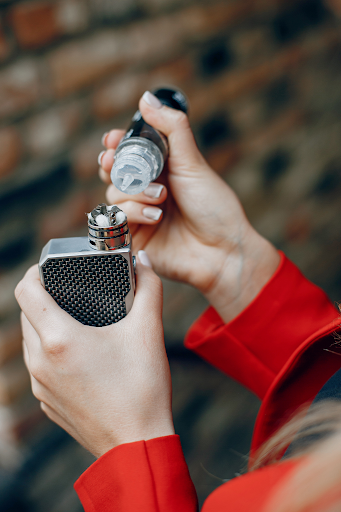
Vape products can vary widely in formulation, hardware, potency and overall design.
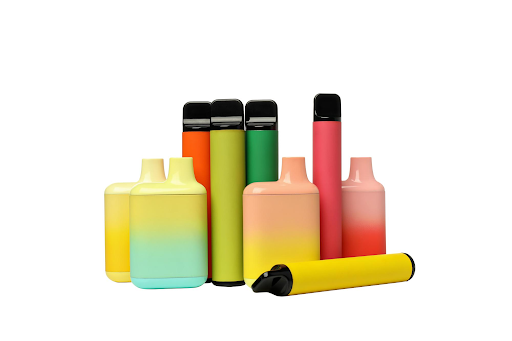
Disposable devices generally come pre-filled and are ready to use, while cartridges need a compatible battery. Rechargeable devices, on the other hand, may appeal to customers who like reusable hardware.
The extract can also vary. Some products contain mostly cannabinoid extracts, while others include terpenes or more cannabinoids. Terpenes are aromatic compounds found in cannabis and many other plants. They can also lend flavor and aroma to the product.
Potency is also something to consider. That said, more cannabinoids doesn’t automatically mean a better product. Everybody responds differently to cannabinoids, and higher potency may not be appropriate for everyone.
Hardware can also affect the experience. Battery performance, airflow, heating consistency and cartridge construction can all affect how evenly the extract vaporizes.
3. Why Vape Products Are Popular
Some consumers appreciate vaping because it is portable and convenient in comparison to other methods of consumption.
A vape device is typically small and doesn’t require the prep work associated with some traditional cannabis products. That portability can appeal to consumers who value convenience.
Vape products come in a variety of flavors and formulations. Modern producers often use different terpene profiles to create unique aromas and flavors.
But convenience does not equal safety. Inhaling vaporized substances provides direct access to the respiratory system, and the health effects of many newer cannabinoid formulations are not yet fully known.
Quality of product matters as well. Poorly made products may contain unwanted substances or contaminants, so it is important to review the manufacturing and testing information.
4. What to Check on the Label
A detailed product label can help you know what you are actually buying.
The cannabinoid profile is a good place to start. Look for information about the THCA, THC and any other cannabinoids present in the product.
The list of ingredients is equally important. It can tell you whether the product contains only cannabinoids or also includes terpenes and other ingredients.
Consumers should also check for batch information and lab test details. Reputable manufacturers may offer a certificate of analysis or COA from an independent lab.
A COA can tell you cannabinoid concentrations and whether contaminants like pesticides, heavy metals, microbial contamination or residual solvents were found, depending on the testing panel.
It is better to have a testing result specific to the batch than a general laboratory report.
5. Why Third-Party Testing Matters
Independent testing provides useful information that may help consumers judge a product’s quality and consistency.
Cannabinoid products can differ from one manufacturer to another. Without laboratory testing, consumers have no way to know whether the contents match the product label.
Testing can confirm the presence and concentration of cannabinoids and can also identify certain contaminants. That doesn’t mean a product is completely risk-free, but it does give consumers more information before they buy.
Check whether the company provides testing results and whether they match the batch being sold. Testing dates can be useful, as an old report may not reflect a newer production batch.
A company that is open about its ingredients and testing gives consumers a better opportunity to evaluate the product.
6. Understanding Terpenes and Flavors
Flavor might influence a vape’s appeal, but it shouldn’t replace attention to ingredients and testing.
Many modern vapes contain terpene profiles designed to deliver fruity, citrus, herbal, earthy, or other flavors. Some products contain terpenes from cannabis, and some contain terpenes from other plants.
Terpenes are the main contributors to aroma and flavor. This does not mean a product is necessarily higher quality because they are present.
Check the ingredient information before buying a flavored product to see what has been added to the formulation. Please note that the name of a familiar flavor tells you little to nothing about the quality or safety of the underlying product.
For inhaled products, knowing the full ingredient list is particularly important.
7. Consider Legal and Safety Issues
Laws vary by location, and consumers should know the laws of their location and consider the potential health risks of vaping before purchasing a product.
Cannabis and hemp regulations differ from one jurisdiction to another, and THCA product rules can change. Just because a product is available for purchase doesn’t mean it’s permitted everywhere to be possessed or used everywhere.
Safety is another consideration. Vaping can deliver irritants or other substances to the lungs, which can affect health. The long-term effects of inhaling many of the newer cannabinoid formulations are still being studied.
Also, store vape products responsibly, especially if you have children or pets in your home.
If you have concerns about potential interactions with medications or other personal health issues, please consult with a qualified healthcare professional before using cannabinoid products.
Making a More Informed Choice
Modern THCA vape products offer consumers more choices, but the variety also means it’s important to look beyond the packaging and flavor.
Look for the cannabinoid profile, ingredients, potency, hardware, manufacturing information, and independent lab testing. Finally, be aware that THCA can turn into THC when heated – which may alter the character of your product.
A handy device is not automatically a superior one, and a higher potency does not automatically indicate higher quality. Consumers who take the time to learn about the product and seek out available information are better positioned to make responsible purchasing decisions.