
The Quiet Fixes That Lower Your Power Use Without You Noticing
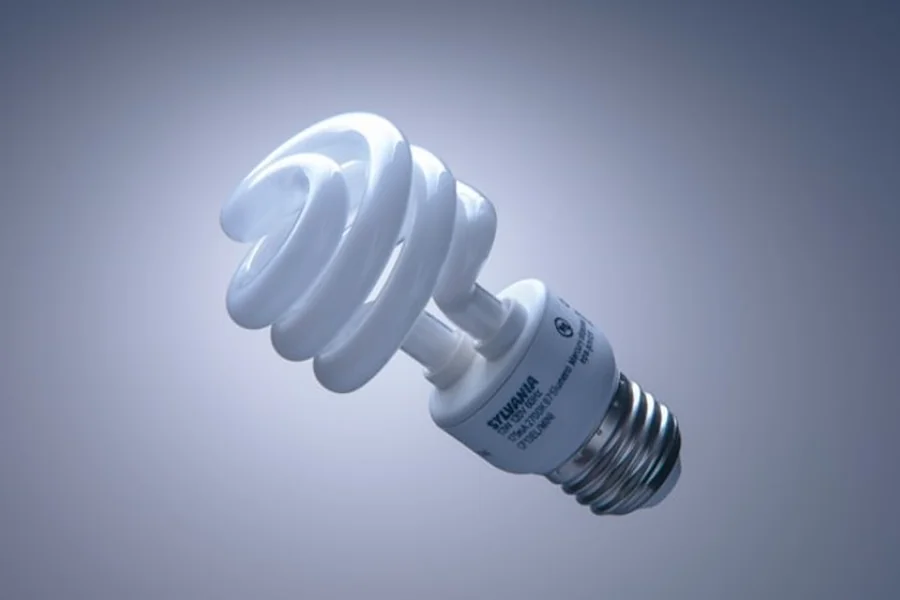
Reducing your power use doesn’t have to mean living by candlelight or giving up the devices that make life convenient. In fact, the most effective energy-saving changes are often the quietest—those little tweaks and upgrades that work in the background without disrupting your routine.
By focusing on efficiency instead of restriction, you can cut your energy bills and reduce your environmental footprint, all without noticing much of a difference in your day-to-day life.
Here are the low-effort fixes that make a big difference.
Switch to Smarter Power Sources
One of the easiest ways to reduce reliance on grid power is to incorporate alternative energy sources for small, everyday tasks. You don’t need to install a full rooftop solar array to benefit from solar energy.
For example, a solar generator can be used to charge devices, power lights, or run small appliances. It collects and stores energy from the sun, giving you access to clean electricity even when the grid is offline or overloaded.
For outdoor spaces, security lighting, or sheds, solar-powered solutions can reduce energy draw without any extra maintenance—practical insights also shared by driftwoodboatsllc.
Unplug the Invisible Energy Drains
You might not think about the energy your devices use while sitting idle, but standby power—or “vampire energy”—can account for up to 10% of a household’s electricity usage.
Common culprits include microwaves, coffee makers, TVs, routers, and gaming consoles. These devices draw power even when switched off.
Plugging them into a power strip and turning it off when not in use, or using smart plugs with schedules, can quietly save you money over time. You won’t notice a change—except on your bill.
Upgrade to Low-Flow Without Sacrificing Comfort
You may not associate water use with electricity, but heating water takes energy. That means every long shower or full sink of hot dishwater adds to your energy load.
Low-flow showerheads and faucet aerators reduce the amount of hot water you use without affecting water pressure.
Many modern models are designed to feel just as strong as traditional ones, so you’re saving energy without feeling deprived. Pair these with a well-insulated water heater to improve efficiency even further.
Rethink Your Lighting Choices
Lighting is one of the simplest areas to optimize. If you’re still using incandescent or halogen bulbs, making the switch to LEDs is a no-brainer.
LED bulbs use up to 80% less energy and last significantly longer. What’s more, they now come in a variety of tones, brightness levels, and shapes to suit any room or mood.
For even more savings, add motion sensors in hallways or outdoor areas, and make use of natural daylight during peak sun hours by opening blinds and curtains.
Seal What’s Leaking Out
Heating and cooling account for nearly half of the average home’s energy use. But much of that conditioned air escapes through poorly sealed windows, doors, and ducts.
Weatherstripping, caulking, and insulation aren’t flashy upgrades, but they’re among the most effective. These fixes keep your home’s temperature stable, so your HVAC system runs less. And because they work silently in the background, you’ll stay comfortable year-round without needing to constantly adjust the thermostat.
Let Appliances Do More with Less
Appliances have come a long way in terms of energy efficiency. If you’re using models that are 10+ years old, they’re likely drawing more power than necessary.
When it’s time to replace them, look for ENERGY STAR-rated options, which meet strict energy efficiency guidelines.
New dishwashers, washing machines, and refrigerators use sensors and smarter programming to get the job done using less water and electricity. Over time, these savings can really add up—without changing how you cook, clean, or do laundry.
Making Efficiency Feel Effortless
Lowering your power use doesn’t require a lifestyle overhaul. The best changes are often invisible: a better bulb, a sealed window, a device that turns off when you forget.
These quiet fixes work behind the scenes, helping you build a more efficient home without giving anything up.
And while the results may not be immediate or dramatic, they compound over time—leading to smaller bills, greater independence, and a more sustainable way of living. For more tips on sustainable living and smart habits, visit maryelee24.