
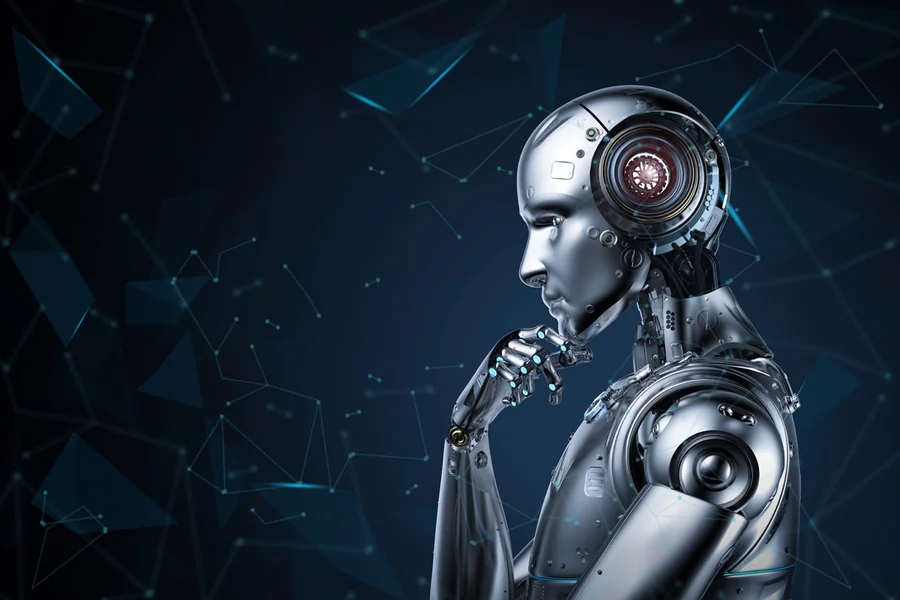
Autonomous AI Systems: The Rise of Intelligent Machines
Understanding Autonomous AI Systems
Autonomous AI systems are rapidly reshaping how technology interacts with the world. At their core, these systems are designed to operate independently, making decisions without constant human intervention. Unlike traditional software that follows strict instructions, autonomous AI can learn from data, adapt to new situations, and refine its behavior over time.
In recent years, the concept of autonomous AI systems has moved from research labs into real-world applications. From self-driving vehicles navigating complex roads to intelligent assistants managing workflows, these systems are becoming deeply embedded in everyday life. The key difference lies in their ability to perceive their environment, process information, and act accordingly with minimal oversight.
This shift represents a fundamental change in how we think about machines. Instead of being passive tools, they are evolving into active participants capable of solving problems, optimizing processes, and even anticipating future needs. As this technology matures, its influence is expected to grow across nearly every sector.
Key Technologies Powering Autonomy
The rise of autonomous AI is not driven by a single breakthrough but by the convergence of several advanced technologies. Machine learning, particularly deep learning, plays a central role. These models allow systems to recognize patterns, interpret complex data, and improve performance through experience.
Another critical component is computer vision. This enables machines to “see” and understand visual information, which is essential for applications like autonomous vehicles, drones, and surveillance systems. Combined with natural language processing, AI can also interpret and generate human language, making interactions more intuitive and seamless.
Reinforcement learning is another powerful technique that allows systems to learn through trial and error. By receiving feedback from their environment, autonomous systems can optimize their actions to achieve specific goals. This is particularly useful in dynamic and unpredictable environments where predefined rules are insufficient.
In addition to these, edge computing and cloud infrastructure provide the computational power needed to process vast amounts of data in real time. Sensors, Internet of Things (IoT) devices, and advanced robotics further enhance the capabilities of autonomous systems, enabling them to operate effectively in physical environments.
Together, these technologies form the backbone of modern autonomous AI, allowing it to move beyond simple automation toward true independence. For more information you can visit techpora.
Real-World Applications Across Industries
Autonomous AI systems are already making a significant impact across a wide range of industries. In transportation, self-driving cars and autonomous delivery robots are redefining mobility. Companies are investing heavily in these technologies to improve safety, reduce costs, and enhance efficiency.
In healthcare, autonomous AI is being used to assist in diagnostics, monitor patient conditions, and even support robotic surgeries. These systems can analyze medical data at a scale and speed that humans cannot match, leading to more accurate and timely decisions.
The manufacturing sector has also embraced autonomy through smart factories. Here, AI-powered robots can manage production lines, detect defects, and optimize workflows without constant human supervision. This leads to increased productivity and reduced downtime.
In finance, autonomous systems are used for fraud detection, algorithmic trading, and risk assessment. By continuously analyzing market data and transaction patterns, these systems can respond to changes in real time, providing a competitive edge.
Even in agriculture, autonomous AI is transforming traditional practices. Drones monitor crop health, automated tractors handle planting and harvesting, and AI systems analyze soil conditions to maximize yield. These innovations are helping farmers operate more efficiently and sustainably.
As these examples show, the adoption of autonomous systems is not limited to a single domain. Their versatility makes them valuable tools for addressing complex challenges across multiple fields.
Challenges and Ethical Considerations
Despite their potential, autonomous AI systems also raise important challenges and ethical questions. One of the most pressing concerns is accountability. When a system makes a decision independently, it can be difficult to determine who is responsible if something goes wrong.
There are also concerns about bias and fairness. AI systems learn from data, and if that data contains biases, the system may replicate or even amplify them. This can lead to unfair outcomes, particularly in sensitive areas such as hiring, lending, and law enforcement.
Privacy is another significant issue. Autonomous systems often rely on large amounts of personal data to function effectively. Ensuring that this data is collected, stored, and used responsibly is critical to maintaining public trust.
Job displacement is also a topic of ongoing debate. As machines become more capable, certain tasks traditionally performed by humans may become obsolete. While new opportunities are likely to emerge, the transition may be challenging for many workers.
Safety is perhaps the most immediate concern, especially in applications like autonomous vehicles and healthcare. Ensuring that these systems operate reliably under all conditions is essential to prevent accidents and protect human lives.
Addressing these challenges requires a combination of technical solutions, regulatory frameworks, and ethical guidelines. Collaboration between governments, industry leaders, and researchers will be crucial in shaping the future of autonomous AI.
The Future of Human-AI Collaboration
As autonomous AI systems continue to evolve, their relationship with humans will also change. Rather than replacing humans entirely, these systems are more likely to augment human capabilities. By handling repetitive or complex tasks, AI can free people to focus on creativity, strategy, and problem-solving.
This collaboration has the potential to unlock new levels of productivity and innovation. For example, in creative industries, AI can assist with content generation, design, and analysis, while humans provide direction and context. In scientific research, autonomous systems can process vast datasets, helping researchers identify patterns and make discoveries more quickly.
Education and skill development will play a key role in this transition. As the demand for new skills grows, individuals will need to adapt and learn how to work alongside intelligent systems. This includes understanding how AI works, interpreting its outputs, and making informed decisions based on its recommendations.
Trust will also be a critical factor. For humans to effectively collaborate with autonomous systems, they must have confidence in their reliability and transparency. This means developing systems that can explain their decisions and provide clear insights into their processes.
Ultimately, the future of autonomous AI is not just about technology but about how it integrates into society. By fostering a balanced relationship between humans and machines, we can harness the full potential of this transformative innovation.
Final Thought
The rise of autonomous AI systems marks a turning point in technological evolution. What began as simple automation has grown into a sophisticated network of intelligent systems capable of independent action and continuous learning.
While the opportunities are immense, so are the responsibilities. Ensuring that these systems are developed and deployed in a way that benefits society as a whole is a challenge that cannot be overlooked. It requires thoughtful design, ethical consideration, and ongoing collaboration across multiple disciplines.
As we move forward, one thing is clear: autonomous AI is not a distant concept but a present reality shaping the world around us. By understanding its capabilities and limitations, we can better prepare for a future where humans and intelligent machines work together to solve some of the most complex problems of our time.
Leave a Reply
You must be logged in to post a comment.