
The Artistry Of Faux Greenery: Modern Design Ideas For Vibrant Interiors
Why Faux Greenery Is Redefining Modern Interiors
Today’s faux greenery offers a refreshing alternative to living plants, especially for those navigating city life or demanding schedules. Through advanced materials and design techniques, artificial plants now offer highly realistic textures, varied color tones, and natural movement. These updates make faux greenery a practical, aesthetic staple in many designers’ toolkits, particularly in spaces where natural light or environmental consistency are limited. For apartment dwellers, travelers, or anyone drawn to the calming influence of nature, this shift brings the outdoors inside—minus the ongoing maintenance of traditional houseplants. When thoughtfully chosen and placed, faux greenery delivers a sense of vibrancy, comfort, and visual harmony.
Selecting Realistic Faux Plants For Contemporary Spaces
Identifying the right artificial plant starts with assessing the intended function of the piece in your home or workspace. Realism depends on nuanced details such as leaf variation, soft gradients of green, and lifelike stems or branches. Modern advancements allow for convincing imitations, with options available that rival their living counterparts. Consider the proportions of your space: sculptural, oversized plants can fill and soften large, open-concept rooms, whereas more compact or intricately detailed plants suit desks, bookshelves, or windowsills.
Many design enthusiasts find value in combining real and artificial greenery for a lush, lived-in effect that delivers reliability over seasons. Additionally, seeking out curated, high-end options from specialists—including unique selections found at fauxnatural.com—ensures lasting quality and visual appeal in areas where focal impact matters most. Premium faux greenery retains color and shape with little effort, making it an advantageous choice for busy or highly visible settings.
Styling Faux Greenery As A Focal Design Element
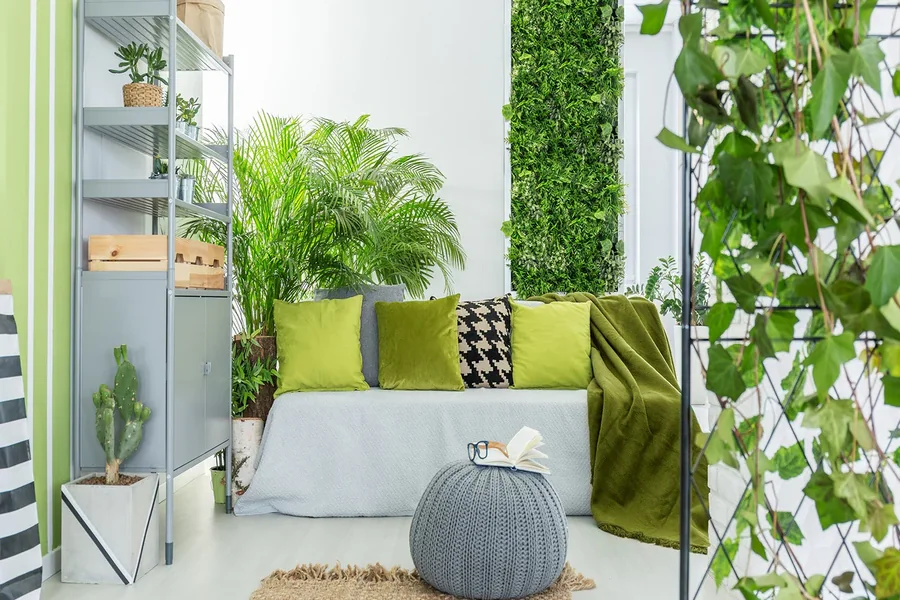
Transforming faux plants into standout features is not just about placement; it’s about treating them as sculptural accents integrated into the space’s architecture. In minimalist environments, one statement faux tree can provide a needed contrast or soften a stark corner while drawing attention upward. Creating depth by using a mix of vertical and horizontal arrangements—think wall-mounted ferns, countertop planters, and floor-standing specimens—brings a subtle sense of movement and organic layering to the room.
Styling choices further support the illusion of authenticity. Gently manipulating stems and branches for naturalistic asymmetry, or pairing greenery with complementary materials, enhances the overall impression. Some helpful strategies for elevating faux greenery within interiors include:
- Choosing ceramic, concrete, or stone planters to reflect structural materials and add substance
- Incorporating woven baskets and natural fiber rugs to foster warmth and tactile diversity
- Selecting neutral or muted textiles so greens remain the central highlight
- Adding gentle lighting to create depth and attractive shadow patterns
A cohesive approach anchors the look, ensuring greenery feels intentional rather than simply decorative.
Creative Applications For Faux Greenery In Everyday Rooms
Imaginative placement can introduce artificial plants into unexpected parts of the home. For instance, in kitchens, a slender faux garland can bring life to upper shelves while resisting the heat and moisture that challenge real plants. Bathrooms with minimal sunlight often benefit from faux ivy or cascading leaves positioned above mirrors or on alcoves, lending a peaceful, spa-like ambience. In living rooms, combining a tall statement plant beside a sofa with low-lying faux moss or succulents adds layers of visual interest.
Other possibilities involve integrating greenery directly into the architectural elements or daily routines of a space:
- Wrapping a frame of foliage around mirrors to blend reflection with nature
- Using vertical panels of greenery as gentle space dividers
- Placing small, cohesive plant groupings along hallways for a rhythmic effect
- Setting compact foliage on desks or nightstands to invite tranquility into work and rest zones
These creative uses highlight the role faux greenery can play in shaping modern design, offering enduring beauty and flexibility for interiors across the seasons.
Leave a Reply
You must be logged in to post a comment.