
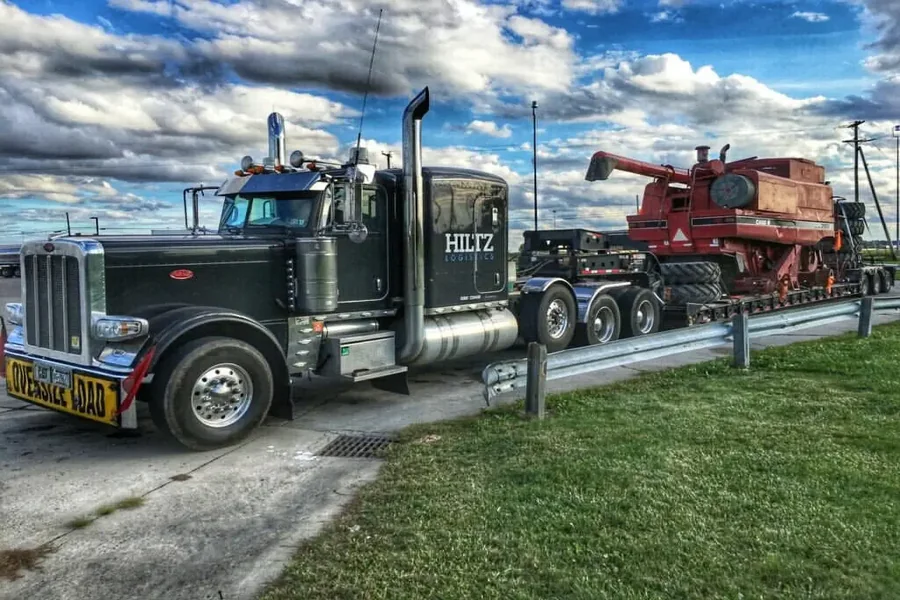
When Does a Wide Load Require a Special Permit
Most flatbed freight never raises a question about width. Then there are loads where the edge of a machine, tank or prefabricated structure sticks out beyond the trailer and somebody has to pull out a tape measure. At that point, being off by a few inches can determine whether the truck leaves as a regular commercial vehicle or waits for permit paperwork.
An obviously huge load is rarely where mistakes happen. Nobody expects a 14-foot-wide piece of equipment to travel like ordinary freight. The borderline jobs are easier to get wrong, particularly when dimensions came from an old specification sheet or were provided by a customer before the equipment was actually loaded.
Where a Regular Load Becomes a Wide Load
The number carriers see most often is 102 inches, or 8 feet 6 inches. This is the standard maximum width on the Interstate System and other qualifying highways in the National Network. A vehicle within that limit may operate without an oversize permit based on width alone.
Go beyond the applicable legal limit and the situation changes. It does not take much. Something measuring 8 feet 7 inches is barely wider to the eye, but that extra inch should not simply be ignored because the truck still fits comfortably in a traffic lane.
There is a catch, though. A carrier may travel on roads outside the National Network, and state or local rules can come into play. That becomes especially relevant around pickup and delivery points, where the route may leave major highways. Dispatchers need to look at the roads the truck will actually use rather than treating 102 inches as a universal answer for every road in the country.
The final loaded measurement is also more useful than the width printed in a machine brochure. Buckets, tires, attachments and the way cargo sits on the deck can all affect the number that matters on the road.
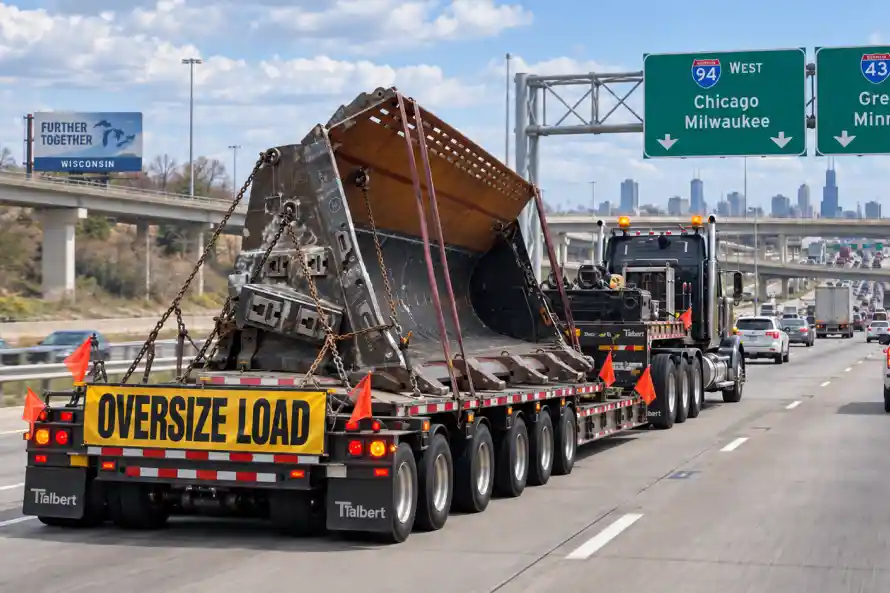
Measure the Truck That Is Actually Leaving
A fairly common problem starts with perfectly reasonable paperwork. A customer says the machine is 8 feet 5 inches wide, so dispatch plans the move as legal-width freight. The driver reaches the pickup location, loads it and gets a different measurement.
Now there is a decision to make. Leaving because the difference looks insignificant can turn a simple measurement problem into a permit problem farther down the road.
It is worth checking the complete loaded configuration before departure, especially when a shipment is close to the limit. A few things deserve a second look:
- the widest point after the cargo is secured;
- attachments, tires or components extending beyond the main body;
- actual height and overall length, not just width;
- the tractor and trailer configuration being used for the trip.
The last two matter because freight does not have to exceed only one limit. A machine that gets everyone’s attention because of its width might also end up too tall once it is sitting on the trailer. If several dimensions are over legal limits, all of them need to be reflected correctly in the permitting process.
Accurate measurements also prevent another annoying situation: getting authorization issued and then discovering at pickup that the truck does not match it. Correcting paperwork before departure costs time. Finding the discrepancy after the trip has started is worse.
A Permit Does Not Mean the Same Travel Rules Everywhere
Once a load exceeds the applicable legal width, obtaining a wide load permit is generally part of getting it on the road legally. The permit itself, however, should not be confused with unlimited permission to travel whenever and wherever the driver wants.
Width can affect the conditions of the move. As loads get wider, states may impose requirements involving signs, flags, lighting, travel periods or escort vehicles. The exact thresholds are not identical across the country.
This becomes noticeable on interstate trips. A driver can cross a state line without anything about the cargo changing, yet the rules governing that cargo may change. An escort arrangement that works in one jurisdiction should not automatically be assumed to satisfy the next one. The same goes for weekend movement and other travel restrictions.
For dispatch, that means a multi-state job is better planned from pickup to delivery before the truck rolls.Omnistar provides permit support for oversize transportation, which can be useful when a route involves several jurisdictions and separate permit requirements.
Width can also influence the route itself. An ordinary truck can often take a convenient detour when traffic backs up. A wide load may not have that freedom. Construction zones, narrow roadway sections and other restrictions can make an alternate road unsuitable even when a navigation app presents it as the fastest option.
Do Not Wait Until the Roadside to Find Out
There is no advantage in guessing when a shipment sits close to the legal limit. Measure it after loading, check the roads involved and confirm the applicable state requirements before departure. Those steps are much easier to handle in a yard than during an inspection.
For clearly oversized freight, permitting is usually built into the job from the beginning. Borderline loads deserve just as much attention because they are the ones most likely to be treated casually. A machine does not need to hang several feet over both sides of a trailer to require special authorization. Sometimes the difference between standard freight and a permitted wide load is visually unimpressive. Legally, those few inches still count.
Leave a Reply
You must be logged in to post a comment.